Islam began in the 7th century CE in the Arabian Peninsula, specifically in Mecca (modern-day Saudi Arabia). It was founded by Prophet Muhammad (peace be upon him), who is regarded by Muslims as the final messenger of God. The journey of Islam’s emergence can be summarized as follows:
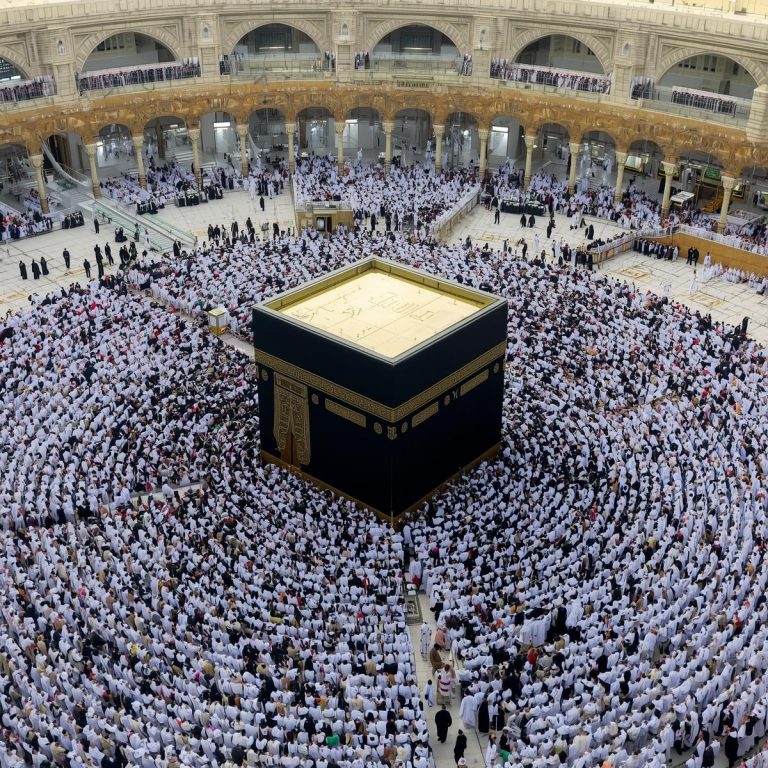
- Pre-Islamic Arabia: Before Islam, the Arabian Peninsula was characterized by tribal societies, polytheistic beliefs, and a mix of monotheistic influences from Judaism and Christianity. Mecca was a significant religious and trade hub, home to the Kaaba, which housed idols of various deities.
- The First Revelation: In 610 CE, during the month of Ramadan, Prophet Muhammad received his first divine revelation from Allah through the Angel Jibreel (Gabriel) while meditating in the Cave of Hira near Mecca. This marked the beginning of his prophethood and the revelation of the Quran.
- Early Challenges: Prophet Muhammad began preaching the message of monotheism, urging people to worship one God (Allah) and abandon idolatry. His teachings emphasized social justice, compassion, and accountability in the Hereafter. However, his message faced strong opposition from the Quraysh tribe, the ruling elite of Mecca, who saw it as a threat to their power and traditions.
- Migration to Medina (Hijra): In 622 CE, due to increasing persecution, Prophet Muhammad and his followers migrated to Yathrib (later renamed Medina). This event, known as the Hijra, marks the beginning of the Islamic calendar. In Medina, the Muslim community grew, and the city became the first Islamic state.
- Return to Mecca: After years of conflict, Prophet Muhammad and his followers returned to Mecca in 630 CE, where they peacefully took control of the city. The idols in the Kaaba were destroyed, and it was rededicated to the worship of Allah.
- Spread of Islam: By the time of Prophet Muhammad’s passing in 632 CE, Islam had spread across the Arabian Peninsula. His successors, the Caliphs, continued to expand the reach of Islam through conquests, trade, and diplomacy.
Islam’s teachings are based on the Quran, considered the word of God, and the Sunnah, the practices and sayings of Prophet Muhammad. It emphasizes the oneness of God, the importance of prayer, charity, fasting, and pilgrimage, forming the Five Pillars of Islam.
If you’d like, I can delve deeper into any specific aspect of this history or its teachings!