Femininity in Islam and the Modern World: Dignity, Strength, and Purpose
Islam does not define femininity as weakness or limitation. Instead, Islam recognises femininity as a natural quality through which women express dignity, compassion, wisdom, modesty, and strength. A woman’s appearance, marital status, career, or social position does not determine her value. Her faith, character, and relationship with Allah establish her honour.
The Qur’an teaches that Allah created men and women from a single origin. Both share the same human dignity, and Allah measures their spiritual worth through righteousness rather than gender:
“Indeed, the most noble of you in the sight of Allah is the most righteous of you.”
— Qur’an 49:13
Islam does not ask women to imitate men before society respects them. Nor does Islam define femininity according to changing fashions or commercial standards. Instead, Islam encourages women to express femininity through faith, self-respect, modesty, and moral responsibility.
Femininity and Modesty
Modesty, or hayā’, forms an important part of Islamic character. It does not erase a woman’s personality or prevent her from contributing to society. Rather, it helps her protect her dignity, value herself, and maintain healthy boundaries.
A woman demonstrates modesty through her clothing, speech, behaviour, and intentions. Modesty involves far more than appearance. A woman can remain modest while becoming confident, educated, articulate, ambitious, and active in her community.
Islam also commands men to practise modesty. Society should not place the responsibility on women alone or use modesty to excuse inappropriate behaviour by men.
Femininity and Strength
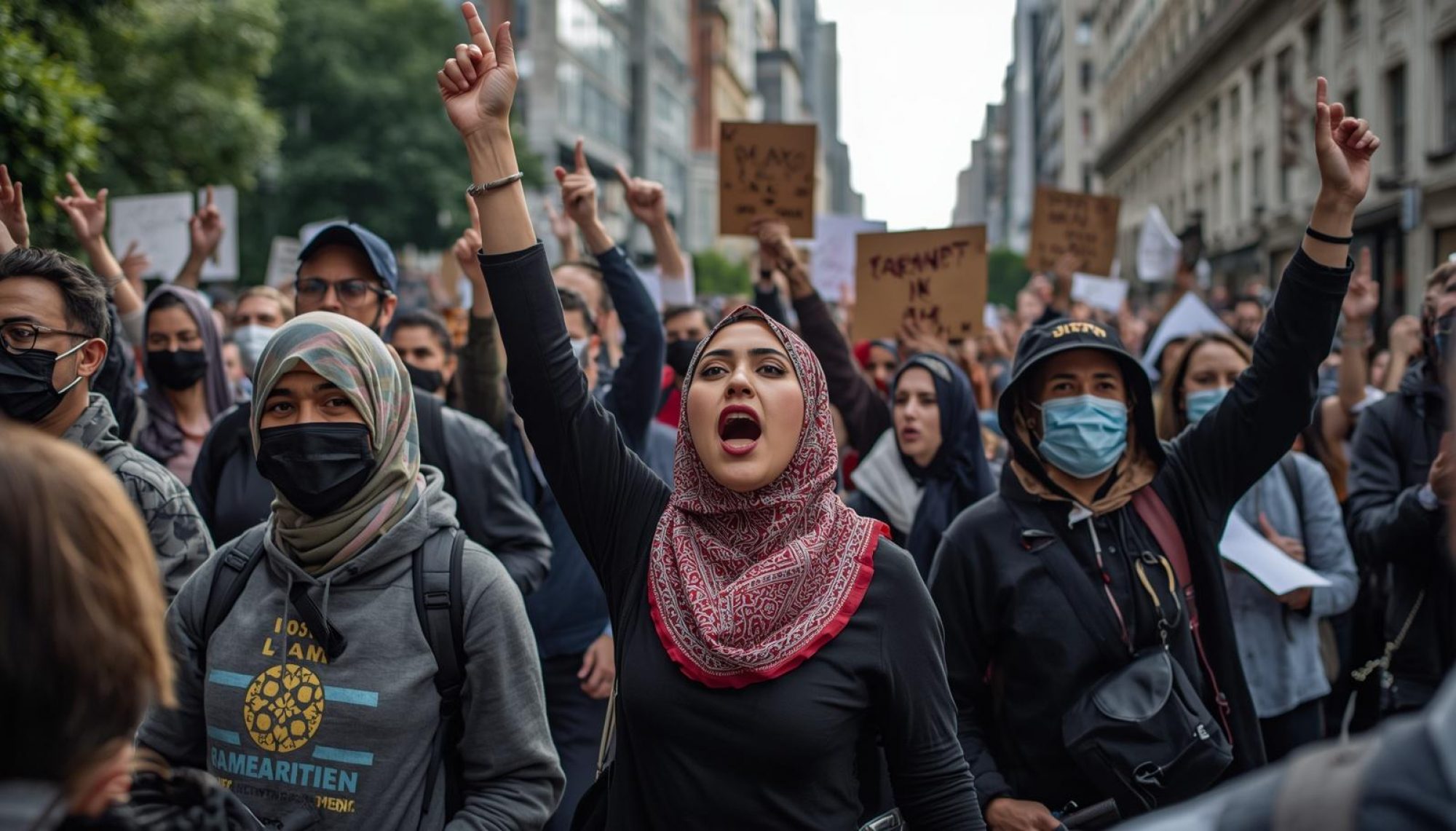
Islamic femininity does not require passivity. A woman demonstrates strength through patience, intelligence, courage, emotional awareness, and the ability to defend what is right. Throughout Islamic history, Muslim women have shown leadership, scholarship, resilience, and public responsibility.
Khadijah (may Allah be pleased with her) demonstrated intelligence, business ability, generosity, and unwavering support for the Prophet Muhammad (peace be upon him). ‘A’ishah (may Allah be pleased with her) became a distinguished scholar whose knowledge benefited both men and women. Other Muslim women contributed to education, medicine, charity, social welfare, and the preservation of Islamic knowledge.
These women prove that femininity and strength do not oppose one another. A woman can show gentleness without becoming weak, and she can show strength without abandoning her dignity.
Femininity and Compassion
Many people associate femininity with compassion, care, and emotional sensitivity. Islam honours these qualities instead of treating them as weaknesses. Mercy stands at the heart of Islam, and kindness reflects spiritual maturity.
Islam gives special honour to motherhood because mothers provide care, sacrifice, patience, and emotional support. However, motherhood does not define a woman’s entire identity. A woman may serve as a mother, daughter, wife, student, teacher, professional, community member, or caregiver while retaining her individuality and personal purpose.
Femininity and Marriage
Islam intends marriage to provide tranquillity, affection, and mercy. A woman does not become a man’s property or servant when she marries. She enters marriage with rights, responsibilities, dignity, and personal agency.
The Qur’an describes the relationship between spouses in these words:
“They are clothing for you and you are clothing for them.”
— Qur’an 2:187
This powerful metaphor expresses intimacy, protection, closeness, and mutual support. A healthy Islamic marriage requires consultation, kindness, loyalty, emotional safety, and justice.
No one should use femininity to justify oppression. Cultural expectations that demand silence, tolerate abuse, or deny women their lawful rights do not represent Islamic justice.
Femininity and Self-Respect
Islam encourages women to recognise their worth without depending on public approval. Modern culture often reduces femininity to appearance, youth, attractiveness, or consumerism. Islam offers a richer and more meaningful understanding.
Although Islam acknowledges a woman’s beauty, beauty does not define her whole identity. Her knowledge, character, faith, creativity, courage, and contributions also demonstrate her value. When society separates femininity from dignity, it turns women into products for display and consumption. When women connect femininity with faith, they gain confidence, purpose, and inner peace.
Femininity in the Modern World
Women in the modern world face complex expectations. Society often encourages them to become highly successful, financially independent, physically attractive, emotionally strong, socially active, and constantly available. These demands create considerable pressure, especially when women feel that they must fulfil every role perfectly.
Modern society often presents two conflicting images of femininity. One image expects women to appear attractive, youthful, and desirable. The other expects them to suppress vulnerability, compete constantly, and display strength in traditionally masculine ways. Both images pressure women and reduce femininity to performance.
Social media intensifies these pressures. People frequently present carefully edited images and carefully constructed lifestyles as reality. Women may compare their appearance, relationships, homes, achievements, and personal lives with unrealistic online portrayals. Such comparisons can damage confidence and create feelings of inadequacy.
Islam protects women from this constant pressure by grounding their identity in something deeper than public opinion. A woman does not depend on social-media approval, beauty standards, career achievements, or romantic attention to establish her worth. Allah values her faith, character, intentions, and actions.
The modern world also gives women valuable opportunities. Women can pursue education, develop careers, establish businesses, contribute to public life, and serve their communities. Islam does not require women to abandon their intelligence, talents, or ambitions. Instead, Islam encourages them to direct these abilities towards beneficial and ethical purposes.
A Muslim woman can study, work, lead, create, and contribute while preserving her values. She does not need to choose between religious commitment and meaningful achievement. However, she should remain aware of pressures that may encourage her to sacrifice her health, faith, family relationships, or moral principles in pursuit of success.
Modern feminism has also drawn attention to genuine concerns, including abuse, discrimination, unequal opportunities, harassment, and the exploitation of women. We must not ignore these concerns. Islam condemns injustice and commands people to protect human dignity.
However, Islamic principles may differ from some modern ideas about identity, family, relationships, sexuality, and personal freedom. Islam does not define freedom as the ability to follow every desire. Instead, Islam connects freedom with responsibility, self-control, accountability, and obedience to Allah.
True empowerment does not require a woman to reject her femininity, motherhood, modesty, or religious values. Nor does it require her to accept every social expectation placed upon women. Real empowerment allows her to make thoughtful choices while remaining guided by faith and moral conviction.
The Pressures of Modern Femininity
Women in the modern world may experience pressure from several directions:
- Society may expect women to look beautiful at all times.
- People may judge women according to their relationship status.
- Employers and communities may encourage women to place career success above everything else.
- Others may criticise women who choose motherhood as their primary responsibility.
- Some people may judge women who work outside the home.
- Society may expect women to remain emotionally strong while offering little support.
- Advertising and entertainment may pressure women to imitate cultural trends that conflict with their beliefs.
- Businesses may treat women as products through advertising, entertainment, and social media.
Islam challenges these narrow definitions. It reminds women that society cannot reduce their identity to appearance, productivity, marriage, motherhood, or public approval.
A Balanced Understanding
Islamic femininity does not mean weakness, silence, dependence, or submission to injustice. However, it also does not require women to reject compassion, family responsibilities, or emotional softness.
A balanced Muslim woman can remain compassionate without allowing others to exploit her. She can practise modesty without becoming invisible, express confidence without arrogance, and live independently without isolating herself from others.
She can participate in the modern world without allowing the modern world to define her worth. She can benefit from education, technology, professional opportunities, and social progress while remaining loyal to her faith and values.
Femininity in Islam reflects the dignity and qualities Allah has placed within women. Faith guides it, good character refines it, and modesty protects it. In a world that pressures women to become whatever society demands, Islam calls women to become people of faith, wisdom, dignity, and purpose.
A Muslim woman does not need to choose between dignity and strength, or between femininity and achievement. When she grounds her identity in Islam, she can embody all these qualities with confidence, wisdom, and purpose.