Surah Al Fatihah (The Opening)
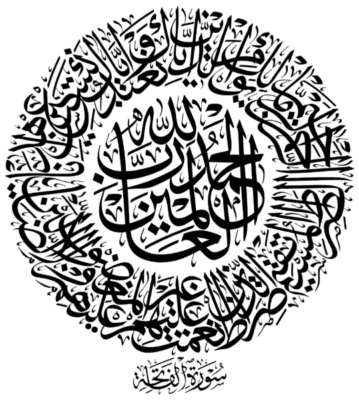
Surah Al Fatihah (The Opening)

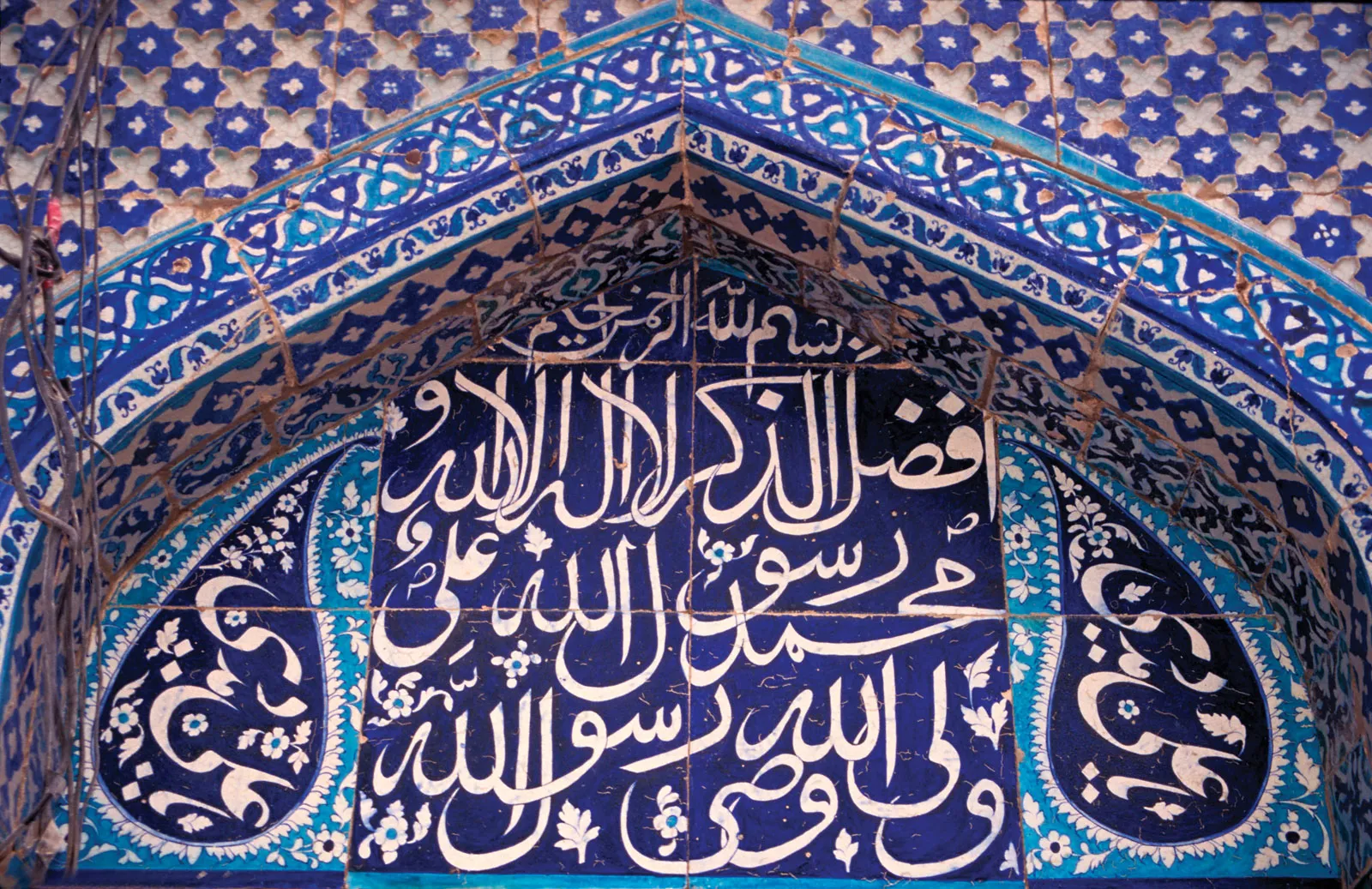
The Names of Al-Fatihah This surah is called Al-Fatihah, meaning “The Opening,” because the Qur’an begins with it and Muslims begin their prayers by reciting it. Many scholars also call it Umm al-Kitab—“the Mother of the Book.” The Prophet ﷺ described Al-Fatihah as the Mother of the Qur’an, the seven oft-repeated verses, and the Glorious…


How to Live a Life Filled with Barakah

How to Live a Life Filled with Barakah

Many people want more time, money, success, and peace. However, Islam teaches us that true fulfilment does not come from having more possessions. Instead, it comes from barakah. Barakah means that Allah places goodness, benefit, and lasting value in something. For example, a person may have limited wealth but still feel content. Similarly, they may…

The Battle of Taruk

The Battle of Taruk

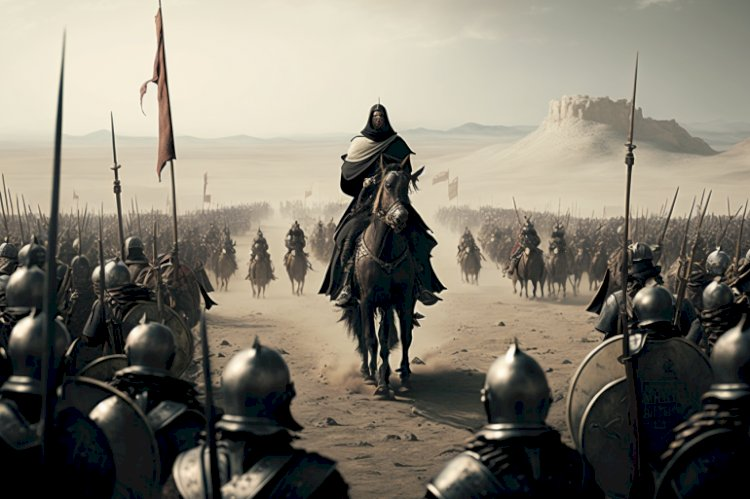
The Battle of Tabuk marked the Prophet’s final military expedition. The Muslims set out in Rajab during the ninth year after the Hijrah and travelled to the region of Tabuk. The area took its name from a tall, fortified structure that stood beside a spring on the road from Hijr to Damascus, near the Syrian…

Why You Keep Falling Into the Same Sins — And Why Allah Hasn’t Given Up on You

Why You Keep Falling Into the Same Sins — And Why Allah Hasn’t Given Up on You

There’s a moment every believer knows too well — that quiet disappointment after slipping into a sin you promised yourself you’d leave behind. You feel frustrated, guilty, maybe even spiritually exhausted. A voice inside whispers, “Why am I like this? Why can’t I stop?” But this struggle doesn’t mean you’re broken. It doesn’t mean you’re…

If You Don’t Understand How Arabs Think, You Don’t Fully Understand Arabic

If You Don’t Understand How Arabs Think, You Don’t Fully Understand Arabic

Learning Arabic is not simply a matter of memorising vocabulary, studying grammar rules, or working through verb tables. These things are important, but they are only part of the journey. You can learn hundreds of words and understand complex grammar while still feeling that Arabic is confusing, indirect, or difficult to follow. The reason is…

Al-Ghazālī on the Dangers of Knowledge Without Action

Al-Ghazālī on the Dangers of Knowledge Without Action

In the moral universe of Imam Abū Ḥāmid al-Ghazālī (d. 505 AH), knowledge is never merely neutral. It transcends the realm of abstract thought to actively shape character, direct behaviour, and ultimately serve as a witness for or against the seeker. For al-Ghazālī, what one knows either paves the path to salvation or seals one’s…