
“We will demonstrate a profound lesson: Qalibaf cautions Trump against underestimating Iran’s steadfastness once more.”
Iranian Parliament Speaker Mohammad Baqer Qalibaf stated on Sunday that the Iranian nation has demonstrated its resilience against US threats, emphasizing that the country is prepared to “teach a greater lesson” if confronted again.
Speaking to reporters upon his return from Islamabad, where he led a high-ranking Iranian delegation for talks with the United States, Qalibaf expressed gratitude to the members of the Iranian negotiating team and the reporters, whose coverage he claimed helped counter “psychological operations” from the opposing side.
In response to recent comments from US President Donald Trump, Qalibaf asserted that threats do not work with Iran. He pointed out that since the 1979 Islamic Revolution, Iran has shown it would not yield to military, economic, or political pressure.
Addressing Trump directly, Qalibaf said, “If you go to war, we will fight you. If you approach us logically, we will respond in kind. We will not bow to any threat. Test our resolve once again, and we will teach you a greater lesson.”
He reiterated that the United States could only find a “way out” by rebuilding trust with Iran, stating that Washington “owes a debt” to the Iranian people and must make amends for its past wrong actions.
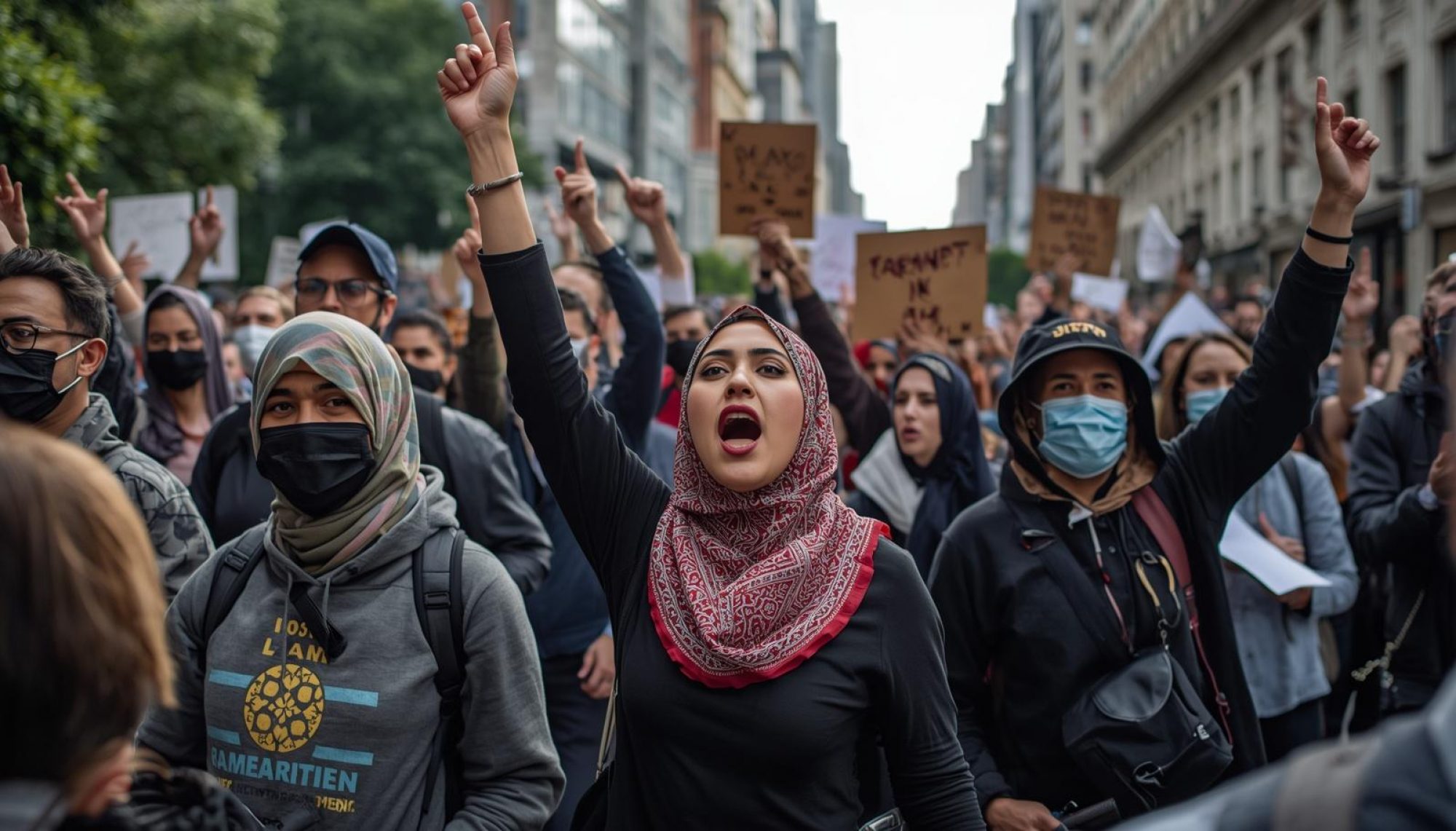
Qalibaf noted that nationwide public rallies in support of the Islamic Republic since the onset of US-Israeli aggression in late February had bolstered Iran’s position during the Pakistan-mediated talks in Islamabad. He thanked the Iranian people for their “stronger-than-before presence in the streets,” asserting that it enhanced the negotiating team’s ability to defend Iran’s national interests.
The Iranian delegation returned to Tehran after engaging in 21 hours of intense negotiations with US negotiators, led by Vice President JD Vance. Iran agreed to participate in the talks after American officials indicated they had accepted Iran’s general conditions to end the war based on a 10-point proposal Tehran had presented earlier through intermediaries.
The discussions began in Islamabad on Saturday, following Pakistan’s proposal for a two-week ceasefire to facilitate diplomacy aimed at permanently ending the war. However, the talks concluded early on Sunday without an agreement, as Iranian officials attributed the failure to “excessive demands” from the American side.
Qalibaf described the negotiations as “intense, serious, and challenging,” adding that Iranian negotiators presented several initiatives as gestures of goodwill. Nonetheless, he acknowledged that rebuilding trust with the Americans would be a “difficult and time-consuming task” due to Washington’s long history of reneging on its commitments. He cited recent examples, saying the US had attacked Iran twice over the past year amid diplomatic talks regarding Tehran’s nuclear program.
It is up to Washington, Qalibaf emphasized, to take steps to rebuild confidence and break a “77-year wall of mistrust” with Iran, noting that Iranian negotiators saw little indication of such efforts during the latest round of talks in Islamabad.
The Parliament speaker stressed that Iran would continue on its “path toward success” independently and by relying on domestic capabilities.