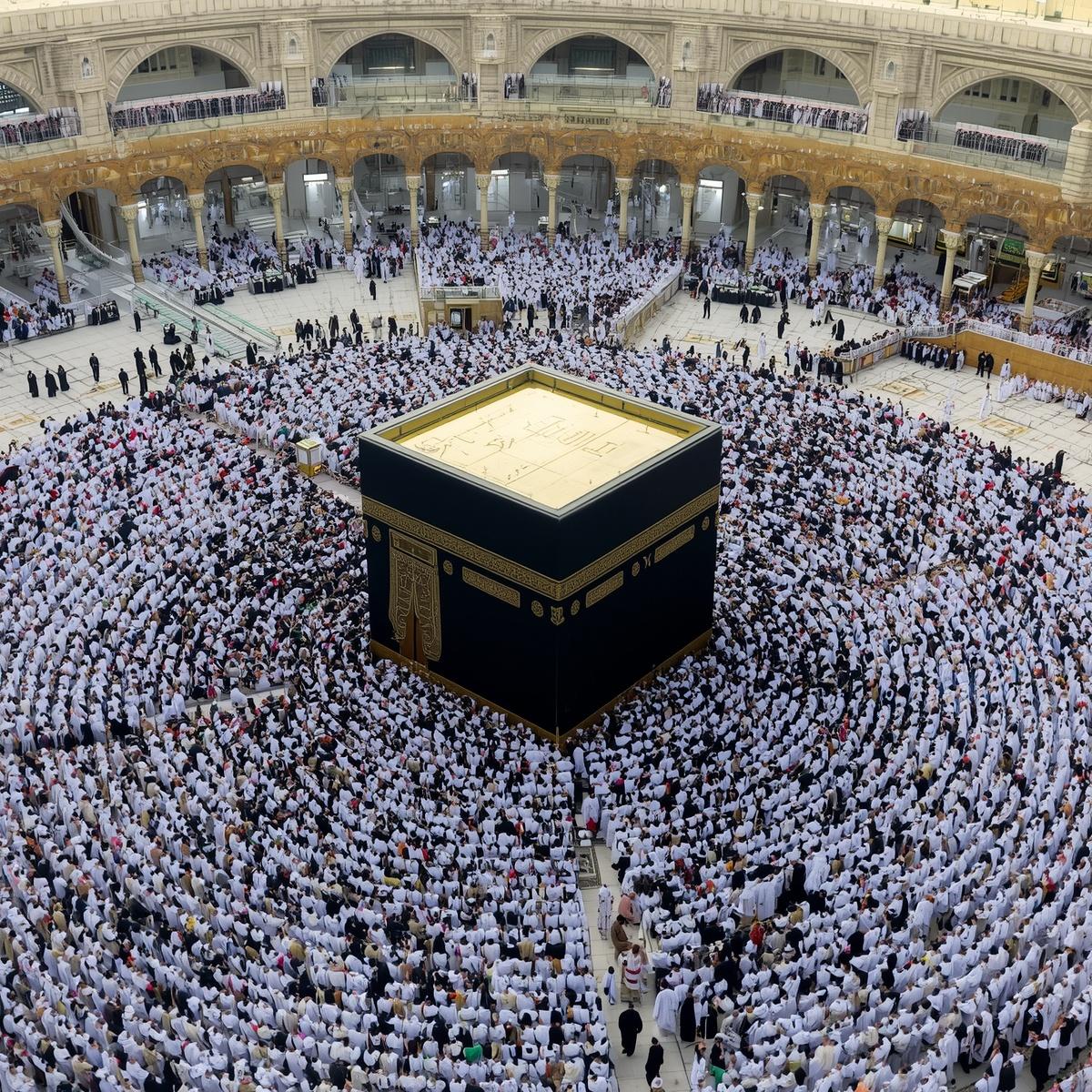
Every year, as the blessed month of Dhul Hijjah approaches, the hearts of millions of Muslims turn longingly towards Makkah. The Hajj season has arrived – a time when believers from every corner of the world answer the call of Allah, leaving behind their homes, families, and comforts to stand together in one sacred place, dressed in simple white garments, equal before their Lord.
For many, this journey is a once‑in‑a‑lifetime opportunity. It is a pillar of Islam, a powerful reminder of the Day of Judgment, and a chance to return home with a clean slate, in shaa Allah. Whether you are preparing to go yourself or simply seeking to understand this great act of worship more deeply, knowing the history and virtue of Hajj can transform the way you see it.
A Brief History of Hajj
The story of Hajj goes back thousands of years to the Prophet Ibrahim عليه السلام, his wife Hajar, and their son Isma‘il عليهم السلام. By Allah’s command, Ibrahim left Hajar and baby Isma‘il in the barren valley of Makkah, where there was no water, shade, or people. When their water ran out, Hajar ran desperately between the hills of Safa and Marwah, searching for help – an act that Allah honoured by making it a permanent part of Hajj and ‘Umrah.
In response to her trust and patience, Allah caused the well of Zamzam to gush forth at the feet of baby Isma‘il. Over time, people settled in the valley, and Makkah began to grow. Later, Ibrahim and Isma‘il were commanded to build the Kaaba, the first house established for the worship of Allah on earth, and to call people to make pilgrimage to it:
“And proclaim to the people the Hajj; they will come to you on foot and on every lean camel; they will come from every distant pass.”
[Surah Al‑Hajj 22:27]
Generations passed, and the pure worship of Allah alone was gradually mixed with idols and false practices. Then Allah sent the final Messenger, Prophet Muhammad ﷺ, who restored the Kaaba and the rites of Hajj to their original, pure form. In the 10th year after Hijrah, the Prophet ﷺ performed his only Hajj – the Farewell Hajj – and said to his Ummah, “Take your rites from me.” The way we perform Hajj today follows his noble example.
The Virtue and Rewards of Hajj
Hajj is not just a journey of the body; it is a journey of the heart. Allah chose it as one of the five pillars of Islam, and the Prophet ﷺ highlighted its immense virtue in many hadith:
- He ﷺ said about an accepted Hajj:
“The reward for an accepted Hajj (Hajj Mabrur) is nothing but Paradise.”
(Bukhari and Muslim) - He ﷺ also said:
“Whoever performs Hajj and does not commit any obscenity or wrongdoing will return (free of sin) as the day his mother gave birth to him.”
(Bukhari)
During Hajj, the believer experiences:
- Complete equality – rich and poor, famous and unknown, all wearing the same simple clothing.
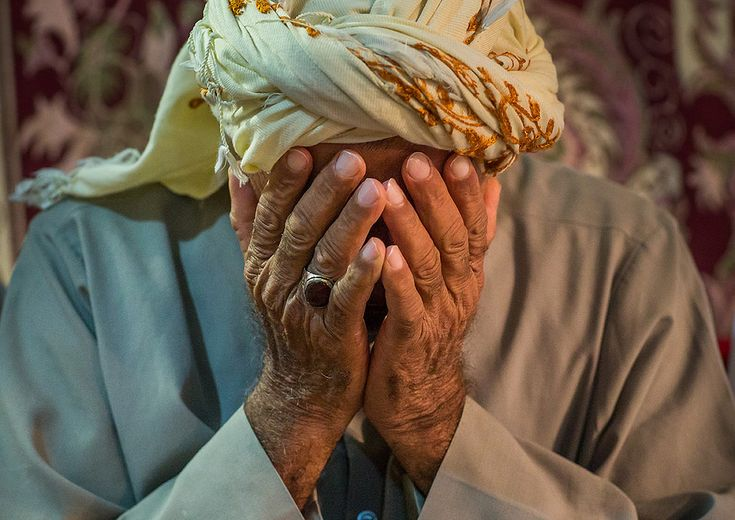
- Deep humility – standing in Arafah, raising hands in tears, begging Allah for mercy.
- Renewed faith – every step is an act of remembrance, sacrifice, and obedience.
For those whom Allah invites, Hajj becomes a turning point in life – a chance to leave behind past sins, renew intentions, and begin a new chapter closer to their Lord.
In the sections that follow, we will focus on one of the most common and accessible forms of Hajj for international pilgrims: Hajj al‑Tamattu. You’ll find a clear, step‑by‑step guide to help you understand and, in shaa Allah, perform this blessed journey with confidence and peace of mind.
Hajj al‑Tamattu is a type of Hajj in which you:
- Perform Umrah first,
- Come out of Ihram and rest,
- Then enter Ihram again for Hajj in Dhul Hijjah.
Because there is a break between Umrah and Hajj, this form is usually the easiest and most suitable for pilgrims coming from outside Saudi Arabia. It allows you to complete both Umrah and Hajj in one journey, with time to recover between the major rituals.
In this guide, you’ll learn:
- What “Tamattu” means
- How Hajj al‑Tamattu compares to other types of Hajj
- A clear, step‑by‑step walkthrough of the entire Hajj al‑Tamattu
- Common questions about Ihram, Tawaf, smoking, and the number of Tawafs
- What Does “Tamattu” Mean?
The word “Tamattu” (تَمَتُّع) in Arabic means “enjoyment” or “benefit.”
In Hajj, it refers to the “enjoyment” of coming out of Ihram between Umrah and Hajj. This break makes the journey easier:
- You perform Umrah.
- You exit Ihram and return to normal clothing and daily life.
- You later re‑enter Ihram for Hajj on the 8th of Dhul Hijjah.
This rest in between is a blessing, especially for those who are not used to the climate, distance, or crowds. For this reason, Hajj al‑Tamattu is widely recommended by many scholars and found in almost every reliable Hajj guide.
- Understanding Hajj al‑Tamattu
Hajj al‑Tamattu is one of the three main types of Hajj:
- Hajj al‑Tamattu: Umrah first, exit Ihram, then Hajj later in the same trip.
- Hajj Qiran: Umrah and Hajj together in one Ihram, without coming out in between.
- Hajj Ifrad: Only Hajj (no Umrah in the same trip).
Hajj al‑Tamattu is especially ideal for:
- Pilgrims coming from abroad (e.g., UK, US, Europe, Asia, Africa).
- Those arriving in Makkah before the official Hajj days.
- People who want time to rest after Umrah before starting the more demanding days of Hajj.
Basic idea of Hajj al‑Tamattu:
- Enter Ihram at the Miqat with the intention of Umrah.
- Arrive in Makkah, perform Tawaf and Sa‘i for Umrah.
- Shave or trim hair → exit Ihram (Umrah is complete).
- On 8th Dhul Hijjah, enter Ihram again, this time for Hajj.
- Go to Mina, Arafah, Muzdalifah, perform stoning, sacrifice, Tawaf al‑Ifadah, and finally Tawaf al‑Wada.
Many pilgrims also visit Madinah first to pray in the Prophet’s Mosque, then travel from Madinah to Makkah for Umrah and Hajj. This route is spiritually powerful and historically connected to the life of the Prophet ﷺ.
- Step‑by‑Step: How to Perform Hajj al‑Tamattu
A. Before Dhul Hijjah: Arrive and Perform Umrah
Step 1: Travel and prepare
- Travel to Saudi Arabia, usually first to Madinah or directly to Makkah.
- If you go to Madinah, spend time in worship there, then travel to Makkah.
- Learn the main rulings and duas before you arrive – use a reliable Hajj/Umrah guide.
Step 2: Enter Ihram at the Miqat (for Umrah) At the Miqat (the boundary where Ihram begins), you:
- Put on Ihram clothing:
- Men: Two unstitched white cloths (izar and rida’).
- Women: Any modest, loose clothing that fully covers the body (no niqab or gloves).
- Make intention for Umrah in your heart, e.g.:
“Labbayka Allahumma ‘Umrah” – “O Allah, here I am for Umrah.” - Start reciting Talbiyah: “Labbayka Allahumma labbayk, labbayka la sharīka laka labbayk.
Inna al‑hamda wan‑ni‘mata laka wal‑mulk, la sharīka lak.”
From this point, the rules of Ihram apply.
Important: Prohibited acts in Ihram While in Ihram, you must avoid:
- Cutting hair or nails.
- Using perfume or scented products.
- Sexual relations or anything leading to it.
- Hunting animals.
- Fighting, arguing, or foul language.
- Men wearing stitched, fitted clothing (shirts, trousers, etc.).
Smoking is strongly discouraged at all times and goes against the spirit of purity and obedience, especially in Ihram.
Step 3: Arrive in Makkah and perform Tawaf (for Umrah) When you reach Masjid al‑Haram:
- Enter with your right foot and say the dua for entering a mosque.
- Head towards the Kaaba. When you see it, raise your hands, praise Allah, and make heartfelt dua.
- Begin Tawaf (7 rounds around the Kaaba):
- Start at the Black Stone (Hajar al‑Aswad).
- Say “Bismillahi Allahu Akbar” and either:
- Kiss it (if possible without pushing), or
- Touch it then kiss your hand, or
- Point towards it from a distance.
- Walk counter‑clockwise, keeping the Kaaba on your left.
- Complete 7 full circuits, each starting and ending at the Black Stone.
- Make dua, dhikr, and recite Quran as you walk. There is no fixed dua for each round; talk to Allah from your heart.
- After 7 rounds, pray 2 rak‘ahs behind Maqam Ibrahim (or anywhere in the mosque if crowded).
- Drink Zamzam water, make dua.
Step 4: Perform Sa‘i between Safa and Marwah (for Umrah)
- Go to the hill of Safa.
- Face the Kaaba, raise your hands, praise Allah, and make dua.
- Walk from Safa to Marwah, then Marwah back to Safa.
- This counts as 2 laps. You need 7 laps in total (starting at Safa, ending at Marwah).
- Men walk briskly (jog lightly) between the green lights; women walk normally.
Step 5: Cut hair and exit Ihram (end of Umrah)
- Men: Shave the head completely (halq) or trim all around (taqsir). Shaving is better.
- Women: Trim a small amount (about a fingertip length) from the end of their hair.
After this, you exit Ihram completely:
- You can wear normal clothes.
- All Ihram restrictions are lifted.
Your Umrah is now complete. You remain in Makkah as a normal resident or visitor until the 8th of Dhul Hijjah.
B. The Days of Hajj (Dhul Hijjah)
Day 1 – 8th Dhul Hijjah (Yawm at‑Tarwiyah)
Step 6: Enter Ihram again – this time for Hajj
- From your hotel in Makkah (or wherever you are), put on Ihram again.
- Make intention:
“Labbayka Allahumma Hajjan” – “O Allah, here I am for Hajj.” - Recite Talbiyah frequently.
Step 7: Travel to Mina and stay overnight
- Go to Mina, a tent city about 8 km from the Kaaba.
- Pray Dhuhr, ‘Asr, Maghrib, ‘Isha and Fajr there:
- Each prayer is prayed at its time.
- Dhuhr, ‘Asr, and ‘Isha are shortened to 2 rak‘ahs (but not combined).
- Spend the night in Mina in worship, dhikr, Quran, and dua.
- Prepare mentally and spiritually for the next day – the Day of Arafah, the most important day of Hajj.
Day 2 – 9th Dhul Hijjah (Day of Arafah)
The Prophet ﷺ said: “Hajj is Arafah.” If a person misses standing in Arafah, their Hajj is not valid.
Step 8: Go from Mina to Arafah
- After Fajr in Mina, travel to the plain of Arafah.
- Stay within the boundaries of Arafah until sunset.
Step 9: Wuquf (Standing) at Arafah Between Dhuhr and Maghrib:
- Listen to the khutbah if you are near Masjid Namirah.
- Pray Dhuhr and ‘Asr combined and shortened (2 rak‘ahs each) at the time of Dhuhr.
- Spend the afternoon in dua, tears, and reflection.
- Raise your hands.
- Admit your sins.
- Ask for forgiveness, guidance, and Jannah.
- Make dua for yourself, your family, and the whole Ummah.
There is no special formal ritual except being in Arafah with sincere dua.
Step 10: After sunset, leave for Muzdalifah
- Do not pray Maghrib in Arafah.
- Travel to Muzdalifah.
- On arrival, pray Maghrib and ‘Isha combined (Maghrib 3 rak‘ahs, ‘Isha 2 rak‘ahs).
Step 11: Spend the night in Muzdalifah and collect pebbles
- Sleep in Muzdalifah under the open sky if possible.
- After Fajr prayer, make dua and remembrance.
- Collect small stones (about chickpea size) for stoning the Jamarat in Mina.
- You’ll need at least 49 pebbles (and up to 70 if staying until the 13th).
Day 3 – 10th Dhul Hijjah (Eid al‑Adha / Yawm an‑Nahr)
This day includes several important rites:
Step 12: Return to Mina and stone Jamarat al‑‘Aqabah
- Go to Mina in the morning.
- Go to the largest pillar, called Jamarat al‑‘Aqabah.
- Throw 7 pebbles, one by one, saying “Allahu Akbar” with each throw.
- This act symbolises rejecting Shaytan, following the example of Prophet Ibrahim عليه السلام.
Step 13: Offer the sacrifice (Hady / Qurbani)
- For Hajj al‑Tamattu, sacrifice is obligatory.
- Usually, your Hajj group or agency arranges the slaughter on your behalf.
- The meat is distributed to the poor.
Step 14: Shaving or trimming the hair (Halq / Taqsir)
- Men: Preferably shave the head, or at least trim all around.
- Women: Trim a small amount from the ends of their hair.
After stoning, sacrifice, and shaving/trimming, you come out of most of the restrictions of Ihram (this is partial exit). Normal clothes may be worn, but marital relations are still not allowed until after Tawaf al‑Ifadah.
Step 15: Tawaf al‑Ifadah and Sa‘i for Hajj
- Travel to Makkah from Mina.
- Perform Tawaf al‑Ifadah (also called Tawaf az‑Ziyarah):
- 7 rounds around the Kaaba, as you did for Umrah.
- Pray 2 rak‘ahs after Tawaf.
- Then perform Sa‘i between Safa and Marwah (if not already done specifically for Hajj under valid scholarly opinion in your group’s method).
After Tawaf al‑Ifadah and Sa‘i:
- All Ihram restrictions are lifted.
- Marital relations now become allowed.
You may then return to Mina to spend the night.
Day 4 – 11th Dhul Hijjah
Step 16: Stoning all three Jamarat
- After Dhuhr time, go to the Jamarat area.
- Stone each pillar in order:
- Small Jamarah (al‑Sughra)
- Middle Jamarah (al‑Wusta)
- Large Jamarah (al‑‘Aqabah)
- At each pillar:
- Throw 7 pebbles, one by one.
- Say “Allahu Akbar” with each pebble.
- After stoning the small and middle Jamarat, move aside and make dua.
Step 17: Spend the night in Mina
- Return to your tent in Mina.
- Spend the night in worship, dhikr, Quran, and rest.
Staying in Mina during these nights is part of the Hajj obligations.
Day 5 – 12th Dhul Hijjah
Step 18: Second day of stoning all three Jamarat
- Repeat the same stoning process as the previous day:
- Small Jamarah → 7 pebbles.
- Middle Jamarah → 7 pebbles.
- Large Jamarah → 7 pebbles.
Step 19: Option to leave Mina (Nafr al‑Awwal)
- After stoning and before sunset:
- You may leave Mina and return to your accommodation in Makkah.
- If you choose to leave on the 12th, you do not stone on the 13th.
- If you stay in Mina past sunset, you must complete stoning again on the 13th.
Day 6 – 13th Dhul Hijjah (Optional)
Step 20: Final day of stoning (for those who remain in Mina)
- Repeat stoning of all three Jamarat again, just like on the 11th and 12th.
- After finishing, you may leave Mina for good and return to Makkah.
Your main Hajj rituals are now complete. One essential act remains before you depart Makkah.
- Final Ritual: Tawaf al‑Wada (Farewell Tawaf)
Before leaving Makkah:
Step 21: Perform Tawaf al‑Wada
- This is the farewell Tawaf, done as the last act in Makkah.
- Perform 7 rounds around the Kaaba.
- There is no Sa‘i after this Tawaf, unless you missed a required Sa‘i earlier.
- Do not plan shopping or outings after this Tawaf. It should be the final ritual before you depart.
Who is exempt?
- Women who are menstruating at the time of departure are excused from Tawaf al‑Wada, based on authentic hadith.
After Tawaf al‑Wada:
- Pray 2 rak‘ahs.
- Make heartfelt dua – for acceptance of your Hajj, forgiveness, guidance, and a blessed return home.
A simple, sincere dua you can say:
“O Allah, accept my Hajj. Forgive me and my family. Allow me to return home purified, and bring me back to this House again if it is good for me.”
Your Hajj al‑Tamattu is now complete, by the permission of Allah.
- Frequently Asked Questions about Hajj al‑Tamattu
Q1: When do I wear Ihram for Hajj al‑Tamattu?
- First Ihram: At the Miqat, with intention for Umrah.
- Second Ihram: On 8th Dhul Hijjah, from your place in Makkah, with intention for Hajj.
Q2: Can I smoke in Ihram?
- Smoking is strongly discouraged at all times and completely goes against the spirit of Hajj and Ihram.
- It harms your health and the people around you, and contradicts the idea of purification and self‑control.
Q3: How many Tawafs are there in Hajj al‑Tamattu? Typically:
- Tawaf for Umrah.
- Tawaf al‑Ifadah (main Tawaf of Hajj).
- Tawaf al‑Wada (farewell Tawaf) before leaving Makkah.
Q4: What are the types of Hajj?
- Hajj al‑Tamattu: Umrah + Hajj with a break in between.
- Hajj Qiran: Umrah and Hajj together in one Ihram, without coming out.
- Hajj Ifrad: Only Hajj, no Umrah in the same journey.
Q5: How does Hajj Qiran differ from Hajj al‑Tamattu?
- In Qiran:
- You make intention for Umrah and Hajj together.
- You do not exit Ihram after Umrah.
- You stay in Ihram until you finish the Hajj days.
- In Tamattu:
- You do Umrah first, exit Ihram, rest.
- Then re‑enter Ihram for Hajj.
- In both Tamattu and Qiran, sacrifice (hady) is obligatory.
Q6: What is a person called after completing Hajj al‑Tamattu?
- A Muslim who completes any valid Hajj – including Hajj al‑Tamattu – is often given the respectful title “Hajji.”
- More importantly, they are someone who has fulfilled one of the pillars of Islam, and who, if accepted, returns as pure as the day they were born.
- Summary: Hajj al‑Tamattu in Simple Steps
- Miqat – Enter Ihram for Umrah, recite Talbiyah.
- Makkah – Perform Tawaf and Sa‘i for Umrah.
- Cut/shave hair – Exit Ihram (Umrah complete).
- 8th Dhul Hijjah – Enter Ihram for Hajj, travel to Mina.
- 9th Dhul Hijjah – Go to Arafah (standing), then to Muzdalifah at night.
- 10th Dhul Hijjah – Stone Jamarat al‑‘Aqabah, sacrifice, cut/shave hair, Tawaf al‑Ifadah, and Sa‘i.
- 11th–12th (and 13th if staying) – Stone all three Jamarat each day, stay in Mina at night.
- Before leaving Makkah – Perform Tawaf al‑Wada.
Hajj reminds us of the Day of Judgment: we stand in simple clothing, humbled before Allah, with nothing but our deeds. It teaches equality, patience, sacrifice, and complete trust in our Lord.
May Allah accept your Hajj al‑Tamattu, forgive your sins, and fill your heart with light, sincerity, and steadfastness after you return home.