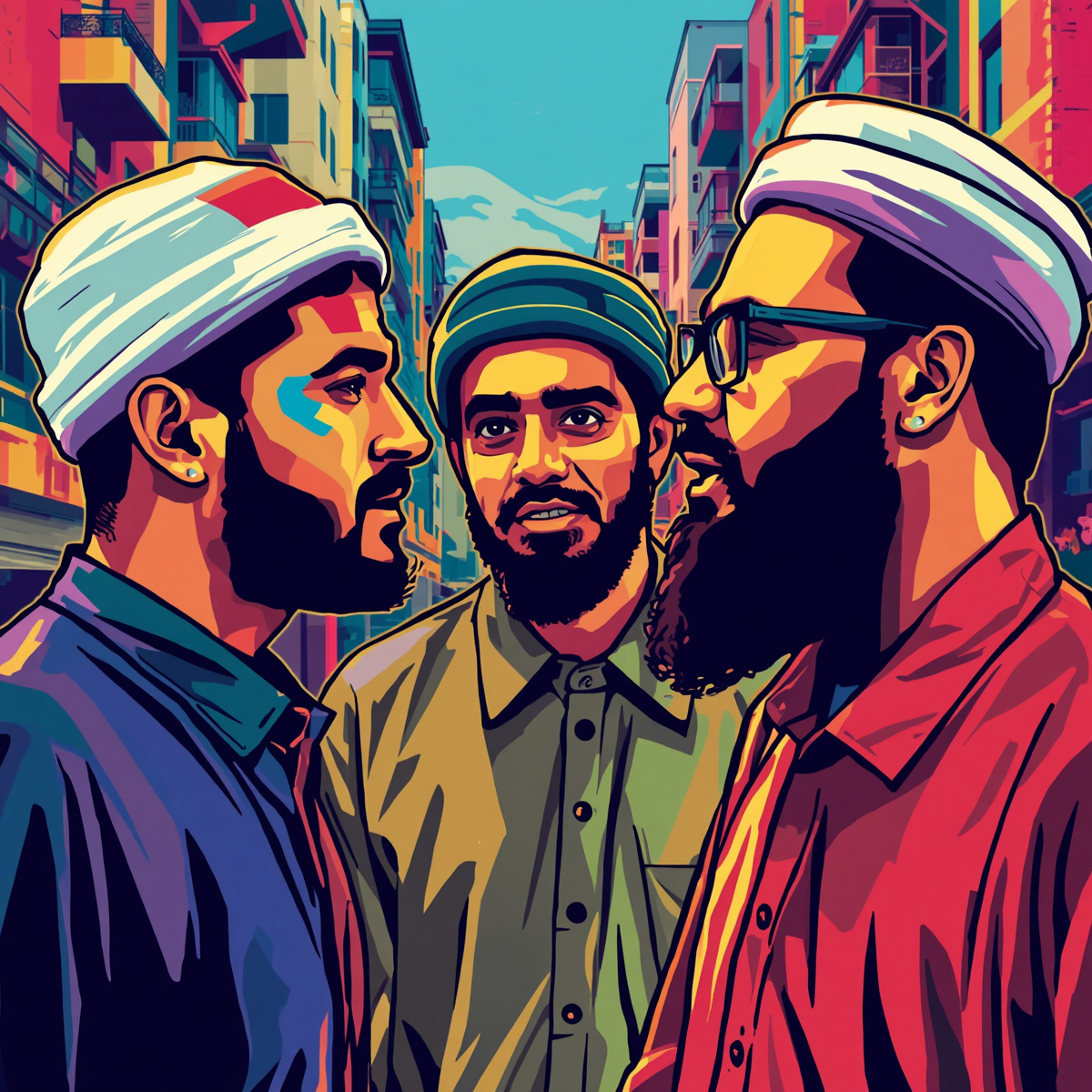
Many Muslim men today feel confused, overwhelmed, or unsure who they are supposed to be. This feeling is not a sign of weakness. It is a sign that the world around them has changed faster than their support systems, role models, and communities have. Understanding this struggle is the first step toward healing it.
- The World Changed – But Guidance Didn’t Reach Them
Young Muslim men are growing up in a world very different from the one their fathers knew. Social media, global culture, constant comparison, and endless opinions make life noisy and confusing.
At the same time, many men did not receive: • strong mentorship • healthy male role models • spaces to talk about emotions • practical guidance on navigating modern challenges
They are expected to “be a man” without ever being taught what that means in a healthy, Islamic way.
- Conflicting Expectations Pull Them in Different Directions
Muslim men today are under pressure from every side. Society tells them: • “Be successful” • “Be confident” • “Be emotionally open” • “Be strong” • “Be gentle” • “Be ambitious” • “Be humble”
These messages often contradict each other, and no matter what they do, many men feel they can never get it right. Someone will always say they are “too much” or “not enough.” Over time, this creates deep confusion about identity, manhood, and purpose.
- A Crisis of Role Models
In the past, boys grew up around uncles, elders, teachers, and community leaders who guided them into adulthood. Today, many Muslim men grow up: • without present or emotionally available fathers • without mentors • without real community involvement • without seeing healthy masculinity lived out in front of them
So where do they turn? Often to influencers, celebrities, or online personalities who may not reflect Islamic values, emotional maturity, or real-life responsibility. Without real, grounded role models, many men feel directionless.
- Emotional Struggles Are Silenced
From a young age, many Muslim men are taught things like: • “Don’t cry.” • “Don’t show weakness.” • “Deal with it.” • “Be tough.”
So they learn to hide their pain rather than heal it. They carry stress, trauma, and pressure alone because they fear being judged, mocked, or misunderstood.
When emotions have no safe outlet, they often turn into: • anger • numbness • burnout • loneliness • loss of motivation
This emotional isolation makes many men feel lost inside themselves, even if everything looks fine from the outside.
- The Pressure to Provide and Succeed
Many Muslim men feel a heavy responsibility to: • earn money • support family • build a career • stay stable and strong
These are noble goals. But in a world of rising living costs, intense job competition, and economic uncertainty, this pressure can become crushing.
When a man struggles in these areas, he may feel like he is failing not only as a provider, but as a person. He might carry shame and self-blame, even though his circumstances are often beyond his control.
- Faith Feels Distant in a Distracting World
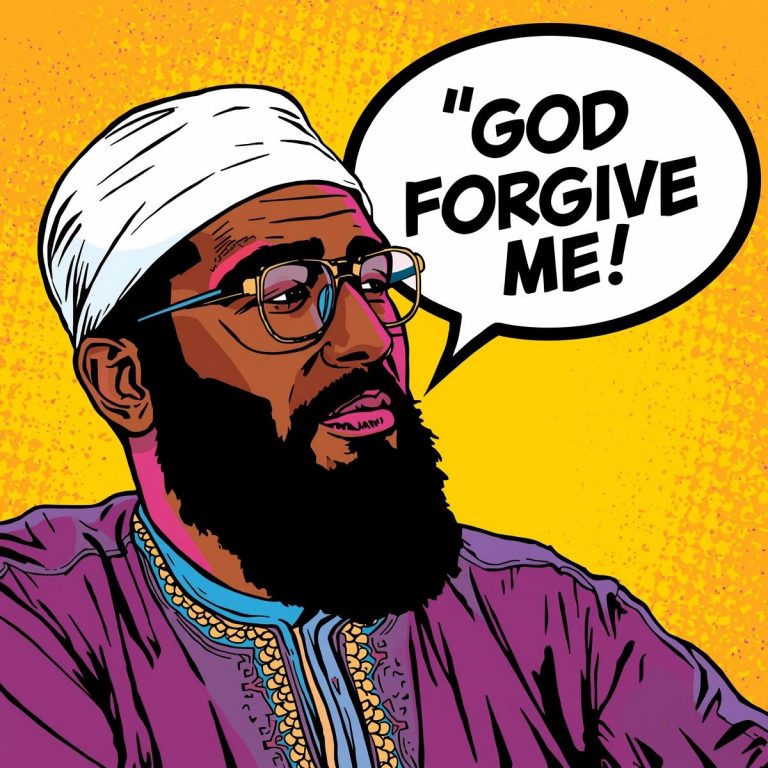
Many Muslim men want to be close to Allah, but they struggle with: • inconsistency in worship • guilt over sins • lack of spiritual motivation • distractions from social media and entertainment • not knowing how or where to start again
This can create a painful cycle:
- They feel spiritually weak.
- They feel guilty and ashamed.
- They avoid facing it.
- They feel even more distant and lost.
What they need is gentle, practical guidance – not harsh judgment or public shaming.
- Weak Community Spaces for Men
In many communities, women have strong networks, support groups, and safe spaces to talk. Men rarely do.
Most Muslim men do not have: • a real brotherhood • a trusted mentor • a circle of friends who uplift them • a space to speak honestly about their struggles
Without community, a man can feel like he is walking through life alone, even while surrounded by people.
- The Search for Purpose
At the core, many Muslim men feel lost because they do not have a clear sense of purpose. They are told what to do, but not why. They are told to be strong, but not how. They are told to be good Muslims, but not given the tools to live that out in modern life.
Islam offers a clear and powerful purpose: • to worship Allah • to build noble character • to serve others • to live with dignity, justice, and compassion
But many men have never been shown how these teachings connect to their careers, relationships, mental health, and daily struggles.
Conclusion: Muslim Men Are Not Broken – They Are Overwhelmed
The feeling of being lost is not a personal failure. It is a sign that many Muslim men are trying to carry too much with too little support.
What they need is: • better role models • stronger brotherhood and community • emotional and mental health support • compassionate spiritual guidance • healthier, more honest conversations about masculinity
Islam offers a balanced, merciful, and powerful model of manhood – one rooted in strength with softness, humility with confidence, and responsibility with reliance on Allah.
Reconnecting with that model, step by step, can help Muslim men find clarity, stability, and themselves again.