
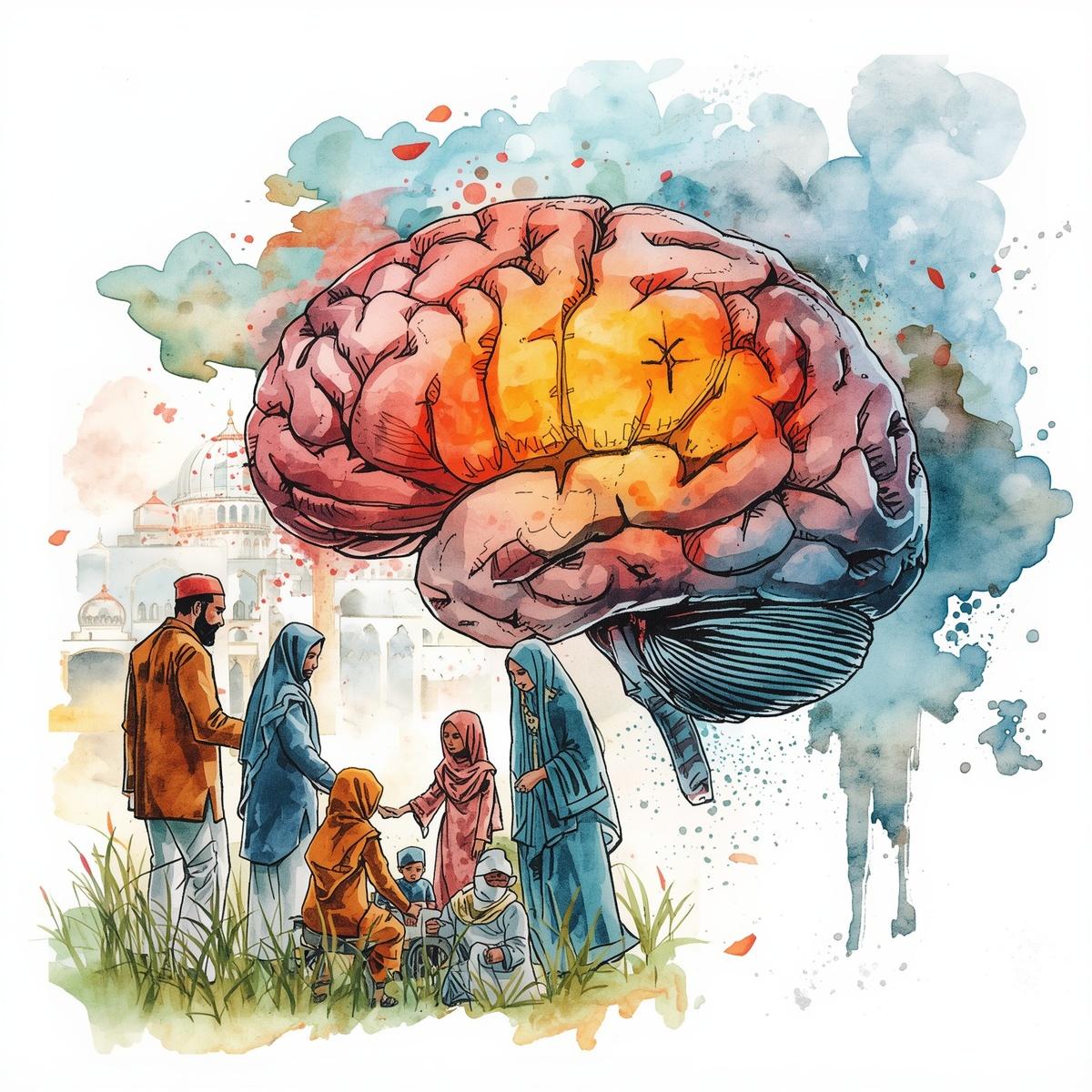
Ways to strengthen one’s memory and combat forgetfulness
Praise be to Allah, and blessings and peace be upon the Messenger of Allah.
Forgetfulness is a natural part of being human. An Arab poet summarizes this by saying that people are called “man” (insaan) because they forget (nasiyaan), and the heart (al-qalb) is named so because it changes quickly (yataqallib). It is also noted historically that the first person to forget was Adam, peace be upon him, which shows that forgetfulness is a common trait among humans.
The amount that people forget can differ for each individual based on their personality, circumstances, and choices in life. While some people may find it harder to remember things than others, there are helpful practices that can improve memory and reduce forgetfulness.
- Avoid Sin: One of the most important ways to improve memory is to stay away from sinful actions. Committing sins can lead to feelings of guilt and anxiety, which make it harder to focus and remember things. Sin creates a heaviness that blocks the clarity of knowledge. The scholar Al-Shaafa’i, may Allah have mercy on him, shared his experience of complaining about his memory to his teacher, Wakee, who advised him that staying away from sin would help improve it. He explained that the knowledge of Allah lights up the heart and can only be given to someone who is not sinful.
Al-Khateeb recorded in al-Jaami (2/387) a conversation where a man asked Maalik ibn Anas how to improve his memory. Maalik simply replied that giving up sin would help. This shows that a clear conscience helps with better thinking. When people sin, they often feel bad about it, which distracts them from learning and being productive.
- Remember Allah: Regularly remembering Allah through phrases of praise, such as saying Subhan Allah (glory be to Allah), Alhamdulillah (praise be to Allah), Laa ilaaha ill-Allah (there is no god but Allah), and Allahu akbar (Allah is the Greatest) can strengthen your memory. Constantly reciting these phrases helps both spiritually and mentally. The Quran also says, “And remember your Lord when you forget” (Al-Kahf 18:24), encouraging us to keep Allah in our thoughts even when we struggle to remember things.
- Eat Moderately: Eating in moderation is important because overeating can make you feel sleepy, lazy, and less focused, which can lead to forgetfulness. Many health problems come from poor eating habits. Some scholars suggest specific foods that can improve memory, such as honey and raisins.
Imaam al-Zuhri recommended eating honey regularly for its memory-boosting benefits. He also suggested that anyone wanting to memorize hadeeth should include raisins in their diet, as recorded in al-Jaami by al-Khateeb (2/394). Furthermore, Ibraaheem ibn [name omitted] encouraged chewing gum resin, saying it boosts energy and helps with forgetfulness (from al-Jaami by al-Khateeb, 2/397). It’s also noted that too much acidic food can lead to laziness and weaker memory.
- Cupping (Hijama): Cupping, also known as hijama, is an age-old practice that many believe can improve memory. Many people report that hijama positively affects both mental clarity and overall health. This treatment can help alleviate physical issues that might contribute to forgetfulness, leading to better cognitive function.
For a deeper understanding of these practices, one can explore Al-Tibb al-Nabawi by Ibn al-Qayyim, which covers the health benefits related to prophetic medicine.
In conclusion, by implementing these helpful practices, such as avoiding sin, remembering Allah, eating moderately, and exploring therapies like cupping, people can potentially improve their memory and reduce instances of forgetfulness. And Allah knows best.