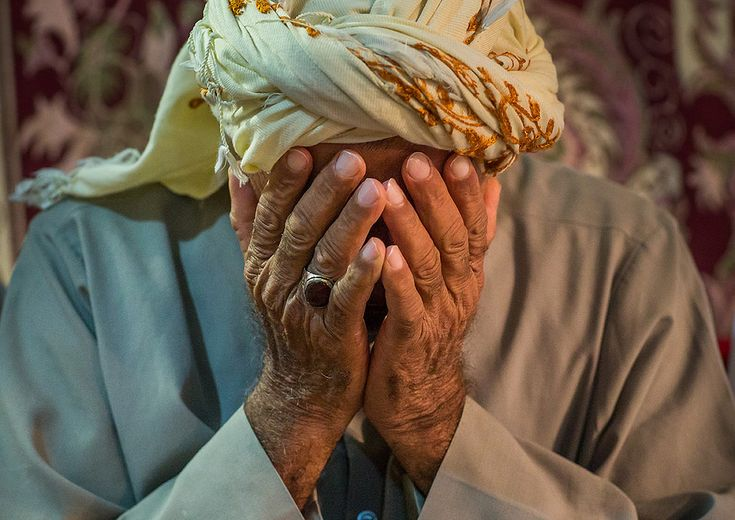

Worship is meant to be a living connection between a believer and Allah. It should be filled with sincerity, awareness, humility, and love. Yet for many people, worship can slowly become a routine performed out of habit rather than heartfelt devotion. When this happens, the outward actions remain, but the inner meaning begins to fade. The prayer is still performed, the words are still spoken, and the rituals are still observed — but the soul no longer feels fully present.
This is what it means for worship to become mechanical. It happens when acts of devotion are done automatically, without reflection or consciousness. A person may pray because it is time to pray, recite because they always recite, or fast because it is expected, but not stop to ask whether their heart is engaged. Mechanical worship is not always caused by laziness or disbelief. Often, it develops quietly through repetition, distraction, stress, or spiritual neglect.
Signs of Mechanical Worship
One of the clearest signs is lack of presence. A person may go through the motions of salah while their mind is elsewhere, thinking about work, family, or daily concerns. The body is standing in prayer, but the heart is far away.
Another sign is absence of reflection. Worship becomes mechanical when a believer no longer thinks about the meaning of what they recite or do. Quranic verses are repeated without contemplation, and supplications are spoken without feeling.
A third sign is loss of spiritual effect. True worship should leave a person softer, more humble, more patient, and more conscious of Allah. If a person prays regularly but remains unchanged in attitude and character, it may be a warning that worship has become empty habit rather than transformative devotion.
Distraction is also a major indicator. Constant exposure to noise, screens, and a fast-paced life can make it difficult to slow down and focus during worship. When the mind is always occupied, the heart struggles to connect.
Finally, mechanical worship may be reflected in eagerness for form but weakness in sincerity. A person may care deeply about whether an action was performed correctly, yet care very little about whether it was performed with devotion. Both outward correctness and inner sincerity matter in Islam, but sincerity is the soul of worship.
Why It Happens
Mechanical worship can develop for several reasons. One common cause is routine. Repetition itself is not a problem — Islam is full of repeated acts of worship — but without awareness, repetition can become dull.
Another cause is spiritual burnout. When life feels heavy, worship may become something a person gets through rather than something they experience. Stress, fatigue, and emotional exhaustion can weaken focus and motivation.
A weak relationship with the Quran and remembrance of Allah can also contribute. When the heart is far from reflection, worship may continue externally while losing its inner life.
Sometimes, people imitate the outward actions of worship without cultivating the inner meanings. Over time, this can create a religious habit that looks complete from the outside but feels hollow within.
The Solution
The cure for mechanical worship is not to abandon worship, but to revive it. The first step is intention. Before prayer, remembrance, or recitation, a believer should pause and renew the purpose behind the action. Even a brief moment of awareness can transform routine into devotion.
Reflection is also essential. Learning the meanings of what we recite, especially in salah and Quran recitation, helps the heart engage more deeply. Worship becomes more alive when the worshipper understands what they are saying to Allah.
Slowing down can make a great difference. Instead of rushing through prayer, a person can try to pray with calmness and attentiveness. Quality of presence often matters more than speed.
Regular remembrance of Allah outside formal worship can also soften the heart. Short dhikr throughout the day, quiet moments of gratitude, and sincere supplication help maintain spiritual connection.
It is also helpful to ask for Allah’s help. Sincerity is a gift, and focus is not something every person can maintain on their own. Duas for khushu‘, sincerity, and steadfastness are part of the solution.
Finally, a believer should evaluate worship by its effect on the heart and behavior. If worship is helping a person grow in patience, mercy, honesty, and humility, then it is alive. If not, it may be time to return to the basics and rebuild the inner connection.
Final Thoughts
Mechanical worship is a subtle spiritual danger because it allows the form of devotion to remain while the essence weakens. But the problem is not irreversible. With sincerity, reflection, patience, and consistent effort, worship can regain its warmth and meaning.
In Islam, Allah does not only look at appearances; He looks at the heart. The goal is not merely to perform acts of worship, but to meet Allah through them. When the heart is present, worship becomes more than a routine — it becomes a beautiful act of return, submission, and love.