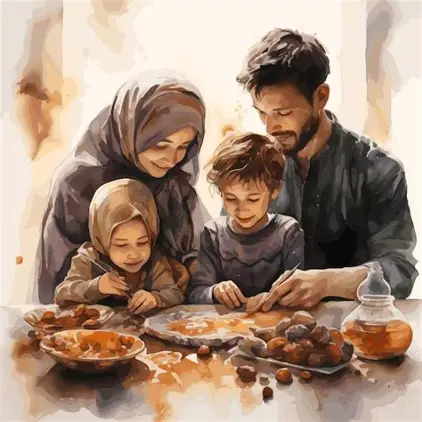
A home is one of Allah’s greatest blessings. It is the place where a person finds rest, privacy, comfort, and protection. It is also the foundation of family life and a major part of building a healthy Muslim society.
Because the home is so important, Muslims should take care to make it a place of faith, learning, worship, and good character. A strong home does not happen by accident. It is built with effort, sincerity, and attention to what is beneficial while keeping away from what is harmful.
Why the home matters
A home gives a person safety and stability. It is where daily life happens, where families gather, and where children grow up. For women, it is also a place of dignity and protection. When a home is filled with remembrance of Allah and good conduct, it becomes a source of peace and blessing.
The condition of a home also affects the wider community. Families are the building blocks of society. If homes are strong, the society becomes strong too. That is why protecting the home is not a small matter — it is one of the most important ways to protect the future of the Muslim community.
Choosing a good spouse
One of the first steps in building a good home is choosing a righteous spouse. A believer should look for deen, good character, and suitability, not just wealth, beauty, or status. A good husband and wife help each other in worship, family life, and the Hereafter.
Marriage should be approached with care, honesty, and investigation. The right questions should be asked, character should be checked, and important matters should be verified. A righteous husband and wife can create a home that is filled with goodness and stability.
Helping one’s spouse grow in faith
If a spouse is weak in practice, the head of the household should try to guide and encourage them with wisdom and patience. This includes strengthening faith through prayer, Qur’an recitation, dhikr, charity, useful reading, and good company.
A home should also have a faith-filled atmosphere. Bad influences, harmful places, and unhealthy friendships should be kept away. Instead, the household should support what helps people grow closer to Allah.
Making the home a place of remembrance
A living home is one where Allah is remembered often. Dhikr, prayer, Qur’an, and beneficial discussion should be part of daily life. A home that lacks remembrance of Allah can feel spiritually lifeless, even if it is full of activity.
The sounds and habits inside the house matter. A Muslim home should not be filled with gossip, backbiting, or haram entertainment. Instead, it should be a place where faith is refreshed and the angels are welcome.
Turning the home into a place of worship
Worship is not limited to the mosque. A Muslim should also pray, make du’a, and remember Allah at home. In times of hardship or weakness, home worship becomes even more important.
The example of the Prophet and the Companions shows that prayer at home can bring great blessing. A corner of the house can become a place of salah and devotion, helping the family stay spiritually connected.
Training the family spiritually
The family should be encouraged to worship together. This can include waking each other for night prayer, helping one another fast, giving charity, and building habits of obedience.
Small acts can have a big effect. For example, setting aside a charity box at home or encouraging regular voluntary fasting can inspire the whole household to do the same.
Remembering the Sunnah in daily home life
Simple Sunnah actions bring barakah into the home. Entering the house with the name of Allah, mentioning Allah before eating, saying the du’a when leaving, and using the siwaak are all easy habits that protect the household spiritually.
Reciting Surah Al-Baqarah in the home is also a powerful way to keep Shaytaan away. The last two verses of the surah are especially valuable for protecting the house.
Teaching the family
One of the greatest responsibilities of the head of the household is teaching the family. Parents and guardians should not only provide food and shelter, but also teach Islam, good manners, and what is halal and haram.
This teaching can happen through regular family study circles at home. A simple and practical program can include Qur’an tafseer, hadith, fiqh, and books that are easy to understand. Women should also be included in this learning, not left out.
Building an Islamic home library
A home library is another excellent way to support learning. It does not need to be large. What matters is that it contains beneficial books, is easy to access, and encourages reading.
Books can be arranged by subject, such as tafseer, hadith, or fiqh, so family members can find what they need easily. A well-organised library helps children and adults alike grow in knowledge and understanding.
Final thoughts
A Muslim home should be a place of faith, safety, learning, and worship. It should protect the family from sin and help them grow in obedience to Allah. When homes are built on righteousness, they become the source of strong families, strong communities, and a strong Ummah.
The work starts inside the home. If we improve our homes, we help improve everything around us.