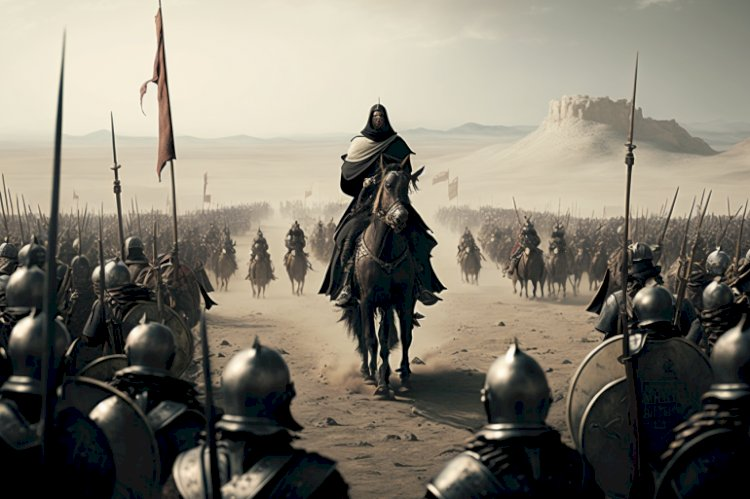
Nearly 800 years ago, Muslims ruled a significant part of Spain. This period began in the year 711 when a leader named Tariq led his soldiers across the sea to Spain. Legend says he burned his own boats to prevent his troops from retreating, forcing them to fight with determination. Tariq’s army won many battles, and soon Muslims controlled most of Spain. Today, a famous rock in Spain bears his name—Gibraltar.
Many years later, there was a city called Cordoba. This city was amazing! At night, the streets had lights. Other cities in Europe did not have this. Cordoba had clean water for people to drink. It had baths for people to use. It also had a huge library. This library had 400,000 books! The leader of Cordoba was very powerful. His name was Abd al-Rahman III. During this time, smart people lived in Cordoba. They studied science and books. Muslims, Christians, and Jews lived together in the city. They worked together too. This was a happy and peaceful time.
However, good times did not last forever. After several years, the kingdom fragmented into smaller states. These small kingdoms frequently fought among themselves, weakening their power. Christian kings in the north noticed this and began reclaiming land bit by bit. Some Muslim groups from Africa arrived to offer support, attempting to restore the kingdom’s strength. Despite their efforts, the kingdom continued to shrink steadily.
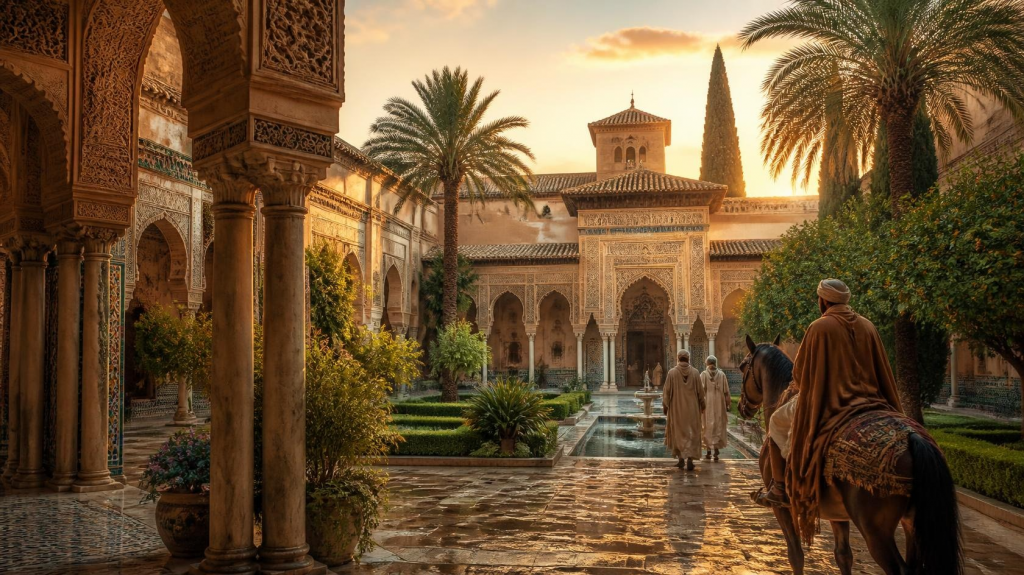
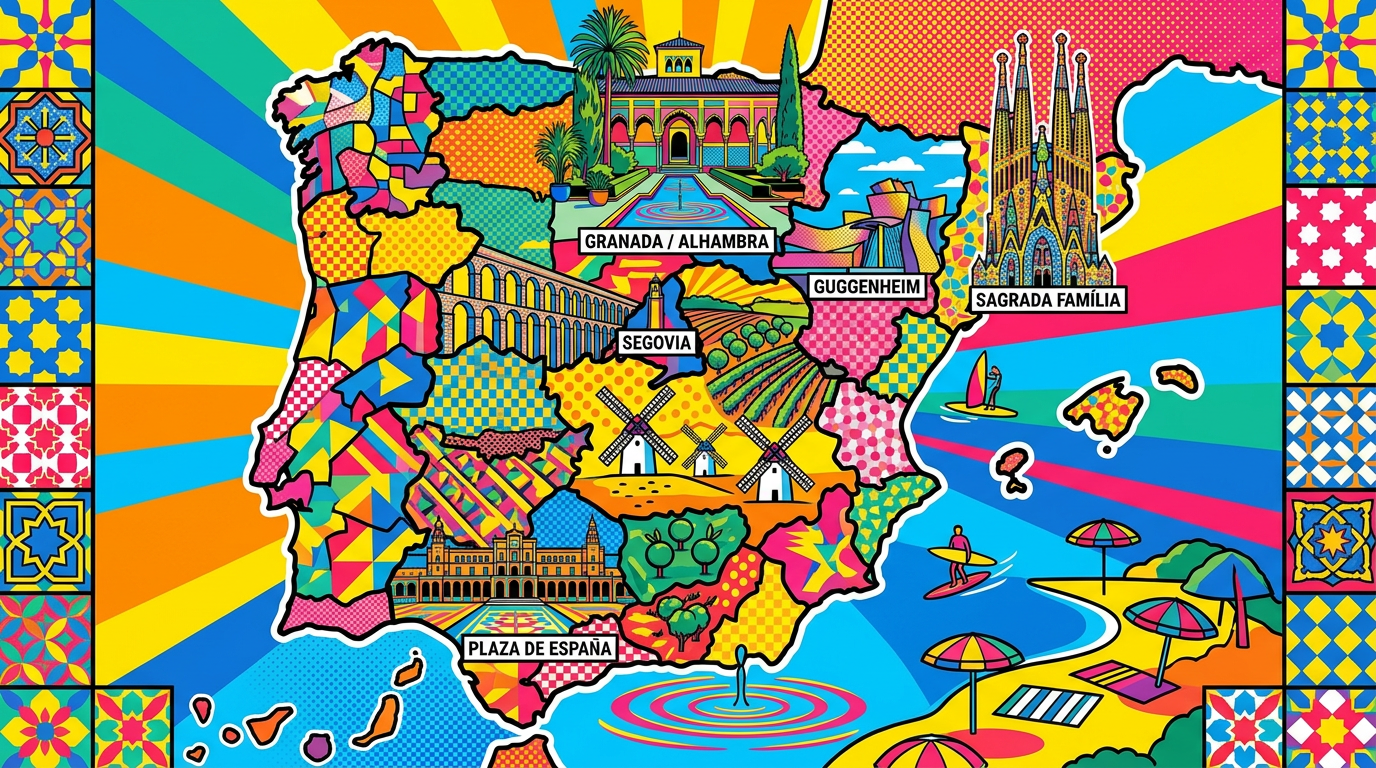
By the year 1200, Muslims ruled only a small kingdom known as Granada. Despite their waning power, they created a masterpiece—the Alhambra. This palace showcased intricate walls, stunning gardens, and tranquil pools. Yet, the Muslim kingdom’s time was drawing to a close. In 1492, the last Muslim king, Boabdil, surrendered Granada to the Christian monarchs. Legend has it that Boabdil wept as he departed the city, while his mother urged him not to shed tears. This event marked the end of Muslim rule in Spain.
Even today, traces of this era remain visible in Spain. Stunning structures like the Alhambra continue to stand proudly, attracting countless tourists each year. Several Spanish words, such as “sugar” and “oil,” have Arabic origins. Scholars of this period made significant advances in mathematics and medicine, knowledge that eventually spread throughout Europe.
This story teaches us a valuable lesson: people from diverse backgrounds can live harmoniously. They can form friendships, learn from one another, and create amazing things together. However, when conflict arises and cooperation breaks down, everything they have built can be lost. The story of Muslim Spain illustrates both of these truths. Although it took place centuries ago, its impact is still visible in Spain today.
Many years later, the extraordinary city of Cordoba emerged. At night, its streets were beautifully lit—a rare sight in European cities of that time. Cordoba offered clean drinking water and public baths for its inhabitants. It also housed an immense library with 400,000 books. The city was ruled by the powerful leader Abd al-Rahman III. During this era, Cordoba thrived as a centre for scholars dedicated to science and literature. Muslims, Christians, and Jews lived and worked together in harmony, creating a period of peace and prosperity.