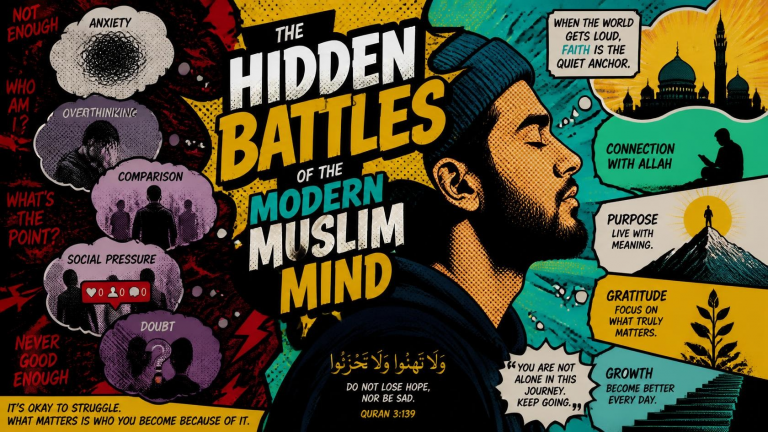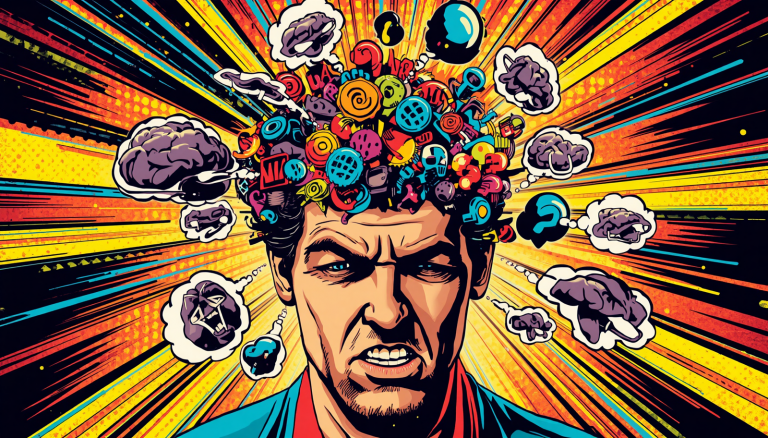

As the Muslim world confronts growing mental health challenges, a rich tradition rooted in faith, scholarship, and spirituality offers a powerful path to healing. Islamic psychology draws on centuries of Islamic thought to present a holistic understanding of the human mind and soul-one that speaks directly to the lived reality of millions of Muslims today.
Behaviour Far from being a simple “Islamic version” of Western psychology, Islamic psychology is a distinct discipline. It starts from the worldview of Islam-grounded in the Qur’an and the Sunnah of Prophet Muhammad (peace be upon him)-and builds an understanding of human behaviour, emotion, and well-being based on these primary sources and classical scholarship. Though its roots are as old as Islam itself, this field continues to evolve, engaging with modern science while remaining faithful to its spiritual foundations.
The Historical Roots of Islamic Psychology
The foundations of Islamic psychology are deeply embedded in the broader Islamic intellectual tradition. Classical scholars such as Al-Ghazali, Ibn Sina (Avicenna), and Al-Razi were not only theologians and philosophers; they were also careful observers of human nature. They wrote extensively about the soul, the relationship between reason and emotion, and the pathways to spiritual and psychological well-being.
Their works explored themes like emotional regulation, moral development, and inner conflict long before “psychology” existed as a modern science. Many of their ideas anticipate contemporary psychological theories, showing that concern for mental and spiritual health has always been central to Islamic thought.
Today, as mental health becomes a global concern, Islamic psychology offers a much-needed bridge between faith and professional mental health care. It provides a framework that is both spiritually grounded and culturally sensitive, supporting Muslims who may feel that mainstream approaches do not fully reflect their values or beliefs.
The Foundations of Islamic Psychology: A Spiritual Blueprint for Well-Being
At the heart of Islamic psychology lies the Qur’an, which Muslims believe contains divine guidance for every aspect of life-including emotional and psychological well-being. The Qur’anic perspective on mental health is holistic, emphasizing the deep interconnectedness of mind, body, and soul.
The Qur’an frequently highlights concepts such as sabr (patience), tawakkul (trust in Allah), and shukr (gratitude) as essential qualities for inner resilience and peace. One powerful verse states:
“Verily, in the remembrance of Allah do hearts find rest.” (Qur’an 13:28)
This verse expresses a core principle of Islamic psychology: that a living, conscious connection with Allah is a profound source of emotional stability and tranquility. It resonates strongly with broader discussions on spirituality in psychology, where researchers increasingly recognize the role of spiritual connection in maintaining mental health.
The Role of the Sunnah and Hadith
The Prophetic traditions (Hadith) further enrich the psychological foundations of Islam. The teachings and example of Prophet Muhammad (peace be upon him) demonstrate a remarkably advanced understanding of mental and emotional well-being for his time.
He emphasized optimism, hope, community support, and the healing power of prayer and supplication. A well-known hadith states:
“There is no disease that Allah has created, except that He also has created its treatment.” (Bukhari)
This narration encourages Muslims to actively seek treatment for all illnesses, including mental health conditions. It challenges the stigma that still exists in many communities, where mental illness may be seen as a sign of weak faith or something to be hidden rather than addressed.
Throughout history, scholars such as Ibn Qayyim al-Jawziyya expanded on these foundations, writing about happiness, sadness, anxiety, and depression. They discussed self-reflection (muhasabah), repentance, and spiritual practices as ways to heal and purify the heart. Their insights show a sophisticated understanding of the human psyche that still speaks powerfully to Muslims today.
Key Concepts in Islamic Psychology: Understanding the Self
Islamic psychology uses several core concepts to explain human behavior, motivation, and inner conflict. Among the most important are the nafs (self/soul) and the qalb (heart).
The Nafs: The Journey of the Self
The nafs is often translated as the “self,” “ego,” or “soul.” The Qur’an describes different states or levels of the nafs, each representing a stage in a person’s moral and spiritual development:
An-nafs al-ammārah – The commanding self: This is the part of the self that inclines toward base desires and wrongdoing.
An-nafs al-lawwāmah – The self-reproaching self: A more awakened state, where a person becomes aware of their faults and feels remorse when they slip.
An-nafs al-muṭma’innah – The tranquil self: A state of inner peace achieved through sincere faith, remembrance of Allah, and moral striving.
This model provides a powerful framework for understanding inner struggle and growth. It acknowledges that all humans experience temptation, guilt, and internal conflict, but also that they can progress toward serenity and moral clarity. The lifelong journey from the commanding self to the tranquil self mirrors both spiritual development and psychological healing.
The Qalb: The Spiritual Heart
Another central concept is the qalb, or spiritual heart. In Islamic psychology, the heart is more than just a physical organ—it is the center of consciousness, faith, and moral perception.
The Qur’an describes the heart as the seat of understanding and reflection:
“Have they not traveled through the land, and have they hearts wherewith to understand and ears wherewith to hear?” (Qur’an 22:46)
This verse highlights that true understanding involves the heart, not just rational thought. The state of the heart—whether it is soft or hardened, alive or diseased—plays a major role in how a person thinks, feels, and behaves. This notion is closely related to modern ideas of emotional intelligence and the importance of aligning thought, feeling, and action.
Free Will and Responsibility
Islam also places strong emphasis on free will and personal responsibility. While recognizing external influences and divine decree (qadar), Islamic teachings affirm that individuals are accountable for their choices.
In psychological terms, this encourages an active, empowered approach to mental health. Instead of feeling helpless, individuals are encouraged to seek help, make positive changes, engage in spiritual practice, and take steps to improve their emotional and spiritual state.
Islamic Approaches to Mental Health: A Holistic Perspective
Islamic psychology addresses specific mental health challenges through a holistic lens that integrates spiritual, emotional, and social dimensions.
Depression, Anxiety, and Emotional Distress
Conditions such as depression and anxiety are recognized as real and serious struggles in Islamic psychology. They are not simply dismissed as “weak faith,” nor are they seen only as medical issues. Instead, they are understood within a broader spiritual and existential context.
The Qur’an frames hardships as tests and opportunities for growth:
“And We will surely test you with something of fear and hunger and a loss of wealth and lives and fruits, but give good tidings to the patient.” (Qur’an 2:155)
This perspective does not replace professional treatment; rather, it adds meaning and spiritual support to the healing process. Alongside therapy and, when needed, medication, practices such as dhikr (remembrance of Allah), du‘a (supplication), and salah (prayer) are encouraged. These acts nourish the soul, reduce feelings of isolation, and foster hope, resilience, and trust in Allah’s wisdom.
Addiction and Behaviour Struggles
Islamic psychology also offers a nuanced approach to addiction. While Islam prohibits intoxicants and harmful substances, those who struggle with addiction are not viewed only through the lens of sin. Instead, the focus is on sincere tawbah (repentance), seeking forgiveness, rebuilding one’s relationship with Allah, and engaging in practical steps toward recovery.
Religious beliefs often become powerful motivators for change. This aligns with broader research in the psychology of religion, which shows how faith and spiritual practices can support behavioral transformation and long-term recovery.
Family and Marital Counseling
Family and marriage are central institutions in Islam, and Islamic psychology treats them as key sources of emotional support and stability. Qur’anic guidance and Prophetic teachings emphasize mercy, compassion, respect, and fulfilling rights and responsibilities within the family.
Islamic-based counseling draws heavily on these principles, aiming to strengthen family bonds and improve communication. By addressing issues within the family unit—such as conflict, mistrust, or lack of emotional connection—Islamic psychology seeks to support both individual and collective well-being.
Integrating Islamic Psychology in Modern Practice
The integration of Islamic psychology with contemporary mental health practice is an active and growing field. Many Muslim mental health professionals are developing models that combine Islamic principles with evidence-based therapies.
Combining Tradition with Evidence-Based Therapies
Approaches such as Cognitive Behavioral Therapy (CBT) and Mindfulness-Based Stress Reduction (MBSR) are being adapted to align with Islamic values:
A therapist might use CBT to help a client challenge negative thought patterns, while linking this to Islamic teachings on husn al-dhann (having a good opinion of Allah and others) and tawakkul (trust in Allah).
Mindfulness practices can be connected to Islamic concepts like khushu‘ (focused, humble presence) in prayer, or conscious awareness of Allah in daily life.
This integration allows Muslim clients to benefit from proven psychological techniques without feeling they must compromise their religious identity.
Cultural and Religious Competence
For therapists working with Muslim clients, cultural and religious competence is essential. This includes understanding:
The central role of faith in many Muslims’ lives
Key religious practices, such as prayer times, fasting, and modesty
Cultural norms and potential taboos surrounding mental illness
Such awareness helps build trust, ensures that treatment respects the client’s beliefs, and improves therapeutic outcomes. Similar principles are used in integrating psychology with other religious traditions, underlining the universal importance of cultural and spiritual sensitivity in mental health care.
Ethical Considerations
Islamic psychology also brings its own ethical questions. Practitioners must carefully navigate issues such as:
Maintaining confidentiality within close-knit communities
Handling situations where religious beliefs seem to conflict with mental health needs
Knowing when to consult or refer to qualified Islamic scholars for religious rulings beyond their expertise
Clear ethical guidelines and collaboration between scholars and clinicians are crucial to ensure that care remains both professionally sound and religiously grounded.
Challenges and Future Directions in Islamic Psychology
Despite its rich heritage and growing relevance, Islamic psychology faces several contemporary challenges.
Overcoming Stigma and Misconceptions
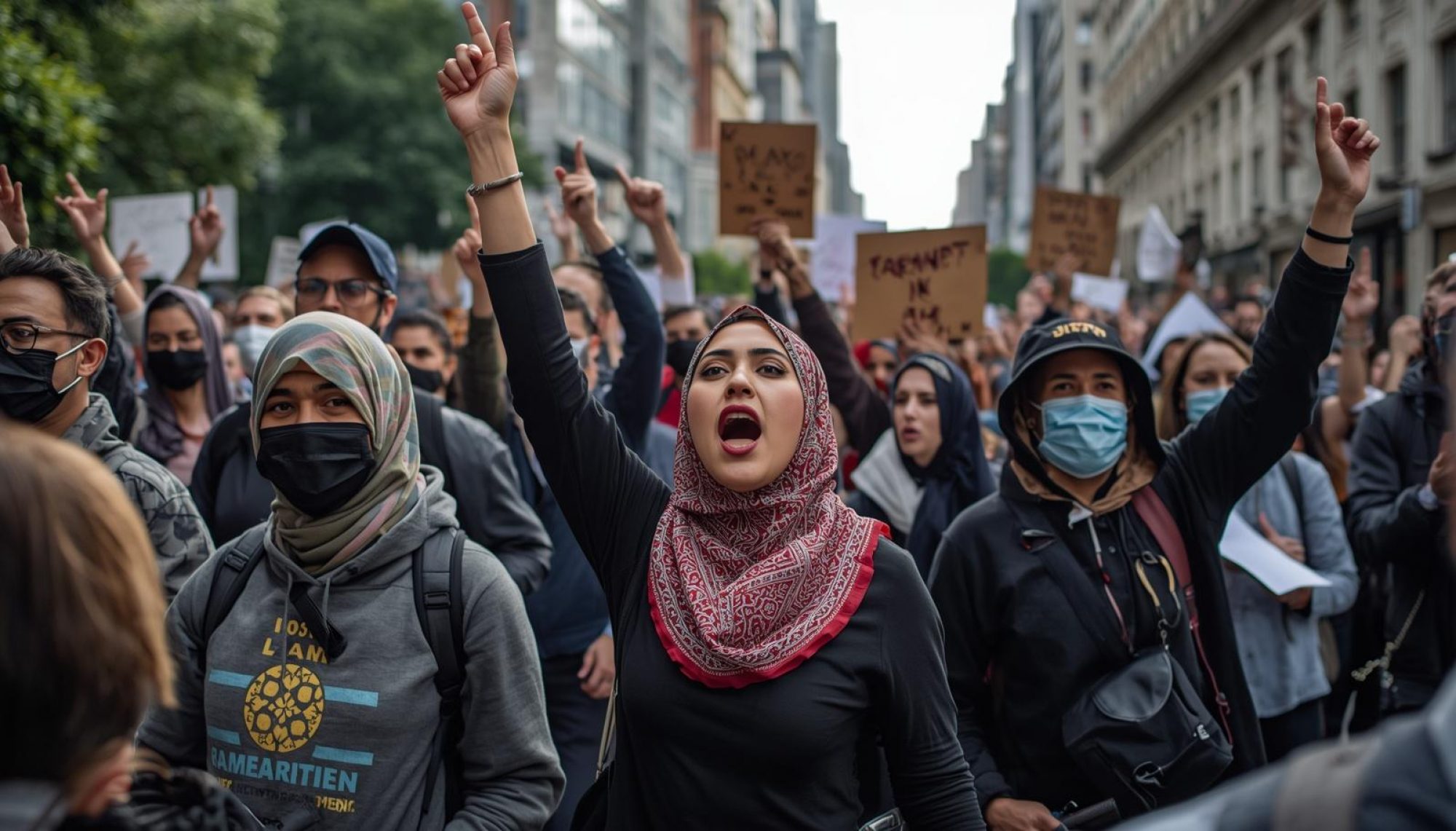
In many Muslim communities, stigma around mental illness remains a major barrier. Some still view mental health struggles as a sign of weak faith, possession, or something shameful. This can prevent individuals from seeking professional help, sometimes until conditions become severe.
To change this, education and awareness are essential. Imams and community leaders can play a powerful role by:
Speaking openly about mental health from the pulpit
Normalizing help-seeking as part of trusting Allah and using the means He has provided
Referring community members to qualified mental health professionals when needed
When religious leaders become allies in promoting mental health, communities are more likely to embrace a compassionate, informed approach.
Research, Training, and Institutional Support
Another pressing need is empirical research in Islamic psychology. While there is a wealth of classical and contemporary theoretical work, more scientific studies are required to:
Evaluate Islamic-based therapeutic interventions
Develop culturally and spiritually adapted treatment protocols
Build an evidence base that is both Islamically grounded and scientifically rigorous
In addition, specialized training programs are needed to prepare practitioners who are well-versed in both psychology and Islamic studies. Such programs can produce professionals who understand the nuances of fiqh (Islamic jurisprudence), aqidah (creed), and spirituality, alongside modern clinical skills.
A Global Contribution
The potential of Islamic psychology extends beyond Muslim-majority contexts. Its holistic approach—integrating spiritual, psychological, and social dimensions—offers valuable insights for global mental health.
In an increasingly interconnected world, engaging with diverse models of mental well-being enriches the wider field of psychology. Islamic psychology can contribute fresh perspectives on resilience, meaning, community support, and the role of spirituality in healing.
Conclusion: Toward a Holistic Vision of Mental Health
Islamic psychology stands at the intersection of faith and science, uniting ancient wisdom with contemporary knowledge. It offers a unique, deeply meaningful approach to mental health that resonates with Muslims seeking care aligned with their beliefs.
By integrating spiritual principles with psychological understanding, Islamic psychology presents a holistic model of healing—one that nourishes both mind and soul. As mental health challenges grow worldwide, the insights of this tradition can help build more inclusive, culturally sensitive, and effective systems of care.
The future of Islamic psychology lies in continued research, practical implementation, and collaboration between Islamic scholars, mental health professionals, and researchers. With sustained effort, this field can develop robust frameworks, validated interventions, and accessible services for Muslim communities around the world.
Ultimately, Islamic psychology invites us to recognize the spiritual dimension of human experience alongside the psychological. It reminds us that true well-being is not only the absence of illness, but the presence of inner peace, purpose, and a living connection with Allah. In doing so, it enriches both the lives of Muslims and the broader landscape of global mental health, highlighting the profound links between faith, culture, and psychological well-being.
As the Islamic world grapples with the complexities of mental health, a rich tradition rooted in faith and scholarship emerges, offering a path to healing and wholeness. This journey into the realm of Islamic psychology unveils a tapestry woven with threads of ancient wisdom and modern understanding, creating a unique approach to mental well-being that resonates deeply with millions of Muslims worldwide.
Islamic psychology, at its core, is a discipline that seeks to understand the human psyche through the lens of Islamic teachings and principles. It’s not merely a repackaging of Western psychological concepts with an Islamic veneer, but rather a distinct field that draws from the wellspring of Islamic scholarship, the Quran, and the teachings of Prophet Muhammad (peace be upon him). This approach to mental health and well-being is as old as Islam itself, yet it continues to evolve and adapt to the needs of contemporary Muslims.
The roots of Islamic psychology run deep, intertwining with the rich soil of Islamic intellectual tradition. Scholars like Al-Ghazali, Ibn Sina, and Al-Razi were not just theologians or philosophers; they were also keen observers of human behavior and the inner workings of the mind. Their writings on the nature of the soul, the interplay between reason and emotion, and the path to spiritual and psychological well-being laid the groundwork for what we now recognize as Islamic psychology.
In today’s world, where mental health challenges are increasingly recognized as a global concern, Islamic psychology offers a unique perspective that bridges the gap between faith and mental health. It provides a framework that is culturally sensitive and spiritually aligned with the beliefs of Muslim communities, addressing a critical need in mental health care.
The Foundations of Islamic Psychology: A Spiritual Blueprint for Mental Well-being
At the heart of Islamic psychology lies the Quran, the holy book of Islam, which Muslims believe contains divine guidance for all aspects of life, including mental and emotional well-being. The Quranic approach to psychological health is holistic, emphasizing the interconnectedness of the mind, body, and soul. It speaks of concepts like sabr (patience), tawakkul (trust in God), and shukr (gratitude) as pillars of psychological resilience.
For instance, the Quran states, “Verily, in the remembrance of Allah do hearts find rest” (13:28). This verse encapsulates a fundamental principle of Islamic psychology: the idea that spiritual connection and remembrance of God can be a source of peace and emotional stability. It’s a concept that resonates deeply with the notion of Spirituality in Psychology: Exploring the Intersection of Mind and Soul, highlighting the universal human need for spiritual connection in maintaining mental health.
The Prophetic traditions, or Hadith, further enrich this foundation. Prophet Muhammad’s teachings on mental health were remarkably advanced for his time. He spoke about the importance of positive thinking, the healing power of prayer, and the need for community support in times of distress. One famous Hadith states, “There is no disease that Allah has created, except that He also has created its treatment” (Bukhari). This saying encourages Muslims to seek help and treatment for mental health issues, countering the stigma often associated with psychological disorders in many cultures.
Islamic scholars throughout history have built upon these foundational texts, developing a rich body of literature on human psychology. Figures like Ibn Qayyim al-Jawziyya wrote extensively on topics such as the nature of happiness, the treatment of anxiety and depression, and the importance of self-reflection. Their works demonstrate a sophisticated understanding of human psychology that in many ways prefigured modern psychological theories.
Key Concepts in Islamic Psychology: Understanding the Self
Central to Islamic psychology is the concept of the nafs, often translated as the ‘soul’ or ‘self’. The Quran describes three stages of the nafs: the commanding self (an-nafs al-ammarah), which inclines toward evil; the self-accusing self (an-nafs al-lawwamah), which is conscious of its own imperfections; and the tranquil self (an-nafs al-mutma’innah), which has achieved peace through submission to God.
This model of the self provides a framework for understanding human behavior and motivation that is both nuanced and practical. It acknowledges the internal struggles we all face while offering a path towards self-improvement and spiritual growth. The journey from the commanding self to the tranquil self is seen as a lifelong process of self-discovery and spiritual development.
Another key concept is the qalb, or spiritual heart. In Islamic psychology, the heart is not just a physical organ but the center of human consciousness and spirituality. The Quran speaks of the heart as the seat of faith, understanding, and emotional intelligence. “Have they not traveled through the land, and have they hearts wherewith to understand and ears wherewith to hear?” (22:46) This verse highlights the heart’s role in comprehension and emotional processing, a concept that aligns with modern understanding of emotional intelligence.
The notion of free will and personal responsibility is also central to Islamic psychology. While acknowledging the role of external factors and divine decree, Islamic teachings emphasize individual agency in shaping one’s mental and emotional state. This principle encourages a proactive approach to mental health, where individuals are empowered to make choices that promote their well-being.
Islamic Approaches to Mental Health Issues: A Holistic Perspective
When it comes to specific mental health issues, Islamic psychology offers unique insights and approaches. Take depression and anxiety, for instance. While recognizing these as real and serious conditions, Islamic psychology also frames them within a spiritual context. The Quranic concept of hardship as a test and an opportunity for growth is often invoked: “And We will surely test you with something of fear and hunger and a loss of wealth and lives and fruits, but give good tidings to the patient” (2:155).
This perspective doesn’t negate the need for professional help or medication when necessary. Instead, it offers an additional layer of meaning and coping strategies. Practices like dhikr (remembrance of God), dua (supplication), and salah (prayer) are often recommended alongside conventional treatments, creating a holistic approach to healing.
Addiction treatment in Islamic psychology similarly combines spiritual and practical approaches. The Islamic prohibition of intoxicants is seen as a protective factor, but for those struggling with addiction, the focus is on repentance, seeking forgiveness, and rebuilding one’s relationship with God. This approach aligns with the Psychology of Religion: Exploring the Intersection of Faith and Human Behavior, where religious beliefs and practices can serve as powerful motivators for behavioral change.
Family and marital counseling in an Islamic context draw heavily from Quranic teachings and Prophetic examples. The emphasis is on mutual respect, compassion, and fulfilling one’s responsibilities towards family members. Islamic psychology recognizes the family unit as a crucial support system and aims to strengthen these bonds as part of the healing process.
Integrating Islamic Psychology in Modern Practice: Bridging Tradition and Science
The integration of Islamic psychology into modern mental health practice is an ongoing process, fraught with challenges but also rich with potential. Many practitioners are finding ways to combine Islamic principles with evidence-based therapies like Cognitive Behavioral Therapy (CBT) or Mindfulness-Based Stress Reduction (MBSR).
For example, a therapist might use CBT techniques to challenge negative thought patterns while also drawing on Islamic concepts of positive thinking and trust in God. Or they might incorporate Islamic mindfulness practices, such as khushu (focused attention) in prayer, into MBSR protocols. This integration allows for a more holistic approach that addresses both the psychological and spiritual needs of Muslim clients.
Cultural competence is crucial when counseling Muslim clients. Understanding the role of faith in a client’s life, respecting religious practices, and being aware of cultural taboos are all essential for building trust and providing effective care. This approach resonates with the principles outlined in Integration of Psychology and Christianity: Bridging Faith and Science in Mental Health, demonstrating the universal importance of cultural sensitivity in faith-based psychological approaches.
Ethical considerations in Islamic psychology are also paramount. Practitioners must navigate complex issues such as maintaining confidentiality within close-knit communities, addressing conflicts between religious beliefs and mental health needs, and knowing when to refer clients to religious scholars for matters outside their expertise.
Challenges and Future Directions: Paving the Way Forward
Despite its rich tradition and potential, Islamic psychology faces several challenges in the modern world. One of the most significant is addressing misconceptions and stigma surrounding mental health in Muslim communities. Many still view mental illness as a spiritual weakness or a lack of faith, leading to reluctance in seeking professional help.
To combat this, education and awareness programs are crucial. Religious leaders can play a pivotal role by speaking openly about mental health issues and encouraging their communities to seek help when needed. This approach aligns with the insights gained from studying the Psychology Through the Eyes of Faith: Integrating Science and Spirituality, where faith leaders become allies in promoting mental health awareness.
Research and development in Islamic psychology is another area ripe for growth. While there’s a wealth of theoretical knowledge, more empirical studies are needed to validate Islamic psychological interventions and develop evidence-based practices that are both spiritually aligned and scientifically sound.
Training and education for Islamic psychology practitioners is also a pressing need. Programs that combine rigorous psychological training with a deep understanding of Islamic principles are essential for producing competent professionals who can effectively serve Muslim communities.
As we look to the future, the potential impact of Islamic psychology extends far beyond the Muslim world. Its holistic approach to mental health, which integrates spiritual, psychological, and social dimensions, offers valuable insights for the broader field of psychology. In an increasingly interconnected world, understanding diverse approaches to mental health can foster greater cross-cultural understanding and more effective global mental health strategies.
The journey of Islamic psychology is one of continuous evolution, bridging ancient wisdom with contemporary knowledge. It stands as a testament to the enduring relevance of faith-based approaches in addressing the complexities of the human mind and soul. As we continue to explore this rich field, we open doors to new possibilities in mental health care that are both culturally sensitive and spiritually fulfilling.
In conclusion, Islamic psychology offers a unique and valuable perspective in the realm of mental health. Its integration of spiritual principles with psychological understanding provides a holistic approach to healing that resonates deeply with Muslim communities worldwide. As we face global mental health challenges, the insights from Islamic psychology can contribute to a more diverse, inclusive, and effective approach to mental well-being.
The future of Islamic psychology lies in continued research, practical application, and integration with modern psychological practices. By fostering dialogue between Islamic scholars, mental health professionals, and researchers, we can further develop this field and unlock its full potential. The journey ahead is challenging but filled with promise – a promise of healing, understanding, and growth that extends far beyond cultural and religious boundaries.
As we stand at this intersection of faith and science, of ancient wisdom and modern knowledge, Islamic psychology invites us to embrace a more holistic view of mental health. It challenges us to consider the spiritual dimension of human experience alongside the psychological, offering a path to healing that nourishes both mind and soul. In doing so, it not only enriches the lives of Muslims seeking mental health support but also contributes to the broader tapestry of global mental health care, reminding us of the profound connections between faith, culture, and psychological well-being.