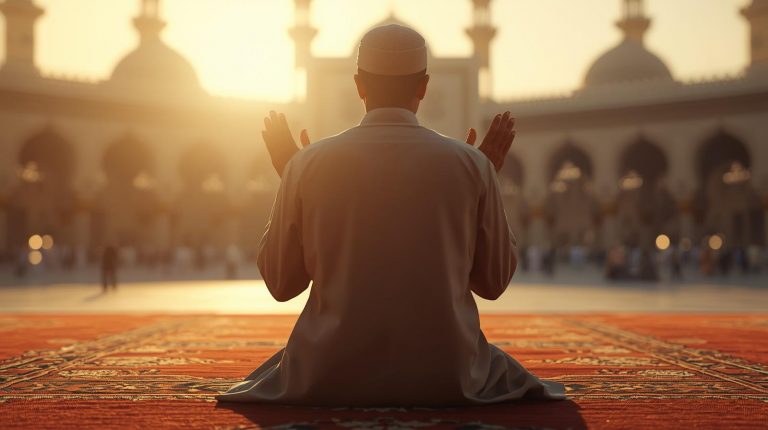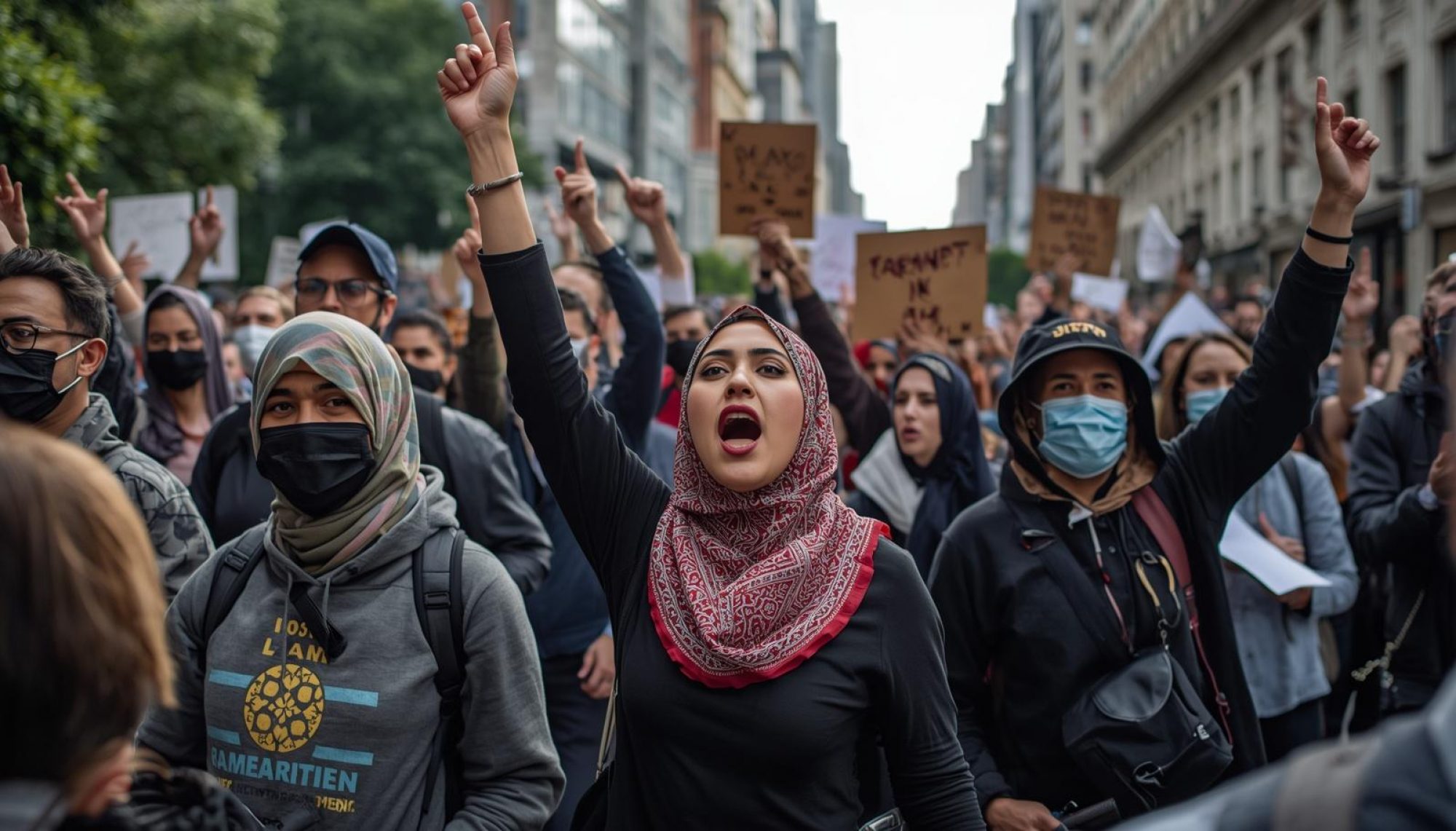
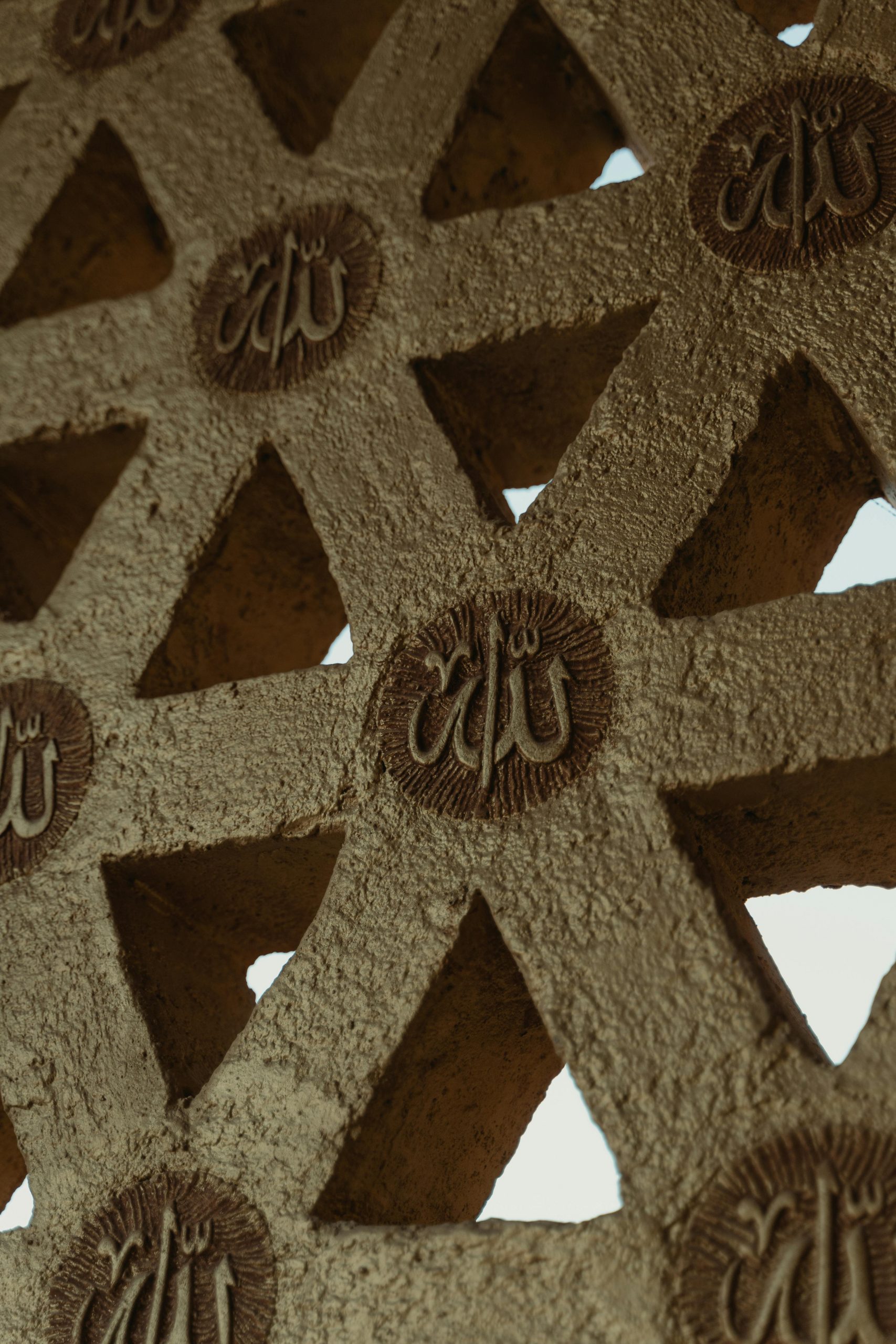
Islam, one of the world’s major religions, is often misunderstood and misrepresented in contemporary discourse. Despite the actions of a minority that misinterpret and misuse its teachings, Islam fundamentally advocates for peace, compassion, and justice. The very name “Islam” is derived from the Arabic root “S-L-M,” which means peace and submission. By exploring the core principles, teachings, and practices of Islam, we can better understand its profound commitment to peace.
The Meaning of Islam
The term “Islam” itself means “submission to the will of Allah (God),” and it is closely related to the word “Salaam,” meaning peace. A Muslim, therefore, is one who submits to the will of Allah and seeks to live a life of peace and righteousness. This foundational concept underscores the importance of peace in the religion’s identity and practice.
Core Teachings on Peace
- The Quran’s Message of Peace: The Quran, Islam’s holy book, contains numerous verses that emphasize peace and compassion. For instance, the Quran states:
“O you who have believed, enter into peace completely and do not follow the footsteps of Satan. Indeed, he is to you a clear enemy” (Quran 2:208).
This verse highlights the importance of embracing peace wholeheartedly and avoiding actions that lead to conflict and discord.
- The Example of the Prophet Muhammad: Prophet Muhammad, the final messenger in Islam, is often referred to as a mercy to the worlds. His life exemplified peace, compassion, and forgiveness. When he conquered Mecca, he forgave his former enemies, demonstrating remarkable mercy and a commitment to peace.
- The Concept of Just War (Jihad): The concept of Jihad is often misunderstood. While it literally means “striving” or “struggling” in the way of Allah, it encompasses a wide range of efforts, including personal development and social justice. The notion of armed struggle is strictly regulated and is permissible only in defense against oppression and injustice. Even then, the Quran and Hadith stress the importance of limiting harm and protecting non-combatants.
Peace in Daily Life
- Greetings of Peace: The everyday greeting among Muslims, “As-Salaam-Alaikum” (Peace be upon you), reflects the importance of peace in daily interactions. This greeting fosters a sense of community and goodwill among individuals.
- Promoting Justice and Compassion: Islam places a strong emphasis on social justice, charity, and compassion towards others. The principles of Zakat (almsgiving) and Sadaqah (voluntary charity) are central to Muslim practice, encouraging believers to support those in need and contribute to a more equitable society.
- Conflict Resolution: The teachings of Islam encourage peaceful resolution of conflicts. The Quran advises reconciliation and mediation in disputes, emphasizing forgiveness and the restoration of harmony.
Misconceptions and Clarifications
The actions of extremist groups that claim to represent Islam have unfortunately contributed to misconceptions about the religion. It is crucial to differentiate between the teachings of Islam and the actions of those who distort them for their own purposes. The overwhelming majority of Muslims around the world live in peace and adhere to the true principles of their faith.
Islam’s Contribution to Global Peace
- Interfaith Dialogue: Many Islamic scholars and organizations actively engage in interfaith dialogue to promote mutual understanding and respect among different religious communities. These efforts are vital in building bridges and fostering global peace.
- Humanitarian Efforts: Muslim-majority countries and Islamic charitable organizations often lead humanitarian efforts around the world, providing aid and relief to those affected by conflict, poverty, and natural disasters.
- Advocacy for Human Rights: Islamic teachings advocate for the protection of human rights, including the rights of women, children, and minorities. Prominent Muslim leaders and scholars work tirelessly to uphold these values in their communities and beyond.
Conclusion
Islam, at its core, is a religion of peace, advocating for compassion, justice, and harmony in all aspects of life. By understanding and embracing its true teachings, we can counteract the misconceptions and promote a more accurate representation of this profound and peaceful faith.
The path to peace in Islam is paved with the principles of justice, compassion, and respect for all humanity. In a world often marred by conflict and division, the message of peace in Islam offers a beacon of hope and a reminder of our shared responsibility to foster harmony and understanding.