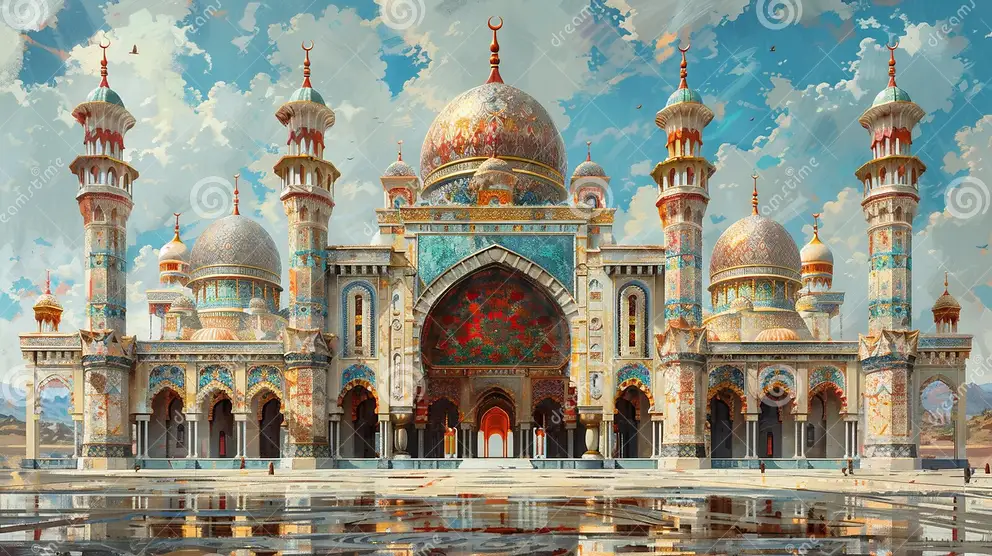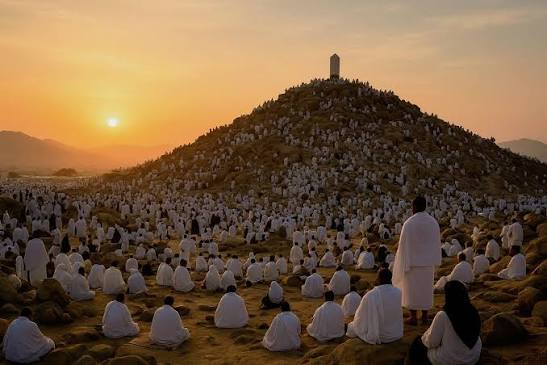
Rebuilding the “Third Space”: Why Local Masjids Need to Evolve is an important conversation for Muslims today. We live in a fast-moving, secular world where many people are searching for connection, meaning, and belonging. In sociology, the “third space” refers to a place outside the home, which is the first space, and outside work or school, which is the second space. It is where people gather, build relationships, and feel part of something bigger than themselves.
For Muslims, the masjid has always had the potential to be the most meaningful third space. It is not only a place for prayer, but a place for spiritual growth, learning, support, and community. Historically, the masjid was the heart of Muslim life. Today, however, many local masjids have become little more than prayer halls. They open shortly before salah and close soon after, leaving many people, especially youth, women, and converts, feeling disconnected.
If our masajid are to remain relevant and fulfil their true purpose, they must become more than ritual spaces. They must become welcoming, active, and spiritually nourishing centres that support the whole believer: heart, mind, body, and community.
The Quranic Vision of the Masjid as a Beacon of Light
The primary purpose of the masjid, as shown in the Quran, is to be a place of light, remembrance, and guidance. Allah (SWT) says in Surah An-Nur:
In houses which Allah has ordered to be raised and that His name be mentioned therein; exalting Him within them in the mornings and the evenings are men whom neither commerce nor sale distracts from the remembrance of Allah and performance of prayer and giving of zakah” (Quran 24:36-37).
The phrase “ordered to be raised” is not only about building walls, domes, and minarets. It also points to raising the status, purpose, and role of the masjid in the life of the community. A masjid should be a place where faith is strengthened, hearts are revived, and people are connected to Allah.
Allah also describes those who maintain the masajid as people of true guidance in Surah At-Tawbah (9:18). This maintenance, known as ‘Imarah, includes more than cleaning carpets and paying bills. It also means filling the masjid with worship, learning, service, and activities that benefit the servants of Allah.
The Prophetic Model: The Masjid as the Heart of Society
When the Prophet Muhammad ﷺ migrated to Madinah, one of his first actions was to build Masjid an-Nabawi. This was not because the Muslims simply needed a place to pray. The whole earth had already been made a place of prayer for this Ummah. Rather, the masjid was built as the centre of Muslim life.
Masjid an-Nabawi was not a silent building used only for salah. It was a living institution that served the spiritual, educational, social, and practical needs of the community.
The prophetic masjid had many roles:
Education: The companions of the Suffah lived and learned there.
Diplomacy: Foreign delegations were received there.
Healthcare: The wounded were treated there.
Social life: Disputes were resolved and marriages were celebrated there.
The Sunnah shows us that the masjid was never meant to be a cold, lifeless, or unwelcoming space. It was not a place where children were simply shushed, women were hidden away, or people felt afraid to belong. The Prophet ﷺ even shortened his prayer when he heard a child crying, out of mercy for the mother. This teaches us that the masjid can be a place of worship while still making room for families, youth, culture, compassion, and real human life.
Why the Current Model is Failing the Next Generation
Many local masjids today face a serious “relevance gap.” For some people, it may be enough for the masjid to provide the five daily prayers and Jumu‘ah. But many young Muslims are looking for more. They are looking for belonging, mentorship, friendship, and a place where they can ask honest questions without being judged.
When the masjid does not offer a youth space, meaningful programs, open discussion, or activities that speak to modern challenges, young Muslims often search for their third spaces elsewhere. They may turn to coffee shops, online communities, social media, or other environments where Islamic values are not always protected.
This is why our mindset must shift from “policing behaviour” to “nurturing hearts.” If young people only associate the masjid with criticism, rules, and uncomfortable lectures, they may slowly drift away. But if they feel seen, valued, and involved, the masjid can become a place they love and return to.
Rebuilding the third space means creating an environment where a young Muslim does not feel forced to choose between their everyday life and their spiritual identity. The masjid should help them bring both together under the guidance of Islam.
Inclusivity: Restoring the Right of Women and Converts
A true third space must be a home for the whole community. This includes women, children, families, elders, and converts. Unfortunately, in many masjids, women’s spaces are small, hidden, poorly maintained, or difficult to access. This sends a painful message, even if it is not spoken aloud.
This approach does not reflect the Sunnah. The Prophet ﷺ clearly said: “Do not prevent the female servants of Allah from the houses of Allah“ (Bukhari).
An evolved masjid must provide clean, dignified, and welcoming spaces for women. It should also include facilities for mothers with young children, so that families are supported rather than treated as a disturbance.
Converts also need special care. Many new Muslims experience a “post-Shahada slump.” At first, they may be celebrated when they accept Islam, but later they can feel lonely, confused, or forgotten. A healthy masjid should become a family for those who do not yet have one. Mentorship programs, convert circles, social gatherings, and practical support can help new Muslims feel rooted in the community.
The Masjid as a Centre for Mental Health and Social Services
In a time when anxiety, loneliness, family breakdown, and financial pressure are increasing, the masjid must also become a place of support and healing. Many people in our communities are struggling silently. They may not know where to turn, or they may feel ashamed to ask for help.
Local masjids can play an important role by partnering with Muslim mental health professionals, counsellors, social workers, and community organisations. This support should be both clinically sound and spiritually grounded.
A modern masjid should be able to address real issues such as:
Substance abuse
Financial literacy
Marital conflict
Family problems
Loneliness and isolation
Youth struggles
This is part of Fiqh al-Waqi’, the understanding of real-life circumstances. Islam is not disconnected from people’s pain. When the masjid becomes a place where people can find guidance, care, and support, their connection to the house of Allah becomes much stronger.
Transitioning to a Sustainable and Professional Management Model
For masjids to grow into true third spaces, their management must also evolve. Good intentions are important, but they are not enough on their own. A masjid that wants to serve the whole community needs structure, professionalism, and long-term planning.
This may include hiring youth directors, teachers, counsellors, social workers, administrators, and community engagement staff. Volunteers are a blessing, but many needs require consistent and trained leadership.
Masjids should also embrace technology and sustainability. This reflects the Islamic principle of Khilafah, or stewardship. An evolved masjid is one that:
Uses social media wisely to reach the youth.
Provides clear communication about programs and services.
Uses energy-efficient systems to protect the environment.
Maintains transparent financial records to build community trust.
Plans for the needs of future generations.
Professional management does not take away from the spirituality of the masjid. Rather, it helps the masjid serve people better and protects it from becoming disorganised, inaccessible, or disconnected from the community.
Conclusion: A Return to the Prophetic Essence
Rebuilding the “Third Space”: Why Local Masajid Need to Evolve is not a call to change the religion. It is a call to return to the prophetic spirit of the masjid. The masjid was never meant to be only a building where people pray and leave. It was meant to be the beating heart of the community.
By following the Quranic vision of houses filled with light and remembrance, and by returning to the inclusive model of Masjid an-Nabawi, we can build masajid that heal rather than exclude. We can create spaces where youth feel they belong, women are honoured, converts are supported, families are welcomed, and the wider community is strengthened.
As we look to the future, our masajid should be known for open doors, open hearts, and open minds. When we rebuild our masajid as vibrant third spaces, we are not simply improving buildings. We are building the future of the Ummah.