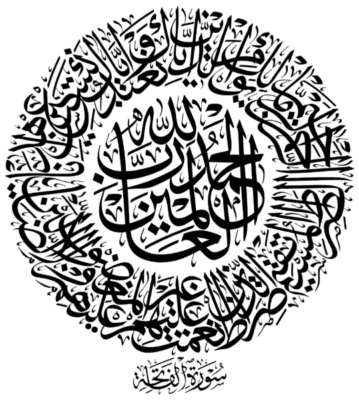
The Names of Al-Fatihah
This surah is called Al-Fatihah, meaning “The Opening,” because the Qur’an begins with it and Muslims begin their prayers by reciting it. Many scholars also call it Umm al-Kitab—“the Mother of the Book.” The Prophet ﷺ described Al-Fatihah as the Mother of the Qur’an, the seven oft-repeated verses, and the Glorious Qur’an.
It is also known as Al-Hamd (“Praise”) and As-Salah (“Prayer”). The name As-Salah reflects its central place in prayer: the Prophet ﷺ taught that a prayer without Al-Fatihah is incomplete. Other names include Ash-Shifa’ (“The Healing”) and Ar-Ruqyah (“The Remedy”), based on reports in which Al-Fatihah was recited as a spiritual cure.
Its Verses, Words, and Letters
Scholars agree that Al-Fatihah has seven verses. Many early reciters and scholars counted “Bismillah” as a separate verse at its beginning. Scholars also report that the surah contains twenty-five words and 113 letters.
Why It Is Called “The Mother of the Book”
Al-Bukhari explained that Al-Fatihah is called Umm al-Kitab because the Qur’an opens with it and prayer begins with its recitation. Another explanation is that it gathers the central meanings found throughout the Qur’an.
In Arabic usage, umm can refer to something that brings together or forms the foundation of other things. For example, the Arabs used the word for the covering around the brain and for a flag that gathers an army’s ranks. Makkah was also called Umm al-Qura, “the Mother of the Towns,” because of its special standing among them.
The Virtues of Al-Fatihah
The Prophet ﷺ called Al-Fatihah the greatest surah in the Qur’an. In one report, he promised to teach it to a companion before he left the mosque, describing it as the seven oft-repeated verses and the Glorious Qur’an he had been given.
The Prophet ﷺ also told Ubayy ibn Ka‘b that no comparable surah had been revealed in the Torah, Gospel, Psalms, or Qur’an. He identified it as Al-Fatihah, the seven oft-repeated verses.
Another report tells of companions who recited Al-Fatihah as a remedy for a poisoned tribal leader, who recovered. When they later asked the Prophet ﷺ about it, he approved the act and told them to share the reward they had received.
A further narration describes an angel bringing the Prophet ﷺ glad tidings of two special lights: Al-Fatihah and the closing verses of Surah Al-Baqarah. Whoever recites them receives their benefit.
Al-Fatihah: A Conversation in Prayer
The Prophet ﷺ taught that a prayer without Umm al-Qur’an is incomplete. He also related that Allah described Al-Fatihah as a prayer shared between Him and His servant, with the servant receiving what they ask for.
As the worshipper recites, Allah responds to each part. When the worshipper praises Him as Lord of all creation, Allah says that His servant has praised Him. When they mention His mercy and sovereignty on the Day of Judgment, Allah answers with words of praise and honour. When they say, “You alone we worship, and You alone we ask for help,” Allah says that this part is shared between Him and His servant. Finally, when they ask for guidance along the straight path, Allah promises that His servant will receive what they have asked for.
In this way, reciting Al-Fatihah is more than repeating words: it is a profound exchange between the worshipper and Allah.
Seeking Allah’s Protection from Shaytan
The Qur’an teaches believers to respond gently to human wrongdoing, and to seek Allah’s protection when Shaytan tries to whisper or mislead them. The reason is that a person’s hostility may soften through kindness, but Shaytan persists in his enmity toward humanity.
Allah warns the children of Adam not to be deceived by Shaytan, who seeks to lead people away from the right path. So before reciting the Qur’an, believers seek refuge in Allah from Shaytan, the rejected. This helps protect the heart and prepares it to listen attentively to Allah’s words.