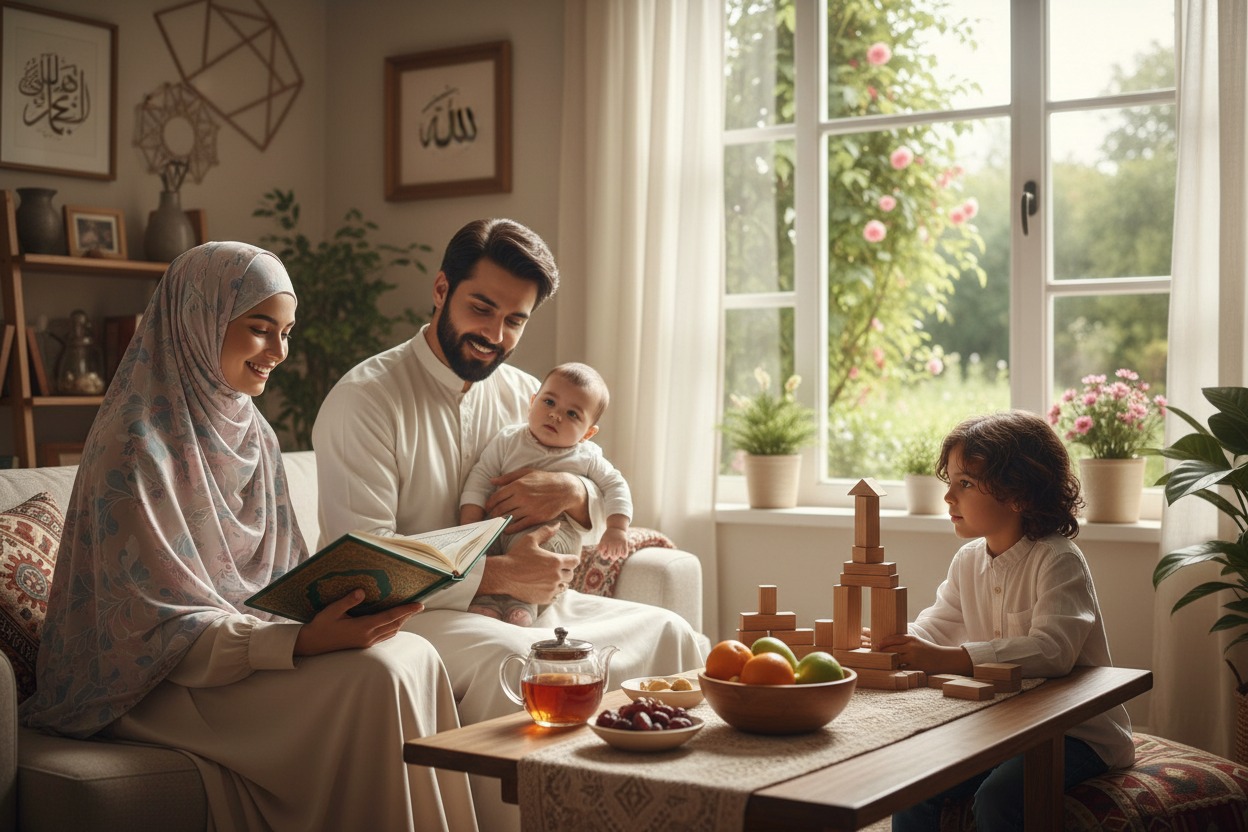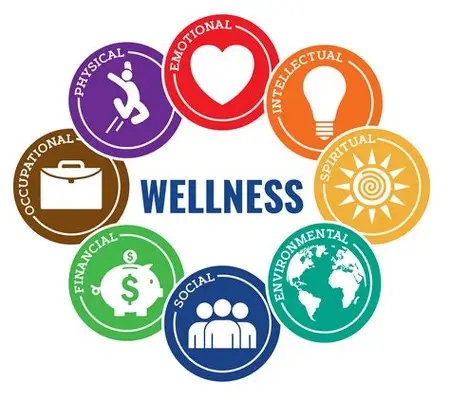

With a deep understanding of the connection between the physical and spiritual dimensions of life, you can explore how Islamic teachings foster holistic wellness. By harmonizing spiritual health with physical well-being, you can cultivate a balanced lifestyle that nurtures both your body and soul.
The Islamic Perspective on Physical Wellness
Physical wellness in Islam is regarded as a fundamental aspect of faith and spirituality. Upholding good health is both a personal responsibility and a way to honor one’s duty to Allah. The body is seen as a trust (amanah) from Allah that must be nurtured and cared for diligently.
The Role of Nutrition in Islamic Teachings
Islamic teachings place significant emphasis on wholesome, pure, and beneficial nutrition. The Qur’an encourages believers to consume what is good (tayyib) and lawful (halal), urging you to choose what best supports your body.
Following the Sunnah of the Prophet Muhammad (peace be upon him), you are encouraged to eat in moderation and avoid excess, recognizing the impact of dietary choices on both physical and spiritual well-being. Eating thus becomes a mindful act of worship, fostering gratitude, self-control, and awareness of Allah’s blessings in your life.
Physical Activity as a Form of Worship
Physical activity is deeply woven into Islamic practice and can be transformed into an act of worship when performed with sincere intention. Walking to the mosque, performing the daily prayers (salah), and engaging in sports or exercise are all meaningful expressions of devotion.
The Prophet Muhammad (peace be upon him) actively participated in physical activities and emphasized the importance of strength, resilience, and preparedness. Maintaining physical vitality is essential for fulfilling one’s duties to Allah, family, and community.
Incorporating exercise into your daily routine nurtures both body and soul, promoting holistic well-being. Viewing physical activity as worship reflects the belief that caring for your body enables deeper engagement in spiritual practices.
The Prophet Muhammad (peace be upon him) said, “The strong believer is better and more beloved to Allah than the weak believer, while there is good in both.” This teaching inspires you to remain active and recognize the vital connection between physical health and faith.
Regular exercise fuels the energy needed to meet daily responsibilities, contribute to community service, and sustain a positive mindset, all of which support your spiritual growth and overall wellness.
Spiritual Health: Integrating Faith and Well-Being
Spiritual health in Islam is fundamental to living a meaningful and balanced life. Nourishing your spiritual well-being strengthens the bond between your inner self and overall health. It fosters a deep sense of purpose, direction, and inner peace.
Engaging in practices that deepen your faith—such as prayer, Qur’an recitation, supplication, and contemplation—can profoundly enhance your mental and emotional well-being, promoting holistic healing. This journey encourages aligning your values, daily routines, and long-term aspirations with your religious principles, leading you toward true fulfillment and tranquility.
The Power of Prayer and Meditation
Prayer and meditation are essential practices for nurturing spiritual well-being. Performing salah (prayer) regularly not only strengthens your connection with the Creator but also provides intentional pauses for reflection, gratitude, humility, and mindfulness throughout your day.
Likewise, engaging in dhikr (remembrance of Allah) and contemplative meditation cultivates inner peace and calm, helping to alleviate stress and anxiety. These spiritual disciplines create a sacred space within your daily routine, fostering mental clarity, emotional strength, and a deeper trust in Allah’s wisdom and plan.
The Importance of Community and Social Support
Your well-being is profoundly shaped by the relationships and connections you nurture. In Islam, being part of a supportive community (ummah) cultivates a strong sense of belonging and shared identity, which is vital for emotional stability and personal growth.
Regular engagement with fellow believers enriches your spiritual journey and offers practical support through shared experiences, guidance, and mentorship. This community becomes a source of comfort during difficult times, reminding you that you are not alone on your path toward healing and self-improvement.
Community is a cornerstone of Islam, highlighting collective responsibility for each other’s well-being. Whether through attending Jumu’ah (Friday prayers), volunteering for charitable work, participating in educational classes, or sharing meals, these activities deepen social ties and reinforce faith.
Research consistently shows that individuals involved in close-knit, supportive communities experience greater happiness and reduced stress-related illnesses. By surrounding yourself with positive, faith-centered relationships, you strengthen both your spiritual health and overall resilience.
Mental Resilience: Balancing Mind and Soul
Mental resilience is essential for navigating life’s challenges and uncertainties. In Islam, you are encouraged to cultivate both mental clarity and spiritual depth so you can face trials with patience, hope, and trust in Allah.
Developing resilience fortifies your psychological state and aligns your soul with a higher purpose. It helps you respond to difficulties not with despair, but with tawakkul (reliance on Allah) and proactive effort, moving you toward holistic wellness.
Understanding the Connection Between Mental and Spiritual Health
In Islam, mental and spiritual health are profoundly intertwined, each nurturing the other. A sound heart fosters a clear mind, and a clear mind supports a healthy heart.
A stable mental state deepens your connection to faith, while strong faith provides comfort and insight, especially during challenges. Practices like prayer, dhikr, Qur’an recitation, and sincere contemplation cultivate mental clarity, emotional resilience, and inner tranquility.
This harmonious balance strengthens your ability to navigate life’s difficulties, embodying both psychological resilience and spiritual well-being.
Islamic Recommendations for Stress Management
Islam provides simple yet profound tools for managing stress and anxiety that nurture both the mind and soul.
Key practices include:
Regular salah (prayer),
Reciting and contemplating the Qur’an,
Engaging in dhikr (remembrance of Allah),
Making sincere dua (supplication).
These acts foster a calm and centered mindset. Daily prayers offer more than spiritual connection; they serve as mental and emotional resets. Taking moments throughout the day to pray allows you to pause, reflect, and realign your thoughts and feelings.
Acts of charity and service also alleviate stress by giving a sense of purpose and shifting focus from personal concerns to helping others. Moreover, cultivating gratitude—such as through a gratitude journal—helps transform your perspective from anxiety and scarcity to appreciation and trust in Allah.
Together, these practices deepen your faith and build resilience against life’s challenges.
Healing Practices: Bridging Science and Spirituality
Islamic healing practices harmoniously combine spiritual wisdom with practical, scientific knowledge. Many traditional Islamic health guidelines—such as eating in moderation, engaging in regular physical activity, maintaining cleanliness, and using natural remedies—align closely with modern medical and nutritional principles.
Practices like mindful prayer, focused dhikr, and heartfelt supplication (dua) promote mental clarity and emotional healing. Herbal remedies and dietary advice found in the Qur’an and Sunnah often complement contemporary nutritional understanding, supporting both physical health and spiritual well-being.
This holistic approach reflects the Islamic view that body and soul are deeply interconnected and deserve care together.
The Role of Natural Remedies in Islamic Medicine
Natural remedies have an important place in Islamic medicine, highlighting the healing power and wisdom of Allah’s creation.
Herbs and foods such as black seed (Nigella sativa) and honey are highly regarded in the prophetic traditions for their health benefits. These remedies support the body in healing, boost immunity, and can complement other forms of treatment.
Incorporating such natural, prophetic remedies into your lifestyle-under appropriate guidance—can help cultivate physical resilience while reminding you of your reliance on Allah as the ultimate Healer (Ash-Shafi).
The Impact of Prophetic Traditions on Healing Approaches
Prophetic traditions (Sunnah) deeply influence Islamic perspectives on health and healing. The teachings of the Prophet Muhammad (peace be upon him) highlight holistic well-being, encompassing physical, emotional, and spiritual aspects.
Guidance is provided on diet, sleep, hygiene, emotional expression, and the use of specific foods and medicinal plants. The Prophet (peace be upon him) emphasized balance, moderation, prevention, and seeking treatment when necessary, while placing complete trust in Allah.
The Sunnah encourages practices such as fasting, making dua for healing, and cultivating good character, all of which contribute to a healthier heart and body.
By embracing prophetic guidance—like moderation in eating, regular fasting (especially during Ramadan and voluntary fasts), and turning to Allah through supplication during illness—you foster a profound sense of harmony. These practices nurture both body and soul, offering a timeless approach to holistic wellness.
Strengthening Relationships: The Interpersonal Dimension of Wellness
Healthy relationships are fundamental to emotional and spiritual well-being in Islam. Connections based on mercy, empathy, and sincerity exemplify the prophetic model of character.
Every interaction offers a chance to embody Islamic values such as honesty, patience, forgiveness, and compassion, fostering an environment of trust and support. Strong relationships nurture a sense of belonging, alleviate loneliness, and provide emotional stability, all crucial for holistic wellness.
The Significance of Family and Marriage in Islamic Life
Family and marriage occupy a vital role in Islamic teachings. The family unit serves as the cornerstone of a healthy society, where love, mercy, respect, and responsibility flourish.
By nurturing bonds between spouses, parents and children, and extended relatives, you enhance your emotional well-being and fulfill a significant religious obligation. A harmonious family life offers emotional security, encourages spiritual growth, and serves as a sanctuary during challenging times.
Islam promotes mutual support among spouses and family members in righteousness, encourages kind communication, and advocates resolving conflicts with wisdom and patience. This cultivates a home filled with sakinah (tranquility) and shared growth.
Charity and Its Impact on Personal Fulfilment
Charity (zakat and sadaqah) holds a revered place in Islam, serving as both a vital social duty and a means of spiritual purification. Giving charity cleanses the heart from greed and detachment from material wealth, while uplifting those in need.
Acts of giving foster a profound sense of purpose and connection—to Allah, your community, and humanity as a whole. They remind you that your wealth and abilities are trusts from Allah, to be used with responsibility and compassion.
Helping others is linked to enhanced mental well-being and happiness. Research shows that generosity activates brain regions associated with joy and fulfillment. Through charity, you engage in a cycle of goodness that benefits both giver and receiver.
This ripple effect strengthens community bonds and resilience. As your contributions nurture a more caring and supportive environment, your own sense of belonging, gratitude, and inner peace deepens.
Islamic teachings offer a comprehensive and balanced approach to wellness, addressing body, mind, and soul. By blending spiritual practices—such as prayer, dhikr, Qur’an recitation, and charity—with healthy habits like balanced nutrition, physical activity, and meaningful social connections, you nurture every aspect of your being.
Embracing this holistic Islamic view of wellness enables you to live more mindfully and purposefully, reflecting the deep connection between faith and health. As you prioritize this path, insha’Allah you will experience greater peace, resilience, and vitality, drawing closer to Allah while honoring the amanah of your body and soul.
With a profound appreciation of the harmony between physical and spiritual life, you will discover how Islamic teachings encourage holistic wellness. Integrating spiritual health with physical wellbeing creates a balanced lifestyle that nourishes both body and soul. This blog post explores essential Islamic principles, practices, and lifestyle choices that promote healing and overall health, helping you deepen your connection to faith and your wellness journey.