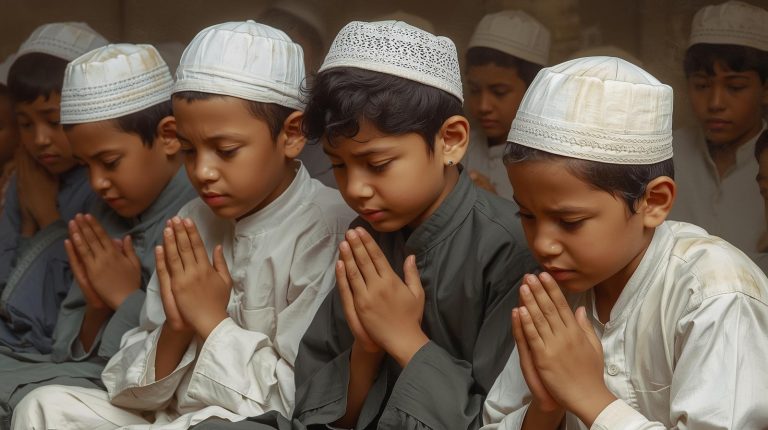
Raising kids in the West as a Muslim parent comes with its own set of challenges and opportunities.
As Muslim families navigate life in predominantly non-Muslim societies, they often find themselves asking: How do I ensure my child grows up with a strong Islamic identity while adapting to the cultural norms around them?
This question is common for Muslim parents living in countries like the U.S., U.K., Canada, or other Western nations.
This guide offers practical advice, strategies, and tips for parents who wish to raise practising Muslim children in the West.
Everyday It addresses the common struggles faced by Muslim families while providing realistic solutions to instil Islamic values and teachings without isolating children from their broader environment.
Embracing the Beautiful Journey of Raising Muslim Children in the West
Parenting is a wonderful adventure, filled with unique experiences, especially for Muslim families in the West. A 2020 Pew Research survey indicates that the U.S. Muslim population is expected to double by 2050, currently representing about 1.1% of the population. This underscores the significance of guiding our children to embrace their Islamic identity while confidently engaging with a diverse culture. Let’s transform these challenges into exciting opportunities for growth, connection, and understanding, creating a brighter future together!
One exciting opportunity we have is to connect the rich teachings of Islam with the vibrant values of the West! Islam beautifully encourages modesty, while Western culture celebrates individual freedom, which can sometimes seem at odds. Instead of shielding our children, let’s empower them to thrive as confident individuals who honor their Islamic roots while embracing the diversity around them. This wonderful blend can lead to enriching experiences and foster respect, helping to create a harmonious and understanding community for everyone.
Practical Tip: Encourage open communication.
Foster a warm and welcoming space where your kids can freely share their thoughts and experiences! Engage them with questions about their school days, friends, and any challenges they face. Encourage open conversations about all topics, including identity, so they feel supported and valued. This openness makes it easier to guide them with the wisdom of Islamic teachings, strengthening your bond and their confidence.
Navigating the Journey of Islamic Identity and Embracing Cultural Integration
A question many parents have is how to help their kids perfectly balance Islamic teachings with their cultural identity. The beautiful message of Islam, as highlighted by the Prophet Muhammad (PBUH), is that it’s a way of life adaptable to diverse cultures. This means that Muslim families can thrive in Western society while proudly preserving their unique Islamic identity!
Many parents find themselves hesitant when it comes to letting their children join in on Western cultural activities. Should you encourage them to go to school dances? What about celebrating holidays like Halloween or Christmas? While these moments can feel a bit overwhelming, they also present wonderful chances to share your faith with your children and help them understand the beauty of being Muslim in a diverse world. Embrace these opportunities!
Practical Tip: Establish Clear Boundaries
Encourage your children to participate in school events or activities, as long as they align with our Islamic values! Engaging in activities like school plays or sports can be fun, and it’s a great opportunity to share our beliefs gently. You can explain the reasons behind not celebrating Christmas in a warm and caring way, helping them understand our traditions.
They might be curious about why they don’t observe certain holidays or wear modest clothing. Prepare them with simple, friendly responses, like saying, “I don’t celebrate Christmas because I’m Muslim, but I love spending time with my friends and family.” This not only nurtures their confidence in their Islamic identity but also fosters a sense of acceptance and understanding in diverse environments..
Instilling Islamic Values and Practicing Religion in a Secular Environment
Islamic values like kindness, respect, modesty, and honesty are truly universal and can enrich any community. It’s essential to inspire children to see Islam as more than rules—it’s a beautiful way of life that fosters connection, understanding, and compassion. Let’s encourage them to embrace these values wholeheartedly, wherever they may be!
Discovering the Beauty of Daily Prayers (Salah)
Salah, or daily prayer, is a vital part of Islamic life! Instilling the significance of prayer in your children early on fosters a deep bond with Allah. While it can be tricky for them to find time and space to pray at school or in public, with some creativity and encouragement, we can help them embrace this beautiful practice wherever they are!
Practical Tip: Make Salah a non-negotiable priority, but also allow for some flexibility.
Encourage your child to pray on time, but also teach them how to combine prayers when necessary (such as praying Dhuhr and Asr together after school). If they are in a situation where it’s hard to find a place to pray, show them how they can discreetly perform a shorter prayer. Normalize praying in public spaces, such as parks or even a quiet corner of the school.
Exploring the Depths of Quranic Knowledge and Insight
Studying the Quran is a vital part of every Muslim’s journey. While formal education can be challenging to find in the West, consider enrolling your child in Quranic classes at your local masjid. This is a wonderful opportunity to nurture their faith and build lasting connections within the community!
Practical Tip: Consider enrolling in online Quran courses.
Tajweed Quran Online presents a fantastic opportunity for your child to study the Quran from the comfort of home through engaging online classes! You can enroll them in programs to memorize the Quran or explore Noorani Qaida to grasp the Makharij beautifully. These resources are incredibly valuable, especially in areas with limited access to local Islamic centers. An online Quran reading course empowers children to learn at their own pace while receiving the essential religious education they deserve. It’s a wonderful way to nurture their spiritual growth!
Dealing with Peer Pressure and Bullying
Peer pressure and bullying are common challenges that many people face, especially during their school years. It’s important to recognize these issues and understand effective ways to handle them.
- Recognize Peer Pressure: Peer pressure occurs when individuals feel compelled to act a certain way to fit in with a group. It can involve engaging in risky behaviors or making choices that go against one’s values.
- Understand Bullying: Bullying is repeated aggressive behavior that can be physical, verbal, or relational. It often targets individuals who may feel vulnerable or isolated.
- Strategies to Handle Peer Pressure and Bullying:
- Stay True to Yourself: It’s crucial to know your values and beliefs. Don’t be afraid to assert yourself and say no when you feel uncomfortable.
- Seek Support: Talk to trusted friends, family, or teachers about your experiences. Having a support system can provide you with guidance and encouragement.
- Practice Assertiveness: Learn to communicate your feelings confidently and respectfully. Assertive communication can help you stand up to bullying and resist peer pressure.
- Get Involved in Positive Activities: Engage in clubs, sports, or community service. Surrounding yourself with positive influences can reduce the impact of negative peer pressure.
- Report Bullying: If you or someone you know is being bullied, it’s important to report it to a responsible adult or authority figure who can take appropriate action.
By recognizing peer pressure and bullying, as well as implementing these strategies, individuals can build resilience and create a safer and more supportive environment for themselves and others.
Many Muslim parents in the West are understandably concerned about peer pressure and bullying. A 2017 survey by the Institute for Social Policy and Understanding (ISPU) revealed that 42% of Muslim children in the U.S. have faced bullying. It’s essential to recognize that children may feel pressure to fit in with different norms or may feel self-conscious about their beautiful practices, like wearing a hijab, fasting during Ramadan, or choosing specific foods. By fostering understanding and support, we can create a more inclusive environment for all!
Practical Tip: Encourage your child to develop self-confidence.
Foster a sense of pride in your children for being Muslim by joyfully celebrating Islamic holidays like Eid! Surround them with inspiring role models from the Muslim community and beyond who embody values such as integrity, empathy, and resilience. Engage in interfaith activities to showcase how, despite our diverse beliefs, mutual respect and kindness create strong bonds.
Equip your kids with effective strategies to handle bullying, teaching them when to walk away and when to speak up confidently. Encourage open conversations with teachers or trusted adults if they ever feel uncomfortable or targeted. The aim is not to shield them from negativity, but to empower them to stand tall in dignity and self-respect. With your support, they can navigate challenges and emerge stronger!
Fostering a Positive Islamic Environment at Home
Creating a nurturing Islamic environment at home is a wonderful way to raise Muslim children in the West! Your home can be a sanctuary where your kids feel safe to express themselves and embrace their faith. By weaving Islamic values into your daily routines—like praying together, reading the Quran as a family, and chatting about Islamic teachings in everyday situations—you foster a strong, loving connection to their faith and encourage them to grow into confident individuals.
Tip 1: Integrate Islamic education into your daily routine.
In addition to formal Quranic studies, consider sharing engaging lessons or stories from the Seerah and Islamic history during family time. Keep it relaxed and enjoyable—these can be delightful chats at the dinner table or during car rides. You’ll be amazed at how much your kids pick up from these meaningful everyday conversations!
Tip 2: Observe Islamic holidays with great enthusiasm and celebration.
Let’s create an unforgettable Eid for our kids! Decorating the house, getting them new clothes, and surprising them with gifts can help them build joyful memories tied to their Islamic identity. When they cherish these moments, they’ll feel a stronger connection to their heritage and be more resilient against peer pressure. Together, we can nurture their pride and celebrate our traditions!
Raising Muslim Kids in the West: FAQs
How can I help my child remain connected to Islam while living in a non-Muslim environment?
Nurture a vibrant Islamic identity by creating a welcoming Islamic atmosphere at home! Encourage daily prayer, engage in Quran reading together, and hold meaningful family discussions about our values. Get involved in community activities like attending the mosque or enrolling in Islamic schools and online classes. For instance, enrolling your children in a Quran reading course online can greatly enrich their understanding. When children experience Islam woven into their everyday lives, they’ll develop a strong sense of belonging and pride in their faith, even in a diverse society. Let’s embrace this journey together!
How do I explain to my child why we don’t celebrate certain holidays, such as Christmas?
It’s wonderful to share that Muslims have unique celebrations, such as Eid, which hold great significance for us. You might say, “While our friends celebrate Christmas, we joyfully celebrate Eid because it’s special to our faith.” Get your children involved in the festive preparations to help them create cherished memories. This fosters respect for others’ traditions while instilling pride in their own. Make Eid a delightful time with gifts, new clothes, and family gatherings, ensuring they feel included and excited about their own celebrations!
How can I assist my child in handling peer pressure regarding hijab and fasting?
Help your child grow in confidence by sharing the reasons behind their Islamic practices. Encourage them to answer questions proudly, saying, “I wear a hijab because it’s an important part of my faith, and it brings me joy.” Foster friendships with both Muslim and non-Muslim peers who appreciate their beliefs. Engage them in enjoyable activities outside of religious contexts to ensure they feel included and connected. With a strong sense of identity, they’ll be well-equipped to navigate peer pressure with reassurance and positivity!
How can I balance my child’s Western education with Islamic teachings?
Embrace the integration of Islamic values into daily life by engaging in meaningful discussions about school lessons through an Islamic perspective. For example, when topics like kindness or respect arise, connect them to Islamic teachings. Enhance their learning with Islamic studies at home or through online resources like Tajweed Quran Online. This approach helps them recognize how their faith beautifully aligns with their education. Encourage critical thinking, empowering them to navigate both realms with confidence and enthusiasm!
How can I teach my child to pray in public, like at school?
Encourage your child to embrace the power of prayer, even in public spaces! Remind them that it’s perfectly fine to pray quietly in a library or a park. If they miss a prayer, teach them how to combine prayers at home. It’s essential they feel confident and proud of their faith in public. For younger children, engage in fun role-play to practice making wudu and finding a place to pray, making it a natural part of their routine. Let’s nurture their spiritual journey together with positivity and joy!
How should I address questions about our different rules, such as not eating pork or drinking alcohol?
Share with your child that Islam offers wonderful guidelines for living a healthy and clean life, including specific dietary choices. You might say, “We don’t eat pork or drink alcohol because our faith helps us take good care of our bodies.” Highlight how these practices lead to better well-being and happiness. Encourage your child to kindly explain their choices to friends, emphasizing that following these guidelines is not only healthy but also a beautiful way of expressing their devotion. Together, let’s celebrate the positive impact of these traditions!
What is the best way to make learning the Quran interesting for my child?
Embrace fun and inventive ways to make Quran learning a joyful adventure! Explore engaging storytelling, apps, and games that spark interest. Websites like Tajweed Quran Online can transform your experience into something truly interactive. Set exciting small milestones, like memorizing short surahs, and celebrate each achievement together. Involve siblings or friends for group learning, perhaps hosting weekly competitions or challenges with fun rewards. Keep lessons lively and relatable, tying teachings to everyday life to sustain enthusiasm and curiosity. Let’s enjoy this beautiful journey together!
How can I help my child be proud of their Islamic identity when facing bullying?
Help your child embrace their identity with pride by celebrating what it means to be Muslim! Engage in fun role-playing scenarios to build their confidence in handling teasing and bullying, empowering them to respond with calmness and assertiveness. Encourage open conversations with trusted adults whenever they feel overwhelmed. Surround them with a loving community of family, Muslim friends, and supportive educators to nurture their self-esteem. Getting involved in local Muslim groups or interfaith events can truly enhance their sense of belonging and connection to a larger community. Together, we can uplift and empower them!
How can I balance screen time with Islamic learning?
Establish healthy screen time limits while introducing your child to engaging and educational Islamic content. Explore fantastic Islamic apps, YouTube channels, or online Quran classes as exciting alternatives to typical entertainment. If your child loves cartoons, seek out animated stories about the Prophets or valuable Islamic principles. Create a balanced routine that combines fun and learning, and encourage offline activities, such as family Quran reading or storytime, to deepen their understanding of faith. This thoughtful balance fosters both relaxation and spiritual growth in a joyful and supportive environment!
What are some effective ways to help my child stay connected to the vibrant Muslim community in the West?
Engage your child in exciting Islamic community events, vibrant masjid activities, or lively online Islamic groups! If your local community is small, online platforms offer wonderful opportunities to connect with other Muslim kids. Organize fun playdates with Muslim families or enroll them in enriching Islamic summer camps. Check out Tajweed Quran Online for group classes that foster friendships while learning! Nurturing a strong connection to the Muslim community will provide your child with a wonderful sense of belonging and support as they grow and thrive.
Conclusion: Nurturing Confident Young Muslims in the West
As we close this discussion, it’s essential to embrace the vibrant journey of raising Muslim children in a Western context. By fostering a strong sense of identity and confidence, we equip them to navigate the complexities of modern society while remaining true to their values and beliefs. Empowered with knowledge, supported by their community, and encouraged to express their unique cultural heritage, these young individuals can thrive, embracing both their faith and the diverse world around them. Let’s inspire and guide our children to walk boldly on their path, celebrating their identity with pride and openness!
Raising Muslim children in the West is an exciting journey filled with opportunities! It allows us to nurture a confident generation that proudly embraces their faith while thriving in society.
By instilling strong Islamic values from a young age, promoting open dialogue, and using fantastic resources like Tajweed Quran Online for learning the Quran, we can empower our children to navigate Western life while staying true to their beautiful Islamic identity. Together, we can cultivate faith and resilience! Raising Muslim children in the West might feel daunting at times, but it is also an opportunity to foster a generation that is confident in both their faith and their place in society.
By instilling Islamic values early on, engaging in open communication, and utilizing resources like Tajweed Quran Online for Quranic learning, you can help your children navigate the complexities of Western society without compromising their Islamic identity.
Whether you teach the Noorani Qaida, help them memorise the Quran online, or simply support them in daily prayer, you are their primary guide in living a fulfilling, faith-cantered life.