Many Muslims often wonder if there are special fasts or prayers that need to be observed during the month of Rajab. Islam emphasizes the importance of following authentic guidance. It is important to note that there is no specific obligatory fast or special prayer that the Prophet ﷺ established solely for Rajab. Nevertheless, fasting in Rajab is allowed and rewarded, as fasting is a good deed in any month, and especially in a sacred one like Rajab.
The Prophet ﷺ appreciated voluntary fasting, and choosing to fast on certain days in Rajab with the intention of pleasing Allah is a commendable act. However, it is crucial to avoid the belief that certain fasts or practices are compulsory without proper evidence.
Rajab is one of the four sacred months mentioned in the Quran. Allah states that out of the twelve months, four are sacred, with Rajab being one of them. These sacred months are times for peace, reflection, and an increase in rewards for good deeds. It is important to note that committing sins during these months is considered more serious, so Muslims are encouraged to be especially cautious about their actions, words, and intentions.
Rajab occurs before Sha’ban and Ramadan, making it a significant month for preparation. Just as one might prepare their home before welcoming an important guest, Rajab is a time for preparing the heart for the upcoming month of fasting, mercy, and forgiveness.
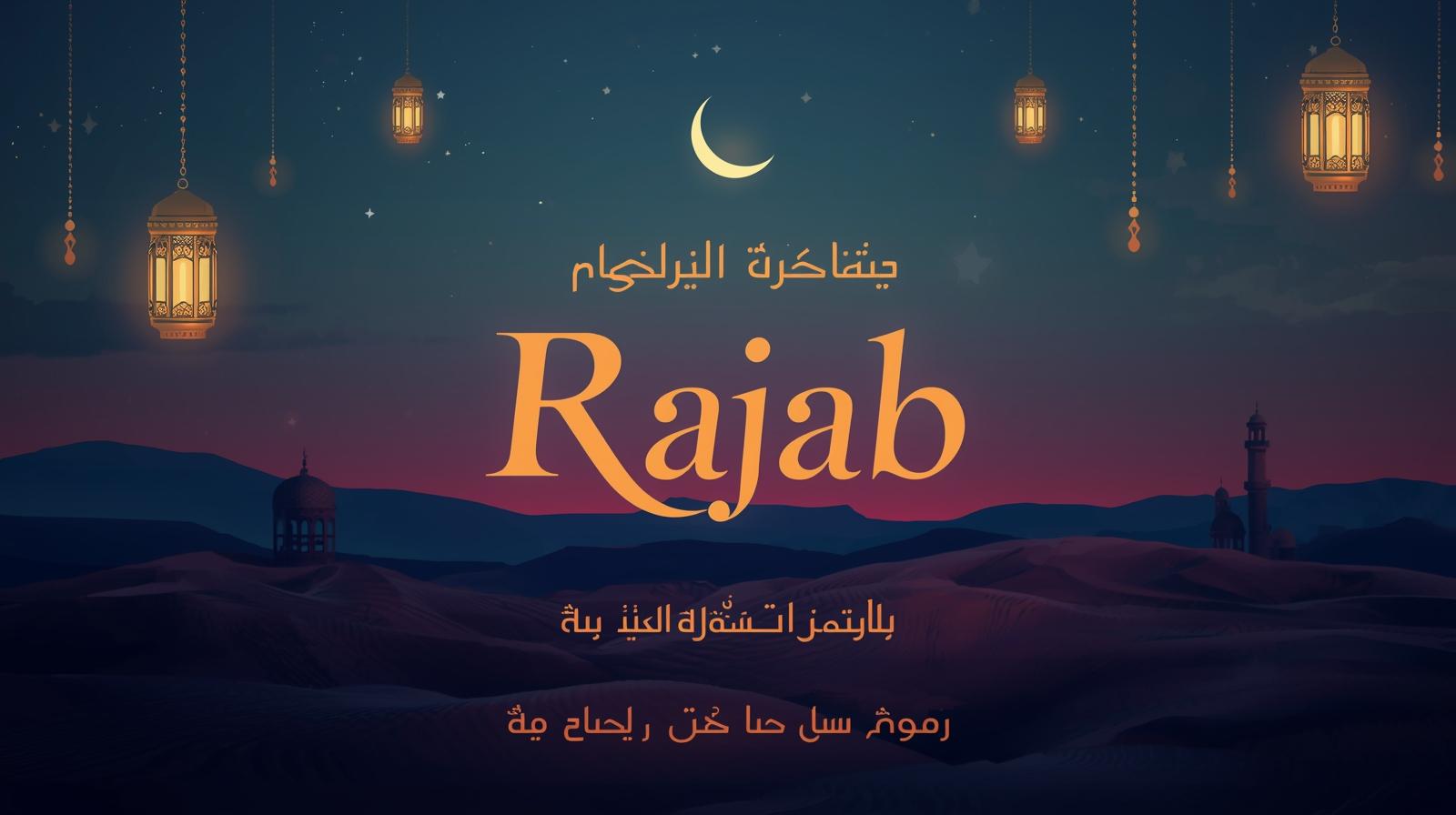
Rajab is one of the special months in the Islamic calendar. It is a time for Muslims to slow down, reflect on their faith, and prepare their hearts for the blessed months ahead. Many believers inquire about the significance of Rajab and how they should spend this month in a way that pleases Allah. Understanding Rajab allows us to connect more deeply with our religion and serves as a reminder that time itself is a gift from Allah.
Rajab is one of the four sacred months mentioned in the Quran. Allah states that out of the twelve months, four are sacred, and Rajab is one of them. These sacred months are periods of peace, reflection, and increased reward for good deeds. Sinning during these months carries more weight, so Muslims are advised to be especially careful with their actions, words, and intentions. Rajab comes before… Sha’ban and Ramadan, which makes it a beautiful preparation month. Just like someone prepares their home before welcoming an important guest, Rajab is a time to prepare the heart for the month of fasting, mercy, and forgiveness.
One of the most significant events associated with the month of Rajab is Al-Isra wal-Mi’raj, the miraculous night journey of Prophet Muhammad ﷺ. On this night, the Prophet ﷺ was taken from Makkah to Jerusalem and then elevated to the heavens by the command of Allah. During this extraordinary journey, Salah (prayer) was made obligatory for the Muslim Ummah
This highlights the importance of Rajab, serving as a reminder of the gift of prayer and our direct connection with Allah. Salah is not merely an obligation; it is a mercy, a source of comfort, and a daily meeting with our Creator.
Many Muslims wonder if there are specific fasts or prayers that must be performed during Rajab. Islam advises us to be cautious and adhere to authentic guidance. There is no obligatory fast or special prayer that the Prophet ﷺ designated exclusively for Rajab. However, fasting during this month is permitted and rewarded, as fasting is a commendable act in any month, especially during a sacred time.
The Prophet ﷺ appreciated voluntary fasting, and fasting on certain days in Rajab, with the intention of pleasing Allah, is a commendable practice. It is important to avoid the belief that certain fasts or practices are compulsory without clear evidence supporting that claim.
Rajab is a significant time for repentance (tawbah). As it is a sacred month, many scholars encourage believers to return to Allah, abandon their sins, and cleanse their hearts. Repentance does not require a special date; it simply needs a sincere heart.
This month presents an opportunity to:
Correct your intentions steps taken in Rajab can lead to big changes by the time Ramadan arrives, insha’Allah.
Ask Allah for forgiveness
Leave behind bad habits
Improve your prayers
Increase your remembrance of Allah
Parents can use the month of Rajab as an opportunity to teach their children about the Islamic calendar and the importance of time. By explaining what makes Rajab special, children can learn that Islam is not only about performing rituals but also about being aware and disciplined. Simple conversations about prayer, good manners, and preparing for Ramadan can leave a lasting impression on young hearts.
Another important lesson of Rajab is the emphasis on avoiding sins and acts of injustice. Since it is a sacred month, Muslims are encouraged to manage their anger, refrain from gossip, avoid arguments, and practice patience. Cultivating self-control over one’s speech and emotions during Rajab helps build strong character. In sacred times, Allah places respect and peace in their lives.
Rajab reminds us that faith is a journey. It teaches us that change does not happen suddenly. First comes Rajab, which fosters awareness; then comes Sha’ban, which encourages consistency; and finally, Ramadan brings transformation. Those who make the most of Rajab often find that they experience Ramadan more deeply and benefit from it more fully.
The month of Rajab serves as a gentle reminder from Allah to pause, reflect, and turn back to Him. It is not a time for heavy obligations, but rather a month for awareness, repentance, and preparation. By increasing our good deeds, avoiding sins, and strengthening our connection with Allah, we ready our hearts for the blessings that lie ahead.
May Allah allow us to experience Rajab with sincere hearts, reach Ramadan with strong faith, and accept our efforts. Ameen.