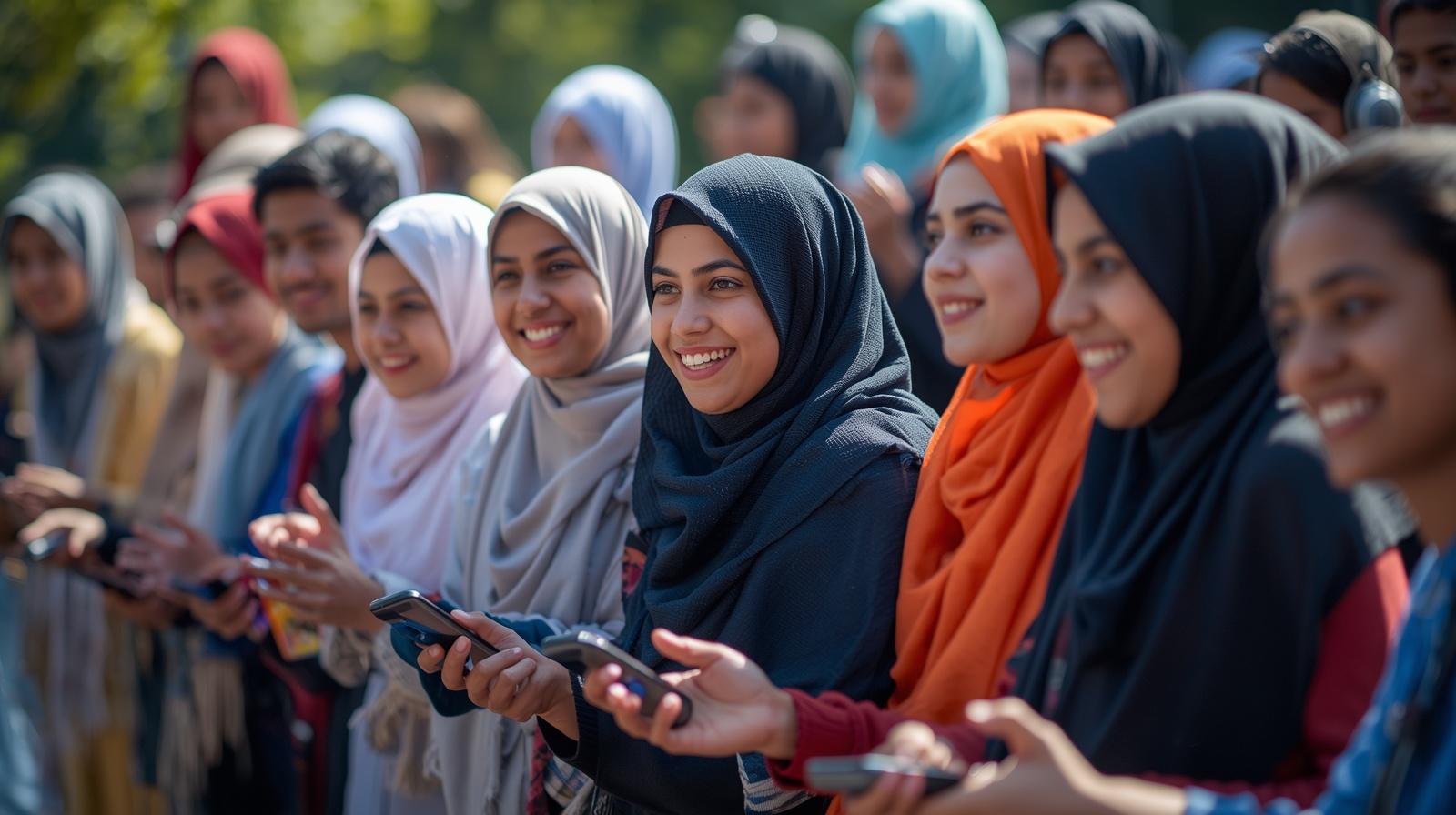
In today’s rapidly changing world, Muslim youth find themselves facing significant challenges and opportunities shaped by their faith, cultural heritage, and the global landscape. This article explores the major issues impacting Muslim youth today, including struggles with identity, societal expectations, and aspirations for education and careers. By examining their perspectives and innovative approaches to these challenges, we aim to offer valuable insights and practical solutions for Muslim youth and their supporters. Join us as we uncover the key factors influencing the lives of Muslim youth and the strategies they use to navigate this dynamic environment.
1. Exploring Identity and Representation Exploring Identity and Representation
Cultural Identity: Muslim youth have a strong awareness of their artistic and religious identities. They seek representation in media, politics, and public spaces that accurately reflects their diverse experiences. The absence of authentic representation often results in misunderstandings and stereotypes, making it essential for their stories and identities to be portrayed accurately.
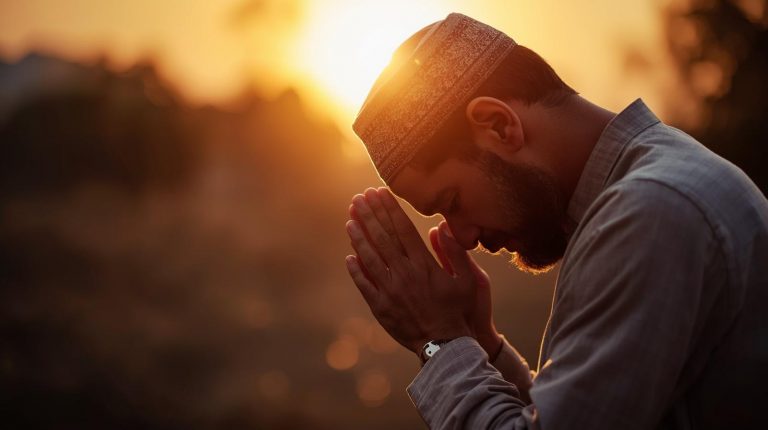
Religious Expression:Balancing modernity with religious practices is a common challenge for many young Muslims. They desire to practice Islam authentically while also engaging with contemporary society. This can include wearing a hijab, fasting during Ramadan, and participating in Islamic rituals, all while remaining connected to global youth culture.
2. Exploring the Vital Pursuit of Social Justice and Equality
Combatting Islamophobia: IIslamophobia and discrimination are serious issues that need attention. Muslim youth are actively speaking out against stereotypes and are looking for allies in the larger fight for social justice. They are leading campaigns against hate crimes and systemic discrimination, utilizing social media and community activism to raise awareness.
Global Justice: The plight of Palestinians, the Rohingya crisis, and the treatment of Uyghurs are pressing issues that resonate deeply. Young Muslims actively advocate for human rights and justice around the world, frequently using their platforms to raise awareness and mobilize support for these causes. Their activism is grounded in the Islamic principle of standing against oppression.
3. ecological sustainability
environmental conservation
Climate Change:Environmental sustainability is a significant concern for Muslim youth. They view protecting the environment as a religious obligation, highlighting the Islamic principle of stewardship of the Earth (Khilafah). Many are actively engaged in environmental activism, advocating for sustainable practices within their communities and beyond.
4. Mental Health
Breaking the Stigma: Mental health is increasingly recognized as crucial among Muslim youth. They are working to break the stigma around mental health issues within their communities, advocating for more resources and support systems. This includes integrating spiritual, mental, and physical health for holistic It’s heartening to see Muslim youth increasingly acknowledging the importance of mental health! They are passionately tackling the stigma surrounding mental health issues and advocating for essential resources and support. Their efforts beautifully combine spirituality, mental well-being, and physical fitness, emphasizing a holistic approach that truly fosters overall wellness in their communities. Together, they’re making a positive impact! well-being.
5. Education and Career
Educational Opportunities: Access to quality education is a top priority. Muslim youth are dedicated to achieving academic excellence and pursuing careers that enable them to make meaningful contributions to society. They look for educational institutions and programs that respect and accommodate their religious practices.
Ethical Careers: Many young Muslims are looking for careers that reflect their values, particularly in areas like the non-profit sector, healthcare, and other fields focused on social good. They are motivated to pursue professions that enable them to make a positive impact in their communities and society as a whole.
6. Exploring the Wonders of Technology and Innovation!
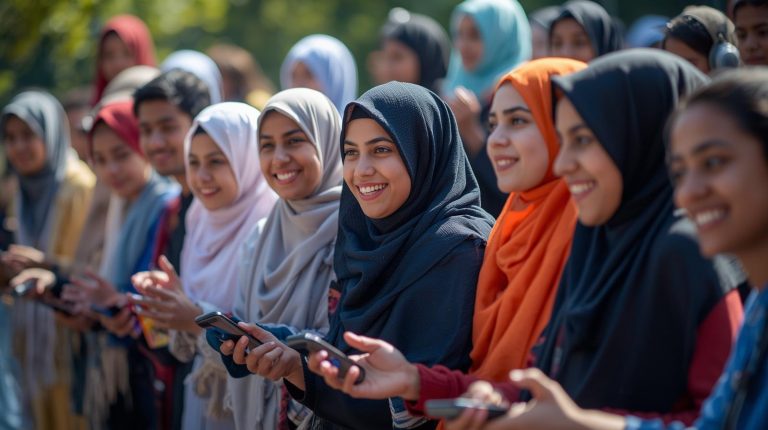
Digital Engagement: As digital natives, Muslim youth utilize technology for activism, education, and community development. They engage with social media platforms to raise awareness and mobilize support for various causes, creating content that informs, inspires, and encourages dialogue.
Innovation: There is a growing interest in leveraging technology to address challenges and enhance lives. Young Muslim entrepreneurs are making significant advancements in various tech sectors, creating products and services that respond to the needs of their communities. Their initiatives range from developing apps for Islamic education to creating innovative solutions for social issues.
Exploring the Distinctions Between Muslim and Non-Muslim Youth
Religious Influences: Youth in the Muslim community often seek guidance from Islamic teachings during their decision-making processes, which influences their views on social, political, and personal issues. This spiritual guidance offers a framework for tackling contemporary challenges in ways that are consistent with their beliefs.
Community and Rituals: Religious practices such as prayer, fasting, and community gatherings are essential to the lives of many individuals. They offer a sense of purpose and help foster a strong sense of community, which may differ from the experiences of non-religious peers. These practices help cultivate a deep sense of identity and a connection to cultural heritage.
Cultural Dynamics: The Muslim community is diverse, encompassing various ethnicities, languages, and cultures. This multicultural background influences their worldview, often leading them to balance multiple cultural identities and integrate aspects of their heritage with broader society.
Political Engagement:Both Muslim and non-Muslim members of Generation Z are politically active, but Muslim youth tend to be more involved in combating Islamophobia, addressing foreign policy issues that impact Muslim-majority countries, and defending civil liberties. They approach activism with an intersectional perspective, acknowledging the interconnectedness of various forms of oppression.
Values and Ethics: Their actions are guided by Islamic ethical principles, including honesty, compassion, and justice. These values shape their personal and professional lives in ways that may differ from those of non-Muslim youth. They aim to adhere to the moral and ethical teachings of Islam in all aspects of their lives.
Community and Support Systems: The Muslim community often offers strong support systems through mosques, Islamic centers, and community organizations. These networks play a significant role in their lives by providing social, emotional, and spiritual assistance. Family is central to their culture, and strong familial bonds influence their choices while also serving as a safety net.
Muslim youth are skilfully navigating a complex world, balancing their religious values with the demands of modern society. They are taking the lead in addressing crucial issues such as social justice, environmental sustainability, and mental health, all while maintaining a strong sense of identity and community. Their actions and perspectives, rooted in faith and cultural diversity, inspire their commitment to creating a better world. This unique approach distinguishes them from their non-Muslim peers in significant ways. As Muslim youth continue to rise, their individual voices and contributions are set to make a lasting impact on the global stage, shaping a more inclusive and equitable future.
About the Author