
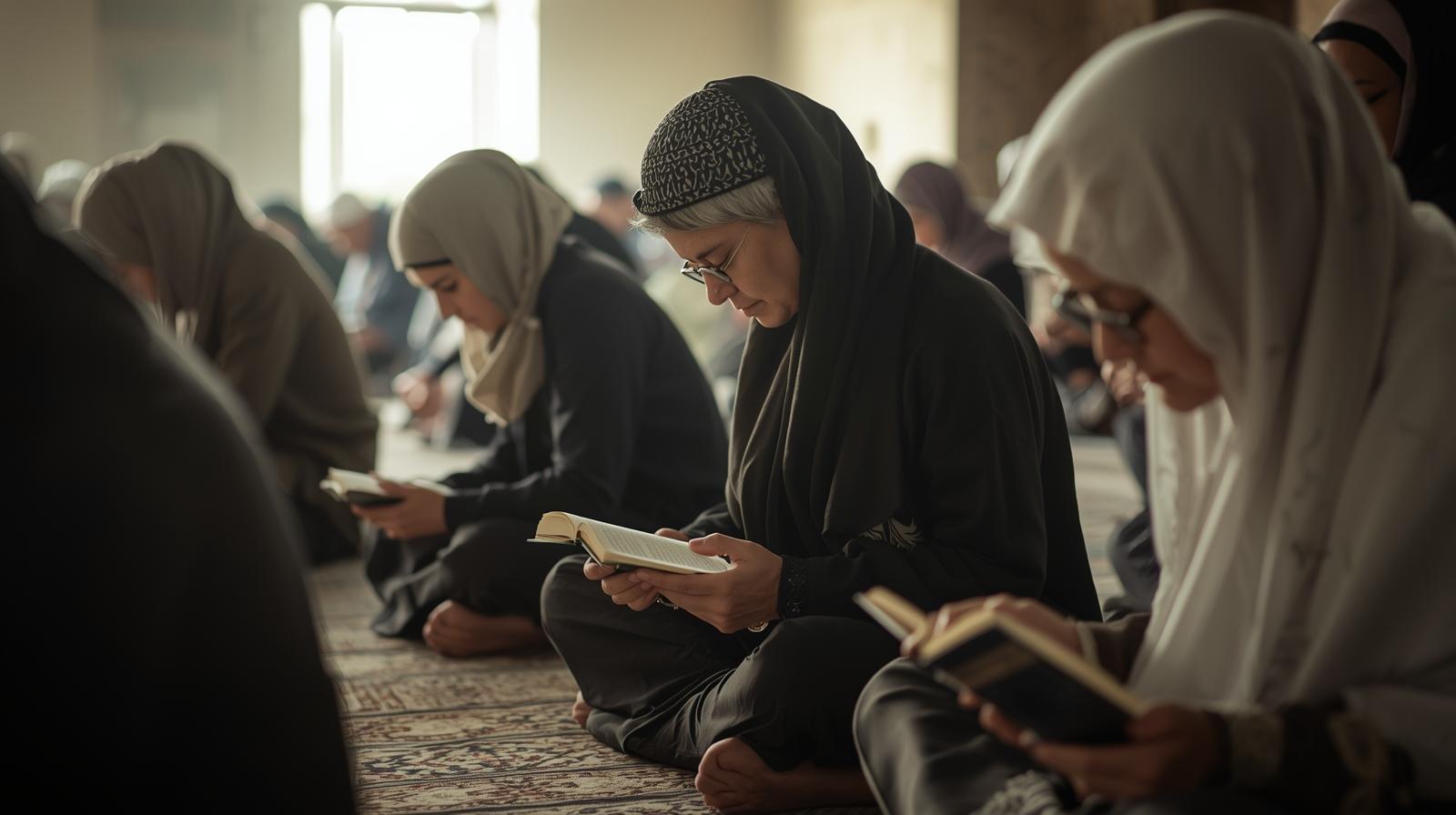
Curious about building lasting habits rooted in both science and Islamic wisdom? Discover the art of habit formation with tips on starting small, staying consistent, and creating routines that uplift your faith and daily life. Learn how the habit loop can help you establish meaningful practices.

Building habits is essential for achieving long-term goals, fostering personal growth, and cultivating spiritual discipline. For Muslims, habit-building is closely connected to our faith, motivating us to maintain consistency in worship, self-care, and community engagement. This comprehensive guide explores the science of habit formation and offers practical tips for incorporating beneficial habits into both your spiritual and daily life. It covers everything you need to know about habit-building from both psychological and Islamic perspectives.
The Science of Habit Formation
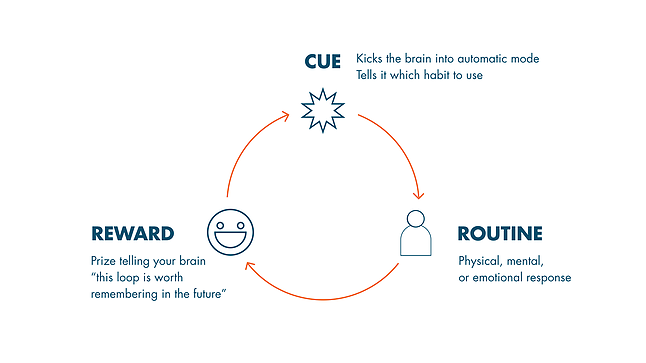
Habit formation involves more than just willpower; it is deeply rooted in the brain’s neurobiology. Psychologists and neuroscientists describe a ‘habit loop’, which is a cycle of cues, routines, and rewards that reinforces behaviour.
- Cue: A cue is a trigger that initiates a behavior. For instance, placing your Quran on the nightstand serves as a cue to memorize a verse or two.
- Routine: The routine is the behavior itself, which in this case involves actively memorizing the verses.
- Reward: The reward is the benefit gained from the behaviour. The satisfaction and Fulfillment that come after successfully memorizing your chosen portion act as the reward, helping to reinforce the habit.
As habits become ingrained, our brain activity shifts from the prefrontal cortex, which is responsible for decision-making, to the basal ganglia, an area linked to automatic behaviors. This transition means that, over time, habits become less conscious and more automatic, allowing us to conserve brain energy and perform daily actions with less effort.
Key Studies on Habit Formation
Psychological studies highlight the time and effort involved in habit formation:
- Lally et al. Study (2009): This study found that, on average, it takes about 66 days to form a habit, although this duration varies significantly based on the complexity of the habit. For example, simpler habits, such as drinking water, were established more quickly than more involved habits, like exercising.
- UCL Energy Balance and Cancer Study: In this study, participants chose simple health habits to practice daily. The findings showed that habits strengthen over time, even if participants missed some days. Notably, simpler actions became habitual more quickly than complex routines.
These studies remind us that patience and consistency are essential. Simple actions are generally easier to maintain and reinforce over time, making them ideal starting points for anyone looking to form new habits.
An Islamic Perspective on Habits
Islam emphasizes the importance of consistency in actions, even if they are small. The Prophet Muhammad ﷺ said, “The most beloved of deeds to Allah are those that are consistent, even if they are small.” This hadith encourages us to prioritize regular, sustainable actions over occasional grand gestures.
Another important principle in Islam is niyyah, or intention. Actions are judged by the intentions behind them, making it crucial to approach any habit with a clear purpose. For instance, praying or giving charity regularly with the intention of drawing closer to Allah can transform these acts into powerful, rewarding habits.
Principles of Effective Habit-Building
Here are key principles supported by both psychology and Islamic teachings for building lasting habits:
- Consistency: Regularly repeat the behaviour in a specific context. The emphasis of the Prophet Muhammad (PBUH) on consistent actions, no matter how small, aligns with psychological findings on habit formation.
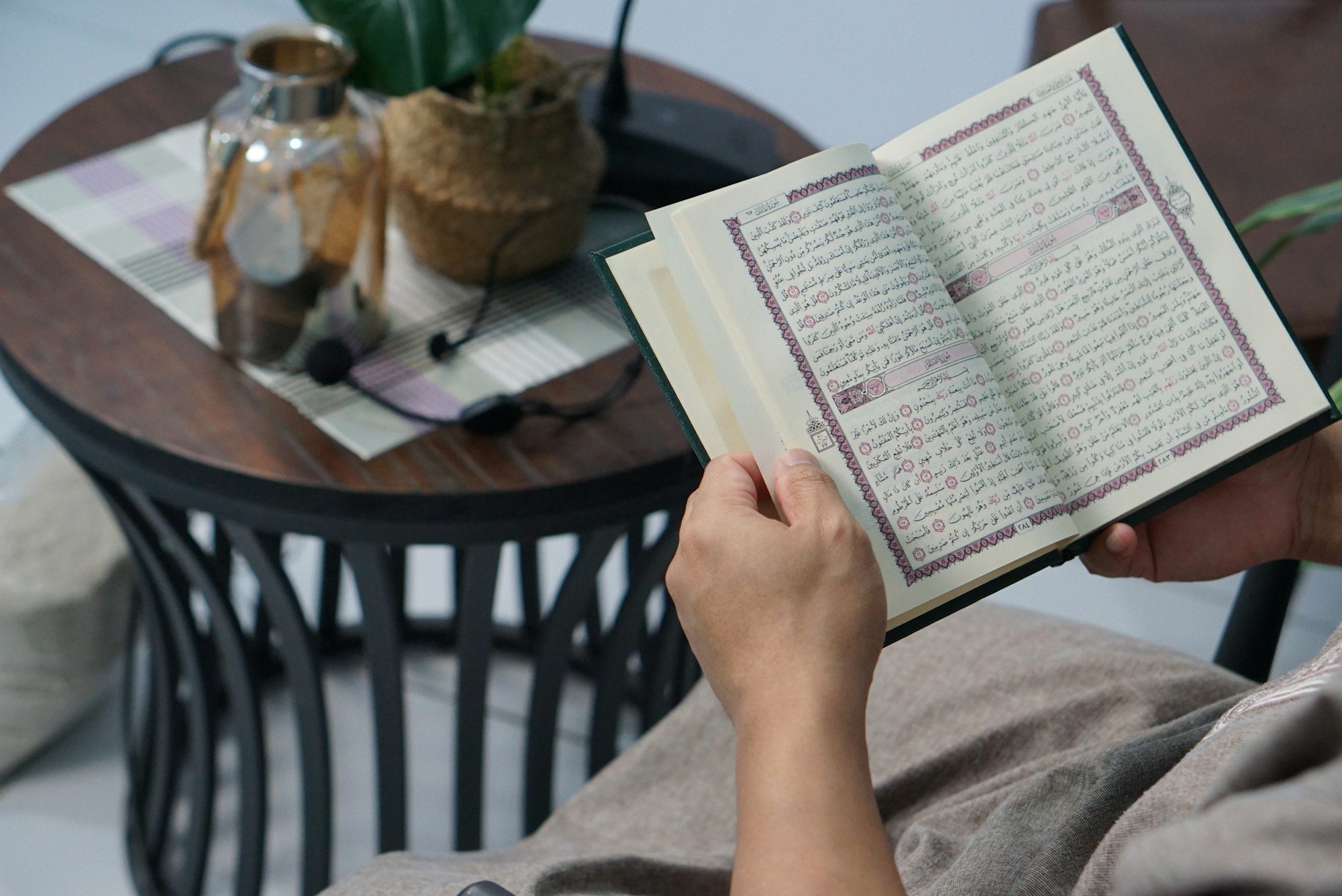
- Context-Dependence: Select specific cues or contexts to trigger the behavior. Associating a habit with certain times or places, such as reading the Quran after each Fajr prayer, makes it easier to perform consistently.
- Simplicity: Begin with manageable actions. Setting overly complex goals can lead to burnout. Instead, break down larger goals into smaller, achievable steps, like memorizing one verse of the Quran daily rather than attempting to memorize an entire surah at once.
- Patience: Understand that habits take time to form. Studies indicate that it can take anywhere from 18 to 254 days to establish a habit. If you miss a day, don’t get discouraged; instead, refocus and keep going.
Practical Applications in Daily Life
Let’s apply these principles to habits that many Muslims may wish to build:
Spiritual Habits
- Daily Quran Recitation: Set aside five minutes after Fajr or another prayer as a cue to read even a single page or verse. As this becomes routine, you may find yourself naturally increasing the time.
- Dua and Dhikr: Make supplication or remembrance of Allah a habit by pairing it with specific actions, like saying Alhamdulillah after meals or remembering Allah while walking. Habit stacking—linking new habits to established routines—makes it easier to establish consistency.
- Voluntary Fasting: For those wanting to build a fasting habit outside of Ramadan, start with one day a month, such as a Monday or Thursday, and work up from there.
Health and Well-Being Habits
- Exercise: Place workout clothes by your bed as an environmental cue for morning exercise. Make it a habit by committing to just a few minutes a day initially.
- Healthy Eating: Store healthy snacks where you can easily access them. Remove temptations, like keeping junk food out of reach, to make it easier to choose healthier options.
- Hydration: Drink a glass of water first thing in the morning by keeping a bottle on your bedside table. Over time, this small action can build into a hydration habit.
Strategies for Success
Habit-building can be strengthened by specific strategies that make desired behaviors easier and undesired ones harder.
- Habit Stacking: Link new habits to existing ones. For instance, if you already pray five times a day, stack a quick dua or Quran recitation immediately afterward.
- Environmental Design: Arrange your environment to support your goals. If you want to memorize Quran, keep a small, accessible mushaf at your desk or set up a quiet corner for prayer and recitation. Check out our blog on how to create the PERFECT environment for memorization for more tips on creating a Hifz haven
- Simplicity: Break complex habits into smaller steps. For example, instead of aiming to finish the Quran in a month, commit to one page per day and gradually build on that. More tips on building a Quran habit can be found here!
Challenges in Habit Formation and How to Overcome Them
The journey to building habits isn’t always smooth. Here’s how to tackle common challenges:
- Motivation Declines: Initial motivation is often high, but it can fade. This is where consistency and setting smaller, manageable goals come in.
- Competing Habits: Existing habits can interfere with new ones. Replace an unproductive habit with a productive one instead. For example, replace late-night screen time with a short prayer or Quran reading.
- Persistence of Old Habits: Old habits are never fully erased; instead, they can be replaced. Each time you choose the new habit over the old one, you reinforce the new behavior.
Reducing Friction and Making Habits Stick
Minimizing barriers can make habit-building smoother. Here are ways to reduce friction for desired habits and increase it for undesired ones:
- Preparation and Planning: Lay out clothes for Tahajjud prayer or prepare healthy snacks in advance. The fewer obstacles you face, the easier the habit becomes.
- Technology Utilization: Use habit-tracking apps, set reminders, or employ website blockers to avoid distractions.
- Friction for Undesired Habits: Make unwanted behaviors harder. For instance, limit social media by using screen time apps or move the TV remote out of reach.
Islamic Teachings and Habitual Worship
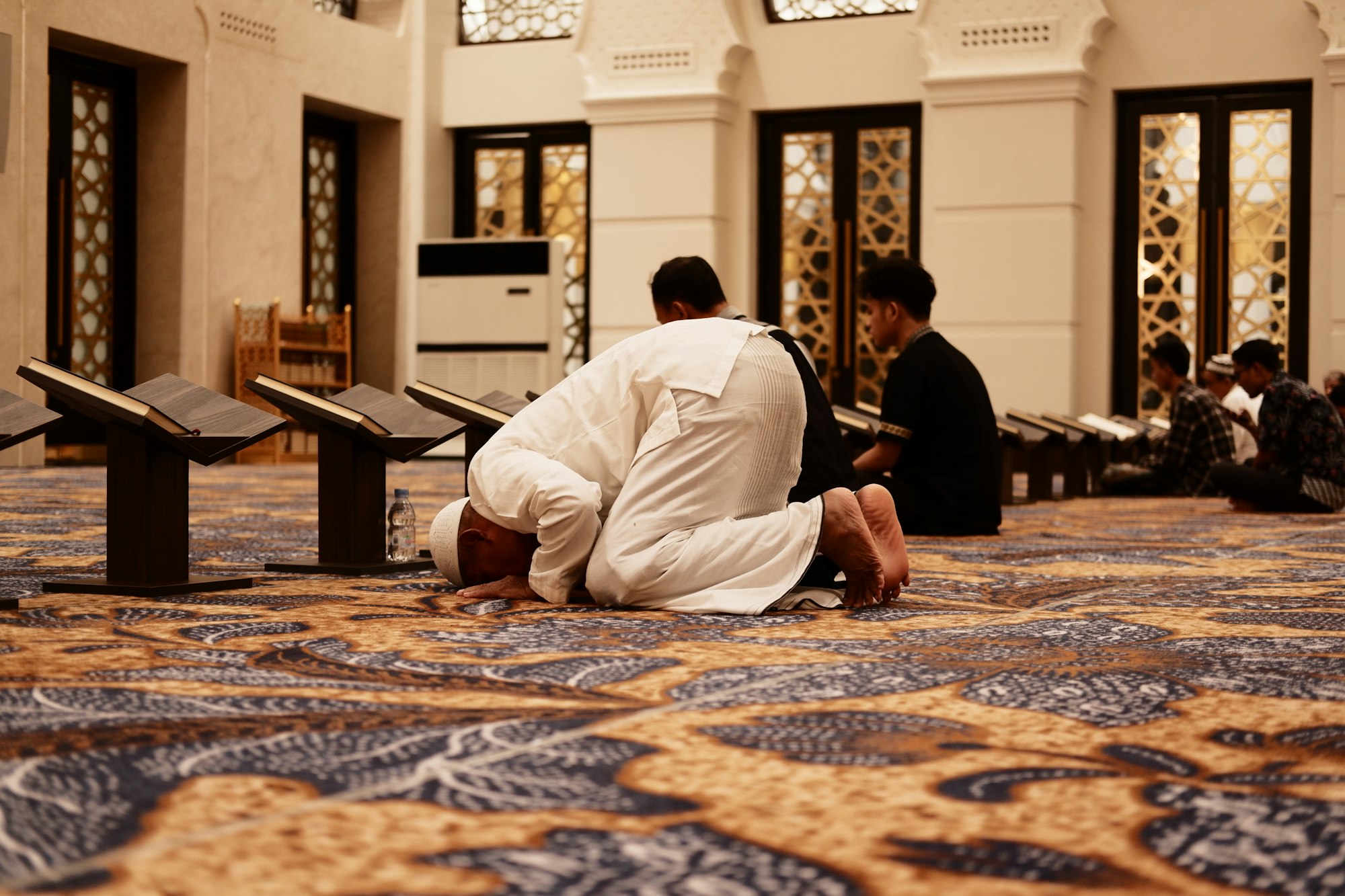
In Islam, consistent worship and the establishment of good habits are highly encouraged. The Prophet Muhammad ﷺ regularly woke up for Tahajjud, engaged in dhikr (remembrance of Allah), and recited the Quran, setting a powerful example of disciplined and intentional worship. These habits highlight the importance of prioritizing acts that bring us closer to Allah and engaging in them regularly.
A relevant Quranic verse on perseverance states, “And those who strive for Us—We will surely guide them to Our ways” (Quran 29:69). This verse inspires us to remain steadfast in our efforts and seek Allah’s guidance, assuring us that every small step we take toward consistency and devotion will be rewarded.
Embracing Patience and Progress
Building habits as a Muslim is not just about personal growth; it is a spiritual journey. By combining psychological principles with Islamic teachings, we can develop habits that align with our values and bring us closer to Allah.
Remember, habit-building is a gradual process that requires patience, resilience, and, most importantly, intention. Start small, stay consistent, and allow each habit to guide you closer to the person you aspire to become. Just as Rome wasn’t built in a day, neither are habits—so give yourself time, and remember that every effort counts in the eyes of Allah.