Fiqh The Four Imams of Islam Foyjul, December 18, 2024December 18, 2024 The Four Imams of Islam: Their Teachings, Influence, and Legacy The Four Imams of Islam, also known as the founders of the four major Sunni schools of Islamic jurisprudence (fiqh), stand as towering figures in the history of Islamic scholarship. Their teachings not only shaped the practice of Islam for… Continue Reading
Fiqh What is the definition of Fiqh Foyjul, November 5, 2024 In Islam, Fiqh refers to the science of understanding and applying Islamic law (Shariah) based on divine sources. Derived from the Arabic root word faqiha, meaning “to understand” or “to comprehend deeply,” fiqh is essentially the process of human understanding and interpretation of Shariah, dealing with the practical aspects of… Continue Reading
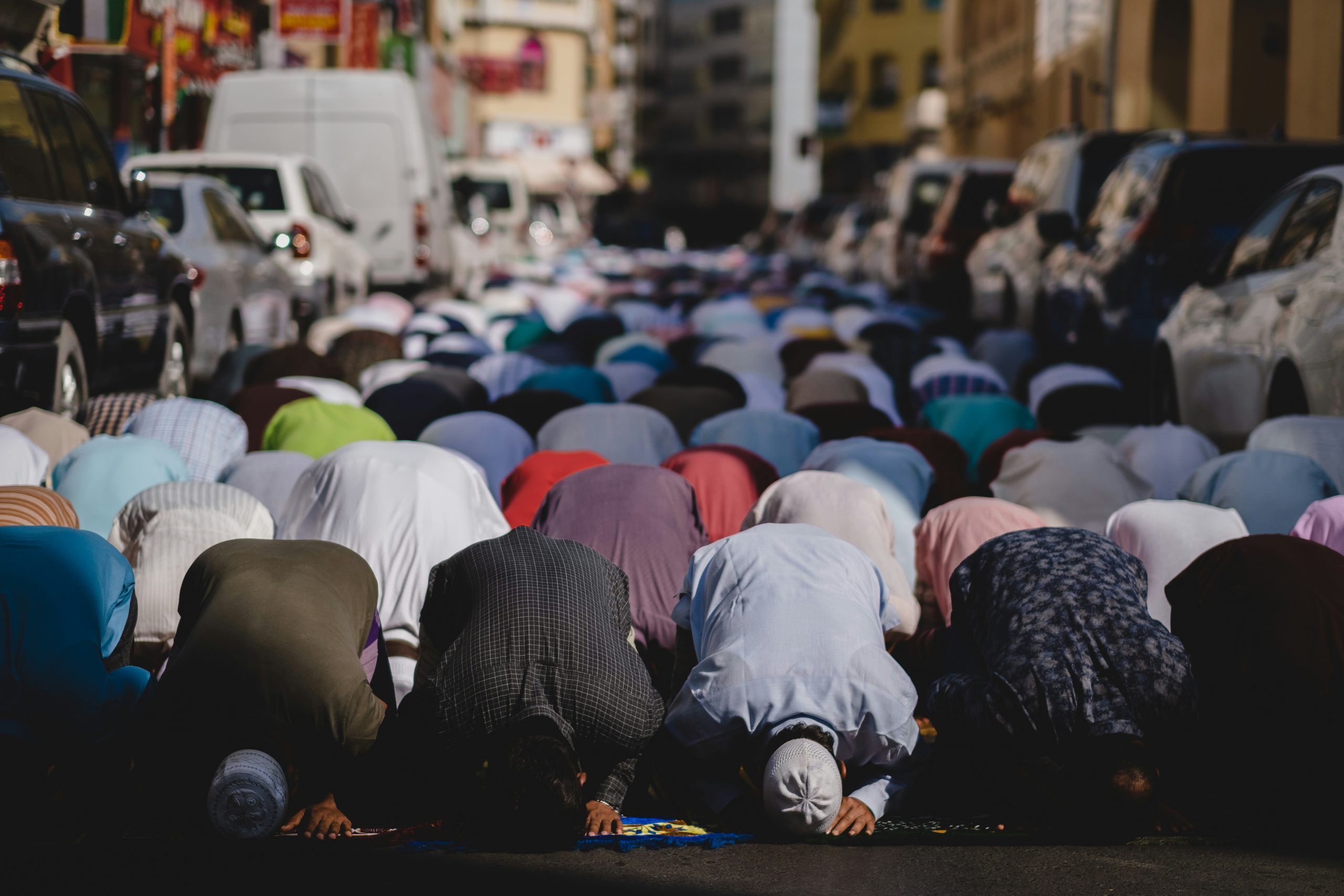
A Step by Step Guide to Salah Foyjul, November 5, 2024November 5, 2024 Praying Salah, the Islamic daily prayer, is an essential ritual for Muslims, consisting of specific physical postures and recitations. Here’s a step-by-step guide to help you pray correctly. 1. Prepare for Prayer: Perform Wudu (Ablution) 2. Make Intention (Niyyah) 3. Takbir: Start Salah by Saying “Allahu Akbar” 4. Recite Opening… Continue Reading
Dawah The Miracle of Salah Foyjul, November 4, 2024November 5, 2024 As muslims we should live every moment as our last. Especially by praying 5 times a day as it is 1 of the 5 pillars of Islam and the most important one, as Muslims has to do. Salah itself has huge benefit. It helps us spiritually, mentally and helps us… Continue Reading
Dawah Cultivating Good Characters and Manners in Islam Foyjul, August 4, 2024August 4, 2024 Introduction Character and manners hold a significant place in Islam, reflecting the moral fabric that shapes individual and community life. The Prophet Muhammad (peace be upon him) emphasized the importance of good character and ethical conduct, making them integral to a Muslim’s faith and practice. This article explores ways to… Continue Reading
Dawah Understanding Naseeb in Islam: The Concept of Destiny Foyjul, July 31, 2024July 31, 2024 In Islamic thought, the concept of “naseeb” holds significant importance. Derived from the Arabic root “nasaba,” meaning “to allot” or “to appoint,” naseeb is often translated as “destiny” or “fate.” It refers to the belief that every aspect of one’s life, from birth to death, is preordained by Allah (God)…. Continue Reading