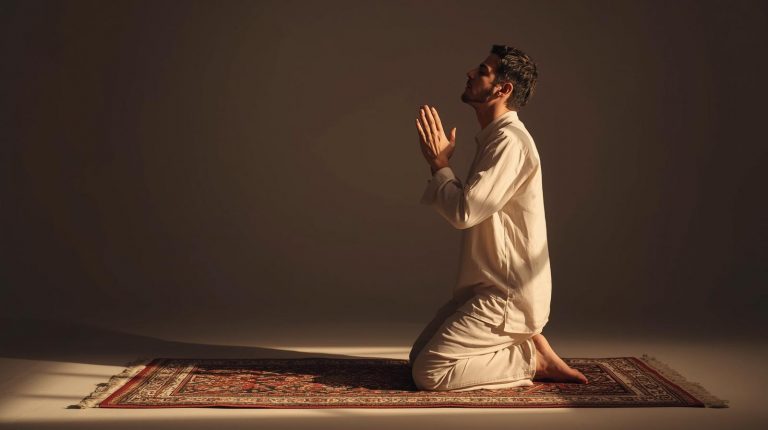

Showing off is discouraged in both the Qur’an and the Sunnah, conveying an important message about sincerity in our actions. The Qur’an reminds us of this truth when it states, “So woe to the worshippers who are neglectful of their Prayers; those who (want but) to be seen (of men)” (Al-Ma’un 107: 4-6). This passage invites us to reflect on the purity of our intentions.
Moreover, the Prophet Muhammad (peace and blessings be upon him) highlighted a crucial concern, saying that what he feared most for his followers was minor polytheism (shirk). When asked what this meant, he identified it as showing off (riya’). He warned that on the Day of Resurrection, those who sought recognition in this life would be told, “Go to those whom you desired to impress and see if you can find any good with them.” (Reported by Ahmad).
This insight encourages us to focus on genuine intentions and seek Allah’s pleasure above all. Let’s strive to embody humility in our worship and actions, ensuring they resonate from the heart rather than a desire for outward recognition.
The Fascinating Facets of Showing Off
Showing off comes in various degrees, each with its own significance. The most concerning level occurs when someone seeks attention or validation, such as a person who only prays when others are watching, neglecting this important practice in solitude.
The second degree involves an individual who desires recognition for their good deeds but finds that a hint of vanity creeps in. In this case, they might not perform the act if they were alone. Both of these attitudes are viewed unfavorably in the eyes of Allah the Almighty.
By understanding these distinctions, we can cultivate a more genuine approach to our actions, ensuring they are rooted in sincerity and humility rather than external validation. Let’s strive to align our deeds with our true intentions!
The third degree of intention involves a balanced focus on both the genuine reward for one’s actions and the desire to be recognized by others. In this scenario, a person may diminish the value of their good deed, as they remain vulnerable to sin.
However, the beauty of the third degree lies in the idea that the desire for recognition can actually inspire religious acts. Importantly, true worship continues even when no one is watching. In this case, a person is rewarded for their noble intentions while also held accountable for selfish motives.
To combat the tendency to show off, it’s essential to address it deeply in our hearts and to consciously reject such thoughts whenever they arise during acts of worship. This approach cultivates sincere intentions and reinforces our commitment to genuine faith.
To truly understand the roots of showing off, we must acknowledge that an excessive love for prestige and high status can lead us down this path. There are three key signs to watch for: a craving for the joy that comes from being praised, a strong desire to escape the discomfort of criticism, and an envious gaze toward what others possess.
Interestingly, some individuals may actually shy away from praise, yet still wish to avoid disapproval. Take, for example, someone who, despite feeling cowardly, chooses to remain on the battlefield to dodge any accusations of weakness. The best approach for both those seeking validation and those who despise criticism is to reflect deeply on their motivations for seeking attention. By contemplating the serious implications of this tendency, one can come to understand that, while it might seem gratifying in the moment, it ultimately leads to negative outcomes. Recognizing this allows us to make a wise choice to steer clear of such behaviors from the outset. Embracing authenticity over pretense not only liberates us but also enriches our relationships and self-esteem. Let’s cultivate sincerity and enjoy the true joy that comes from being ourselves!
One key reason we might find ourselves showing off is our tendency to covet what others have. Understanding that all blessings and wealth come from Allah can help us free ourselves from this unhealthy mindset. When we focus on others’ possessions, we risk losing our dignity and even true happiness, despite any material gains. Why should we trade the countless blessings from Allah for fleeting desires?
To combat the urge to show off, it’s crucial to recognize these thoughts as they arise, especially during acts of worship. This takes practice and determination, but cultivating contentment with what Allah has provided is entirely achievable. By embracing this mindset, we can shift our focus away from the praise or criticism of others. Remember, it’s essential to keep in mind that our worship is between us and Allah. Even if we feel eyes upon us, we can reassure ourselves, “What matters most is Allah’s awareness of my actions, not others’ opinions.”
By nurturing faith and self-awareness, we can cultivate a sincere and humble practice of worship that is truly fulfilling. Let’s support each other in this journey, reminding ourselves that our connection with Allah is the most important achievement we can strive for. Together, we can foster a positive and uplifting community, where we celebrate each other’s successes without envy, and grow in our faith with sincerity and joy.