
In Islam, the essence of our existence revolves around worship. As beautifully stated in the Quran, “I did not create … mankind except to worship Me” (51:56). Muslims express their devotion to God, the Creator and Sustainer of our universe, through love and sincere submission. They recognize Allah, the One and Only God, as truly unique and deserving of our worship.
Worship in Islam is a rich and all-encompassing experience. It extends beyond the traditional acts, like prayer and fasting, to include any lawful action performed with a heart full of God-consciousness, all in the hope of earning divine rewards. Embracing this perspective means that every moment can be an opportunity to connect with God, making our daily lives a beautiful expression of our faith!
The Beautiful Purpose of Worshiping Islam, worship is seen as the ultimate purpose of our lives. As stated in the Quran, “I did not create … mankind except to worship Me” (51:56). Muslims express their devotion to Allah, the all-powerful Creator and Sustainer of the universe, through acts of love and submission. Our belief in Allah’s uniqueness drives this heartfelt commitment. Worship in Islam is a rich and holistic concept; it goes beyond traditional practices like praying and fasting to encompass every lawful action undertaken with intention and reverence. This means that every good deed can be an act of worship, fostering a deep connection to God in all aspects of life!
in the Name of God, the Most Gracious, the Most Merciful
Discovering the Profound Meaning of Worship in Islam
Worship is an incredible and essential part of what it means to be human, bringing us together through our shared love for a higher power, no matter our different beliefs and practices. In Islam, worship is wonderfully expansive! It connects sacred rituals to our daily lives, showcasing a beautiful balance between spirituality and our everyday activities. In this pamphlet, we’re excited to guide you through how Islam fosters this harmony and highlight the key practices Muslims embrace to celebrate and connect with God. Come along on this enlightening journey with us to enrich your understanding of worship—it’s sure to inspire and uplift you!
The Comprehensive Concept of Worship in Islam
In Islam, worship is at the heart of our existence! The Quran beautifully emphasizes this, stating, “I did not create … mankind except to worship Me” (51:56). Muslims wholeheartedly engage in worship, expressing love and devotion to Allah, the Creator and Sustainer of all. Allah, entirely unique, is the one deserving of our worship. Embracing this purpose brings joy and fulfilment to our lives as we connect with the divine and deepen our spiritual journey!
Worshipping God is a rich and dynamic aspect of Islam! It’s not just about traditional rituals like praying and fasting; it encompasses every lawful action taken with mindfulness and the intention of seeking God’s reward. In Islam, devotion doesn’t require isolation in a place of worship or a monastic lifestyle. Instead, fulfilling our divine purpose is an exciting, everyday journey. This means that Muslims can engage in worship at any moment — be it at home, at work, or anywhere in life. This holistic approach to devotion truly makes every moment an opportunity to nurture our connection with the Almighty!
Foundations of Worship
Certain criteria determine whether an act can be considered worship. For instance, Islam teaches that the merit of a person’s action depends on the intention. Muslims believe that God looks at people’s hearts, not just their physical deeds. For an action to be regarded as worship, it must be performed with the pure intention of pleasing God. Therefore, the concept of worship in Islam encourages people to connect with God in every action they take, strengthening their bond with their Creator. In doing so, a person gains a sense of true peace that comes with carrying out their purpose in life.
Aligning Deeds With Divine Guidance
To truly align with divine guidance, we must ensure our intentions and actions match. While everyone possesses an innate moral compass, external influences can sometimes cloud our judgment. It’s important to be aware that appearances and hidden motives can distract us from what is just and ethical. Simply knowing right from wrong isn’t enough; we need to actively strive for righteousness to deepen our connection with God. Embracing this journey can lead to profound personal growth and a more fulfilling life!
The Divine Message Unveiled
In order to guide humans to His worship and to truly differentiate between good and evil, God sent prophets as teachers and role models. He also revealed holy scriptures which provide us with knowledge directly from God and serve as manuals for virtuous living. The combination of prophetic examples and divine scriptures reinforces our moral inclinations and equips us with the knowledge to discern between right and wrong. They also provide us with the criterion which enables us to assess our own motives and deeds. Above all, they teach us how to worship God and to lead a life that pleases Him.
Islam is the culmination of God’s message since the time of Adam. The God of Noah, Abraham, Moses, Jesus and all the other prophets, is the same God who sent Muhammad (peace be upon him) as His final messenger to humankind and revealed the Quran, God’s last scripture, to him. The Quran, the only divine book to remain intact in its original text, upholds the pure teachings of previous revelations. It is a testament to the continuity of God’s message from the beginning of human history, guiding people to achieve their fundamental purpose in life.
The Basis of Worship in Islam
The guidance of the Quran and the example of Prophet Muhammad (peace be upon him), whose teachings have been meticulously preserved, form the basis of worship in Islam. It must be noted here that while Muslims esteem all of the prophets sent by God, including Jesus and Muhammad (peace be upon him), they do not worship any of them. In fact, worshipping anyoneThe guidance of the Quran and the example set by Prophet Muhammad (peace be upon him) form the foundation of worship in Islam. It is important to note that while Muslims honor all prophets sent by God, including Jesus and Muhammad (peace be upon him), they do not worship any of them. In fact, worshiping anyone other than the One God is strictly prohibited in Islam. Instead, Muslims ask God to send blessings upon all messengers and prophets. besides the One God is strictly prohibited in Islam. Rather, Muslims invoke God to send blessings upon all the messengers and prophets.
Rites of Worship
Absolutely! In Islam, every facet of life can be an expression of worship when fueled by the intention to please God and aligned with the teachings of the Quran and the example of the Prophet. Additionally, there are essential rituals that wonderfully ground a Muslim’s relationship with the Divine, enriching their spiritual journey. It’s a beautiful blend of intention and action!
Quran
The Quran, meaning “the oft-repeated,” is regarded by Muslims as God’s ultimate revelation to humanity. It offers profound guidance in every aspect of life and serves as a cornerstone of worship through its recitation, study, and memorization. Integral to daily prayers, the Quran is cherished in its original Arabic while accessible translations in many languages allow even more people to experience its wisdom. Embracing the Quran invites a journey of enlightenment and connection with the divine.
Prayer
Islam enjoins Muslims to offer five prayers throughout the day at dawn, noon, mid-afternoon, sunset and night. Prayer enables Muslims to physically and mentally take a break from their worldly activities to connect with God several times a day. The prayers consist of praising God while standing, bowing and prostrating, maintaining the practice of Muhammad, Jesus, Moses and all the other prophets, peace be upon them all. On Fridays, Muslims attend a special congregational noon prayer, complete with a brief sermon.
Mosques
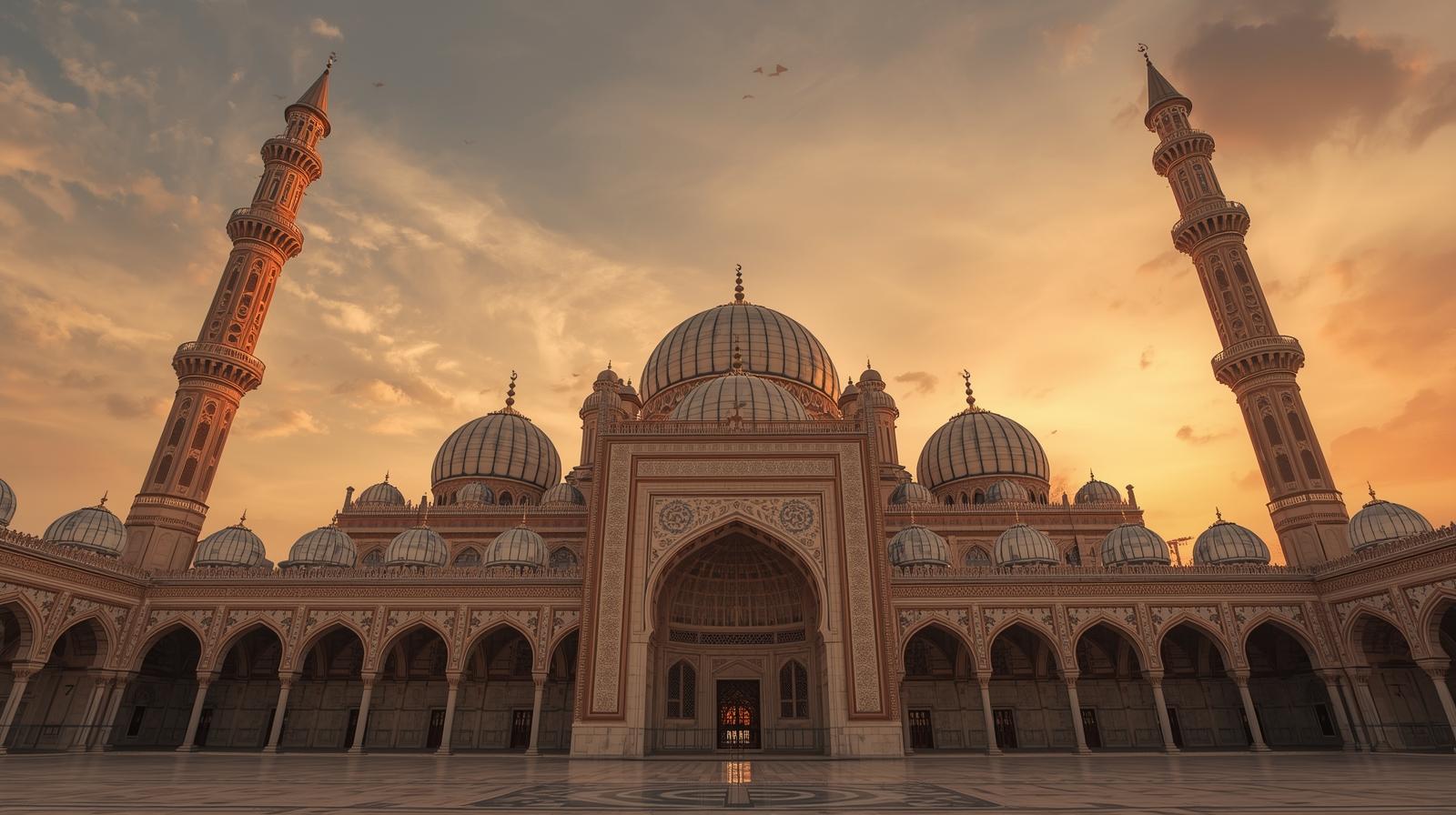
In Islam, a mosque is a cherished place of worship where many Muslims come together to pray. While some choose to pray in their homes or workplaces, mosques play a vital role as vibrant community hubs. They host engaging lectures, enriching study groups, and delightful communal dinners, fostering connection and learning. Fridays are especially lively with the congregational noon prayer, and during Ramadan, the atmosphere is filled with devotion for nightly prayers. If you’re interested in experiencing the warmth of a mosque firsthand, we’d be thrilled to help you arrange a visit!
Ramadan
During Ramadan, the ninth month of the Islamic lunar calendar, Muslims embrace the meaningful practice of fasting from dawn until sunset. This special time fosters self-discipline, spiritual renewal, and enhanced willpower. In addition to abstaining from food and drink, many focus on kindness, generosity, and overcoming negative habits, making it a wonderfully enriching experience for personal growth and community spirit.
Charity
Muslims must give 2.5% of their annual savings to help the poor, the needy and the oppressed. This act of devotion acknowledges that all wealth comes from God and purifies the soul from material greed. In addition, Islam encourages voluntary acts of charity, be they monetary or physical. A famous prophetic tradition states, ‘Smiling is charity.’
Hajj
Every Muslim has a heartfelt opportunity to embark on a pilgrimage to Mecca at least once in their lifetime, provided they are able both physically and financially. This incredible journey represents the beautiful unity of humanity, as Muslims from diverse backgrounds come together in equality, following the cherished traditions of Abraham to worship God.
Holy Days
Eid festivals are truly significant occasions for Muslims! Eid-ul-Fitr celebrates the joyous end of Ramadan, while Eid-al-Adha coincides with Hajj. Both events start with heartfelt prayers and inspiring sermons, leading to delightful meals, gift exchanges, and wonderful moments of camaraderie. They truly embody the spirit of community and joy!
Supplication
Muslims have the wonderful opportunity to connect with God directly, expressing their needs and desires anytime, anywhere. This personal relationship is a cornerstone of worship in Islam. Whether they seek guidance, comfort, or forgiveness, Muslims can reach out to God without any intermediary. This direct approach highlights the beauty of their faith and the profound sense of belonging it fosters.
Worship: A Holistic View
Worshiping God enriches our lives and continually refreshes our sense of purpose. In times of joy, we celebrate His blessings, and in challenging moments, we confidently rely on His guidance. This practice deepens our connection with the Creator, fostering gratitude for the many gifts we receive as His creations. It also cultivates essential values like patience, perseverance, and resilience, especially during tough times. Ultimately, worship invites us to embrace humility, acknowledging God as the Originator and Sustainer of the universe, and encouraging us to surrender our hearts in reverent love. Together, we can explore this beautiful journey of faith and personal growth!
Muslims consider their earthly existence as temporary and prepare for the real life ahead, the eternal life of the hereafter. As God clearly states in the Quran, He “created death and life to test you [as to] which of you is best in deed” (67:2). Salvation in Islam is connected with doing good deeds and refraining from bad ones. One who excels in goodness will be rewarded generously, but one whose evils outweigh his virtues will be punished. The fear of accountability and hope for God’s mercy in the afterlife inspires Muslims to be mindful of God in their daily lives, encouraging them to more fully worship Him.
Balancing Worship and Life
Absolutely! Islam encourages Muslims to pursue a fulfilling and balanced life in this world while earnestly working towards success in the hereafter through righteous living. Worship in Islam is a rich and encompassing concept that goes beyond mere rituals, focusing on nurturing strong moral values, fostering positive relationships, and actively contributing to just and harmonious communities. It’s a truly inspiring journey!
The All-Encompassing Worship in Islam
Worship in Islam beautifully encompasses every aspect of life! Whether it’s clearing a pathway for others, lending a helping hand, nurturing family bonds, working honestly, sharing meals with neighbors, visiting the sick, or attending funerals, each action can be a form of worship. What’s truly important is to engage in these deeds with sincere intention, aiming to please God and align with divine guidance. Embracing this perspective makes our everyday actions meaningful and filled with purpose!
Living a Spiritually Integrated Life
Islam beautifully intertwines the ‘religious’ and ‘worldly,’ viewing every action as an opportunity for spiritual growth. Whether pursuing knowledge or nurturing neighborly relationships, these endeavors are valued by God. Embracing this holistic perspective encourages individuals to avoid dishonesty and exploitation, fostering a commitment to honesty, compassion, and tolerance in all interactions. It inspires a positive and meaningful way of living that benefits not only oneself but also the wider community.
When it comes to worship, Muslims draw inspiration from the life of Muhammad (peace be upon him), the final messenger of God. He was the quintessential human being who successfully fused his ‘worldly’ and ‘religious’ acts into a seamless whole. His entire being was focused on submission to God, whether he was with his family or in the mosque. Muslims endeavor to follow his example and stay mindful of God throughout their day.
Attaining Inner Peace Through Worship
Ultimately, worship in Islam beautifully encompasses every aspect of life, turning ordinary tasks into meaningful spiritual experiences. Muslims gracefully balance their devotion and daily responsibilities, recognizing their accountability to God in the hereafter. By embracing their true purpose of worshiping the Creator, they discover a deep sense of peace and fulfillment—an incredible gift that comes from honoring the One who is truly worthy of worship. It’s a transformative journey that inspires joy and purpose in every moment!.
“… Truly it is in the remembrance of God that hearts find peace.” (Quran, 13:28)
Note: The “peace be upon him” next to Prophet Muhammad represents the invocation Muslims say with his name as a form of respect