1. U.S. Moves to Designate Muslim Brotherhood Chapters as Terrorist Organizations
The Trump administration has initiated a formal process to determine whether several national chapters of the Muslim Brotherhood—particularly in Egypt, Jordan, and Lebanon—should be listed as foreign terrorist organizations. This move comes through an executive order directing federal agencies to review intelligence, legal frameworks, and potential political consequences. If enacted, the designation would allow Washington to impose asset freezes, travel bans, and strict sanctions on members or affiliates, significantly changing how the U.S. interacts with groups tied to political Islam.
The move is expected to reshape U.S. relations with key Middle Eastern governments, many of which already classify the Brotherhood as a threat, while others—such as Qatar and Turkey—have historically tolerated or engaged with its political wings. Critics warn the designation could blur lines between political opposition and violent extremism, while supporters say it will curb Islamist militancy and foreign influence.
2. Jordan Formally Bans the Muslim Brotherhood
Jordan has officially banned the Muslim Brotherhood, dissolved its political party (the Islamic Action Front), and begun confiscating its properties after accusing members of involvement in military-style training for rockets and drones. Authorities argue that the group has violated national security laws and operated without proper registration. This marks one of the most direct crackdowns on the Brotherhood in the region and represents a dramatic shift in Jordan’s internal political landscape.
The ban also comes at a time of heightened regional instability and reflects Jordan’s growing alignment with Gulf states that oppose the Brotherhood. The suppression of its largest opposition group may reduce domestic political pluralism, but the government insists the measures are necessary to preserve stability. Meanwhile, Brotherhood sympathizers warn that excluding moderate Islamist voices could radicalize younger supporters.
3. COP30: Climate Tensions and Indigenous Protests
COP30 was held in Belém, Brazil, where global leaders gathered to negotiate climate commitments and funding mechanisms. The conference faced intense pressure to establish binding frameworks for phasing out fossil fuels, but ultimately settled on voluntary national roadmaps—seen by activists as a compromise that falls short of the urgent action required to meet temperature-reduction targets. Major issues included climate finance, forest protection, and protecting vulnerable communities from climate-driven disasters.
Indigenous groups played a central role, given the Amazon’s global ecological importance. However, the event was overshadowed by accusations that UN security forces cracked down on Indigenous-led protests demanding stronger safeguards for their land and sovereignty. These accusations sparked global criticism and renewed calls for climate diplomacy that centers marginalized groups rather than excluding them from decision-making.
4. Morocco’s Gen Z Protests Over Public Services
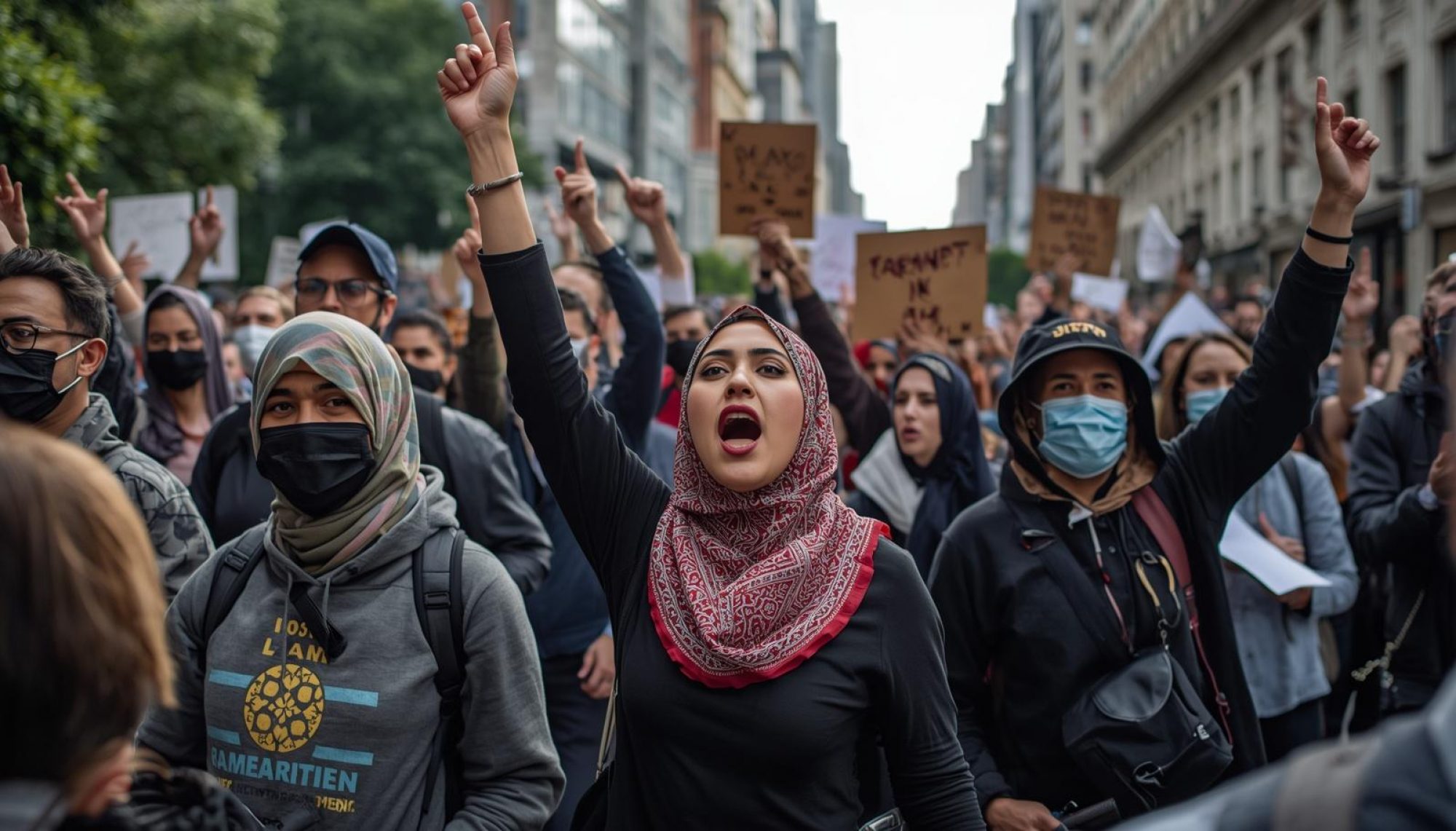
Large youth-led protests have swept across Morocco, driven primarily by Gen Z activists demanding improvements in healthcare, education, and social services. Protesters argue that the government prioritizes high-profile investments—such as stadiums and mega-projects—over essential public infrastructure. Their grievances have resonated widely, with demonstrations described as some of the most significant since the Arab Spring-era mobilizations.
The movement highlights a growing generational divide, as young Moroccans express frustration over unemployment, inequality, and lack of political representation. This pressure has put the government on the defensive: while officials acknowledge the country faces structural challenges, they warn that unrest could damage economic stability. Analysts see this as a test of whether Morocco’s political system can adapt to youth-driven demands for transparency and accountability.
5. Anti-Hamas Protests Inside Gaza
In a surprising development, thousands of Palestinians in Gaza—especially in northern regions like Beit Lahiya—have protested against Hamas, chanting slogans such as “Hamas out” and demanding an end to war and displacement. These protests reflect growing frustration over years of conflict, economic collapse, and lack of basic services such as electricity, clean water, and medical care. Many participants say they want peace and freedom of movement rather than continued militant governance.
The demonstrations are significant because open dissent in Gaza is rare and often met with strong reprisals. Their emergence suggests deepening dissatisfaction among civilians who feel trapped between Hamas’s rule and external military pressures. International observers say the protests underscore the need for renewed diplomacy focused on humanitarian relief and political rights for Gazans.
6. Yemen: Houthis Shift Tactics and Crack Down on Civilians
In Yemen, the Houthi movement has paused attacks toward Israel following regional ceasefire developments, but has intensified internal crackdowns in areas under its control. Reports indicate an increase in arrests of UN staff, aid workers, and civil society members, especially in the capital, Sanaa. This marks a shift from external military operations toward consolidating domestic control through surveillance and repression.
Humanitarian organizations warn that such actions jeopardize already fragile relief operations in a country facing severe famine risks and health system collapse. With millions dependent on food and medical aid, any disruption poses immediate consequences. The Houthis’ tightening control reflects their growing ambition to cement long-term political power, even as peace talks remain stalled.
7. Rising Extremism Concerns & Human Rights Issues
A recent report indicates that ISIS-linked groups are using artificial intelligence tools to target and radicalize young people in Western countries, including the United Kingdom. These technologies allow extremist recruiters to automate messaging, mimic youth communication styles, and spread propaganda more effectively. Counterterrorism officials warn that AI-driven recruitment poses a new challenge that traditional monitoring tools may struggle to address.
Meanwhile, in Afghanistan, the Taliban continue to enforce strict interpretations of Shariah, including public floggings for alleged crimes such as adultery and theft. Human rights groups say these punishments highlight the Taliban’s refusal to adopt international norms despite earlier promises of moderation. The actions have fueled concerns about worsening repression, particularly against women and minorities, as the Taliban consolidates full control over the judiciary and security apparatus.
8. Islamic Finance & Halal Economy Developments
Colombia has recently secured halal certification for its coffee and cocoa products, enabling expanded exports to Muslim-majority markets in the Middle East and Asia. This marks a new phase in Colombia’s trade diversification strategy and signals growing global demand for halal-compliant supply chains. The certification opens economic opportunities while strengthening ties between Latin America and the Islamic world.
In parallel, Hong Kong is exploring Islamic finance as part of efforts to diversify its financial sector. Officials have expressed interest in issuing sukuk (Islamic bonds) and integrating Shariah-compliant investment structures into major infrastructure projects. This comes as Malaysia updates its own Shariah governance frameworks, reinforcing Southeast Asia’s role as a hub of Islamic banking innovation.
9. G20 Summit in Johannesburg: Global Governance Reform
The 2025 G20 Summit in Johannesburg emphasized themes of solidarity, equality, and sustainable development. Although leaders from major powers like the U.S., China, and Russia were absent, the summit still produced a declaration focusing on reforming global institutions—including the IMF and World Bank—to better represent developing nations. Debt relief, climate financing, and industrial diversification were also high on the agenda.
The summit’s outcomes reflect a shifting multipolar order in which emerging economies—especially from Africa and the Global South—demand greater influence. The absence of key leaders raised questions about global coordination, but the strong participation from middle-income countries signaled a growing push for more inclusive economic governance.
10. Saudi Arabia Accelerates Green Hydrogen Megaproject
Saudi Arabia continues to invest heavily in green hydrogen, particularly through its flagship NEOM project. Set in the Oxagon district, the initiative aims to become one of the world’s largest producers of hydrogen derived entirely from renewable energy sources. This aligns with the kingdom’s Vision 2030 program, which seeks to diversify the economy away from oil and establish leadership in future clean-energy technologies.
If successful, the project could transform global energy markets by making Saudi Arabia a major exporter of green fuel while reducing its carbon footprint. However, analysts note that the initiative faces technical and economic challenges, including high production costs and the need for global hydrogen infrastructure. Nevertheless, the project represents a bold attempt to retain geopolitical influence in a post-oil world.
🏅 Latest Sport News
- Islamic Solidarity Games Conclude in Riyadh
The 6th Islamic Solidarity Games wrapped up on 21 November 2025 in Riyadh, Saudi Arabia, bringing together over 3,000 athletes from 56 countries across 21 sports. These Games are a major event for the Muslim world, promoting unity (“One Ummah” was the slogan) while showcasing rising sporting talent from Islamic countries. - 2025 Summer Deaflympics Underway in Tokyo
The 25th Summer Deaflympics is currently taking place in Tokyo, running from 15 November to 26 November 2025. This edition marks the 100 year anniversary of the Deaflympics, and it’s the first time Japan has hosted the Summer Deaflympics — a major moment for the deaf sports community. - Rugby, Chess & F1 Headline Major Weekend Events
Wales’ Louis Rees-Zammit is back in the national rugby squad after a stint pursuing the NFL, ahead of big autumn internationals. At the same time, the FIDE World Chess Cup is underway in Goa (with big names competing for a spot in the next Candidates Tournament), and the UCI Indoor Cycling World Championships are being held in Germany with a focus on modernising and promoting women’s events. - Dubai to Host World’s Largest Sports Summit
Dubai is set to host a two-day “World Sports Summit” on 29–30 December 2025, announced by Sheikh Hamdan bin Mohammed. The summit will bring together sports stars, business leaders, and policymakers, reinforcing Dubai’s growing role as a global hub for sport and innovation. - Tom Brady to Return (Sort Of) — in Saudi Arabia
NFL legend Tom Brady has announced he will return to play in the Fanatics Flag Football Classic in Riyadh, Saudi Arabia, on 21 March 2026. While it’s not a full NFL return, it highlights how Saudi Arabia is using sport — especially American football — to boost its international profile and entertainment credentials. - Doping Controversy: Jannik Sinner Suspended
There’s rising debate in tennis around doping regulations after top player Jannik Sinner was given a three-month suspension for a banned substance violation. The case has reignited conversations about athlete welfare, fairness in anti-doping enforcement, and how regulatory bodies support (or fail) elite competitors. - Tennis Burnout Is Rising
According to reports, many tennis players are increasingly struggling with burnout due to a packed calendar and a lack of consensus among governing bodies on how to manage player welfare. This raises important questions about the sustainability of the tennis season and whether tour organisers will make meaningful changes to help athletes balance performance and health.
⚽ Latest Football News
- UEFA Allows Domestic League Games to Be Played Overseas
UEFA has given conditional approval for two domestic league matches to be held outside their home countries this season—La Liga will stage Barcelona vs Villarreal in Miami in December, while Serie A will play Milan vs Como in Perth, Australia, in February. While UEFA described the decision as “exceptional” and tied to regulatory gaps, the move has sparked controversy: critics worry it undermines the local fan experience and the integrity of domestic leagues. - FIFA’s Club World Cup Revamp for 2025
FIFA’s 2025 Club World Cup will feature an expanded 32-team format, and this year DAZN has been announced as the global broadcaster. The expanded format allows clubs like Chelsea and Manchester City to participate, while traditional giants like Liverpool and Manchester United will miss out, based on the qualifying criteria. - Premier League Adjusts Transfer Window for New Club World Cup
To accommodate the 2025 Club World Cup, the Premier League is implementing two separate summer transfer windows: one will run from 1–10 June (allowing clubs to register players for the tournament), then close for five days, then reopen until 1 September. This unusual arrangement is designed to help clubs participating in the Club World Cup bring in fresh players for the tournament, while also complying with FIFA’s global registration rules. - Graham Potter Back in Football, Taking Over Swedish National Team
Just weeks after being sacked by West Ham, Graham Potter has been appointed as the manager of Sweden’s national team. ( Potter’s deal is short-term, covering Sweden’s crucial final World Cup qualifying games. If Sweden makes it to the playoffs or the World Cup itself, his contract could be extended. - MLS to Align Calendar with European Football
Major League Soccer (MLS) will switch to a July-to-May season format from 2027 in order to align with European leagues and FIFA’s international calendar. As part of the change, MLS will also move from a two-conference format to a single-table structure split into five divisions, and it plans to introduce a winter break to reduce fixture congestion in cold-weather markets. - Olivier Giroud Returns to France, Signs for Lille
Veteran striker Olivier Giroud has signed a one-year deal with Ligue 1 side Lille, marking his return to French football after a stint in MLS with LAFC. At 38 years old, Giroud brings experience and leadership to Lille’s squad. In his debut for the club, he made an immediate impact by scoring in a friendly. - World Cup 2026 Qualifying: Big Developments
Norway have secured qualification for the 2026 FIFA World Cup, thanks in large part to Erling Haaland, who scored twice in a key away win over Italy. Meanwhile, several Arab countries have made history: seven Arab nations have now qualified for the 2026 tournament, underlining the region’s growing strength in global football. - UEFA Women’s Nations League 2025
The 2025 UEFA Women’s Nations League is underway, with the finals phase set to run through October to December. This tournament also plays a role in shaping qualification paths for the 2027 FIFA Women’s World Cup by influencing league placements and seeding. - Transfer Rumours Heating Up
- Kobbie Mainoo (Man Utd): Reports suggest Napoli is looking to take him on loan, with the teenager not getting enough game time in Manchester.
- Micky van de Ven (Tottenham): Spurs are reportedly offering a new contract to their centre-back, committing to him as a defensive mainstay.
- Antoine Semenyo (Bournemouth): Several clubs, including Man United, West Ham, Everton, and Roma, are linked with the Ghanaian forward for a potential January move.
- Arsène Wenger Defends FIFA’s Club World Cup Plan
Former Arsenal manager Arsène Wenger, now a FIFA executive, has defended the expanded 32-team Club World Cup format, despite criticism from players’ unions and leagues over fixture congestion and player welfare. He argues the tournament will boost global football’s reach, align with commercial interests, and provide more clubs from different continents the chance to compete on a world stage.