
We often speak of technology as the enemy of faith—a distractor that steals our time and fragments our attention. We worry about the “fitnah” of social media and the spiritual numbness caused by endless scrolling. While these dangers are real, the “Thinking Muslim” refuses to view the world in binary terms of “good” or “evil.” Tools are neutral; it is the hand that wields them and the heart that directs them that determines their value. If used with intention, technology can be transformed from a weapon of mass distraction into a powerful engine for spiritual discipline (Tazkiyah).
1. The Democratization of Knowledge (‘Ilm)
In previous centuries, a student might travel for months to verify a single Hadith. Today, we carry the entire library of Islamic history in our pockets. Technology has removed the physical friction of seeking knowledge. Searchable databases of the Quran and Sunnah allow us to verify information instantly, protecting us from innovation (Bid’ah) and ignorance.
However, access is not the same as wisdom. We must use these tools to start the journey of learning, not to replace the teacher. The Prophet ﷺ said:
“Whoever follows a path to seek knowledge, Allah will make the path to Paradise easy for him.”
(Sahih Muslim)
Technology paves this path, but we must still walk it with humility.
2. The “Quantified Self” as Spiritual Accountability (Muhasaba)
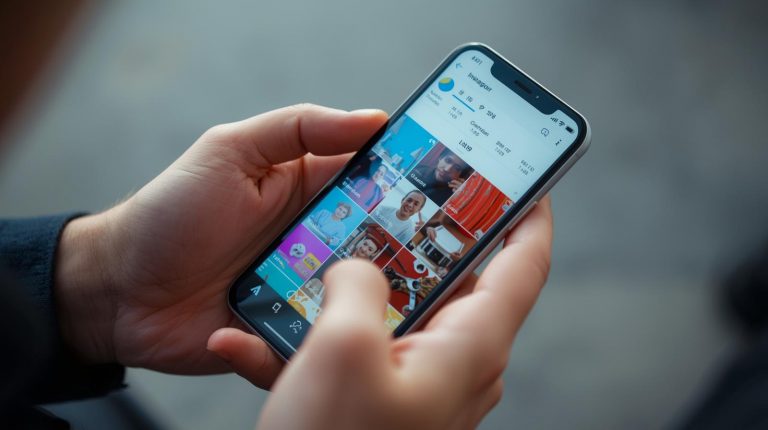
One of the most powerful aspects of modern tech is its ability to track data. We have apps that track steps, calories, and screen time. A Thinking Muslim can hijack this “quantified self” logic for Muhasaba (self-audit).Shutterstock
Imagine using a simple habit-tracker app not for fitness, but for Ibadah: Did I pray all five prayers on time? Did I read my daily page of Quran? Did I give charity? When we visualize our consistency (or lack thereof), we move from vague intentions (“I want to be better”) to concrete reality (“I missed Fajr 4 times this week”). This data forces us to confront the truth of our state before we face the Ultimate Audit. As Allah says in the Quran:
“Read your record. Sufficient is your own self against you this Day as an accountant.”
(Surah Al-Isra, 17:14)
3. The Automation of Good Deeds
The cognitive load of modern life makes us forgetful. Technology excels at automation. By setting up automatic monthly charity payments (Sadaqah), we ensure that we are constantly giving, even when we are asleep or busy. By setting recurring reminders for Dhikr (remembrance) or the “Sunnah Fasting” days (Mondays and Thursdays), we outsource the “remembering” to the machine so the heart can focus on the “doing.”
This aligns perfectly with the Prophetic advice on consistency. The Prophet ﷺ said:
“The most beloved of deeds to Allah are those that are most consistent, even if they are small.”
(Sahih Al-Bukhari)
Automation guarantees consistency, turning a sporadic good deed into a steady stream of reward.
4. The Global Ummah and Empathy
While social media can breed envy, it also shatters the walls of our comfortable bubbles. Through technology, we witness the struggles of our brothers and sisters in Gaza, Sudan, or the Uyghur region in real-time. This visual proximity makes it impossible to remain ignorant. It compels the heart to feel pain for the Ummah, which is a sign of faith.
“The parable of the believers in their affection, mercy, and compassion for each other is that of a body. When any limb aches, the whole body reacts with sleeplessness and fever.”
(Sahih Al-Bukhari)
Technology is the nervous system that connects this body, allowing us to feel the pain and respond with Dua and aid.
The Caveat: The Tool is Not the Master
We must end with a critical distinction. Technology can assist the logistics of faith, but it cannot generate the spirit of faith. An app can wake you for Fajr, but it cannot give you Khushu (humility) in prayer. A digital counter can track your Tasbih, but it cannot weigh the sincerity of your heart.
The “Thinking Muslim” uses technology as a servant, never a master. We use the phone to get to the prayer mat, but once we are there, we put the phone away. We use the algorithm to find a lecture, but we use our intellect to understand it.