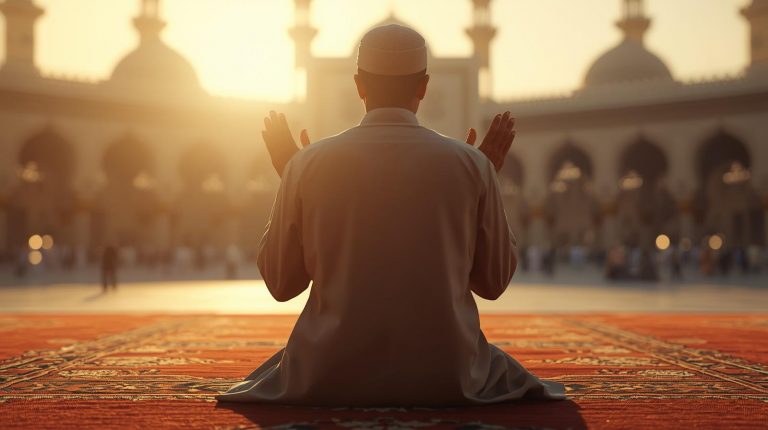
Dawah, or inviting others to Islam, is a fundamental aspect of a Muslim’s faith and practice. It embodies the essence of compassion, guidance, and enlightenment, aimed at sharing the beauty and truth of Islam with those who are not yet familiar with it. For many, this may seem like a daunting task, but understanding its significance and embracing the role can transform it into a fulfilling and spiritually enriching experience.
The Meaning of Dawah
The term “Dawah” originates from the Arabic word “daʿwa,” which means “invitation” or “calling.” In the Islamic context, it refers to the act of inviting others to understand and possibly embrace Islam. This can be done through various means, including personal interactions, educational efforts, charitable actions, and the demonstration of exemplary character.
Why Dawah is a Duty for All Muslims
- Following the Example of Prophet Muhammad (PBUH):
The Prophet Muhammad (peace be upon him) dedicated his life to conveying the message of Islam. His mission was not only to teach and guide Muslims but also to reach out to non-Muslims with the message of monotheism, compassion, and justice. By engaging in dawah, Muslims follow in the footsteps of the Prophet and honor his legacy. - Fulfilling a Qur’anic Command:
The Quran emphasizes the importance of dawah in several verses. Allah (SWT) says in Surah Al-Imran: “Let there be a community among you who invite to what is good, enjoin what is right, and forbid what is wrong. These are the successful ones.” (Quran 3:104). This verse underscores that calling others to good and truth is a collective responsibility of the Muslim community. - Sharing the Blessings of Islam:
Islam is a comprehensive way of life that provides spiritual fulfillment, moral guidance, and a sense of purpose. Sharing these blessings with others is an act of kindness and generosity. When Muslims engage in dawah, they offer others the opportunity to experience the peace and fulfillment that comes from knowing and worshipping Allah. - Counteracting Misconceptions:
In a world where Islam is often misunderstood and misrepresented, dawah serves as a powerful tool to clarify misconceptions and present the true essence of the faith. By engaging in open and respectful dialogue, Muslims can correct false narratives and foster mutual understanding and respect. - Strengthening Personal Faith:
Engaging in dawah can significantly strengthen a Muslim’s own faith. It encourages continuous learning, reflection, and the practice of Islam. When Muslims articulate their beliefs and values to others, they reinforce their own understanding and commitment to their faith.
Effective Ways to Give Dawah
- Leading by Example:
Actions often speak louder than words. Demonstrating Islamic values through kindness, honesty, and integrity can leave a lasting impression on others. When non-Muslims observe the positive impact of Islam on a Muslim’s life, they may become more curious and open to learning about the faith. - Building Relationships:
Dawah is most effective when it occurs within the context of genuine relationships. Engaging in meaningful conversations, listening to others’ perspectives, and showing empathy can create an environment where people feel respected and valued. This foundation of trust can pave the way for more in-depth discussions about Islam. - Utilizing Modern Media:
In today’s digital age, social media and other online platforms offer unprecedented opportunities for dawah. Muslims can share informative articles, videos, and personal reflections to reach a global audience. However, it is essential to approach this medium with wisdom and care, ensuring that the content is accurate and respectful. - Educational Efforts:
Organizing lectures, workshops, and interfaith dialogues can provide structured opportunities for non-Muslims to learn about Islam. Collaborating with local communities and institutions can help create spaces for open and respectful exchanges of ideas. - Providing Support and Resources:
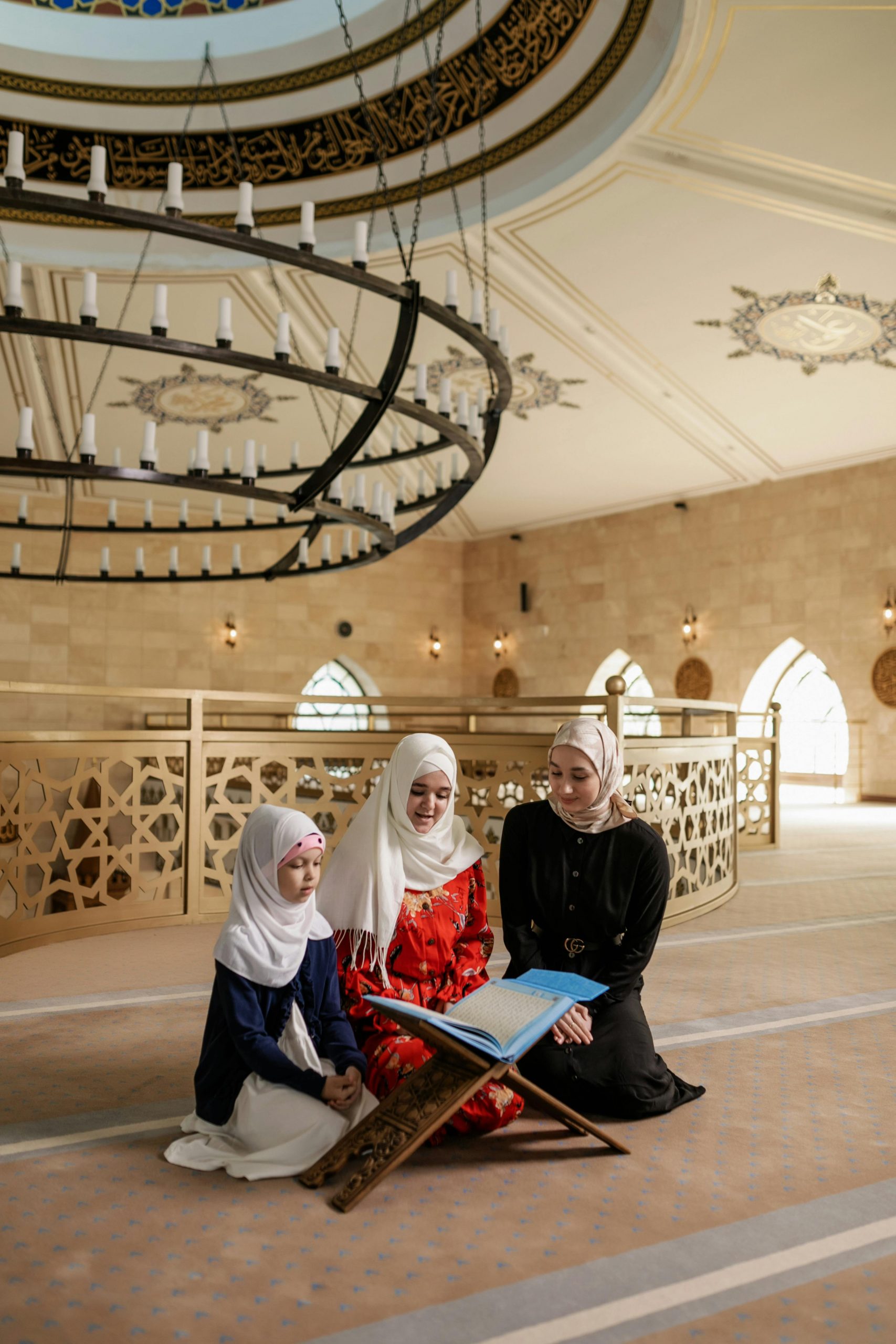
Offering literature, Qurans, and other resources to those interested in learning about Islam can be highly beneficial. Additionally, being available to answer questions and provide guidance can make the journey of discovering Islam more accessible and less intimidating.
Conclusion
Dawah is a noble and essential duty for all Muslims. It is an act of sharing the profound blessings of Islam with others, rooted in compassion, understanding, and the desire for truth. By embracing this responsibility, Muslims can not only fulfill a critical aspect of their faith but also contribute to a more informed, peaceful, and harmonious world. Whether through personal interactions, modern media, or educational initiatives, every Muslim has the potential to make a significant impact through dawah.