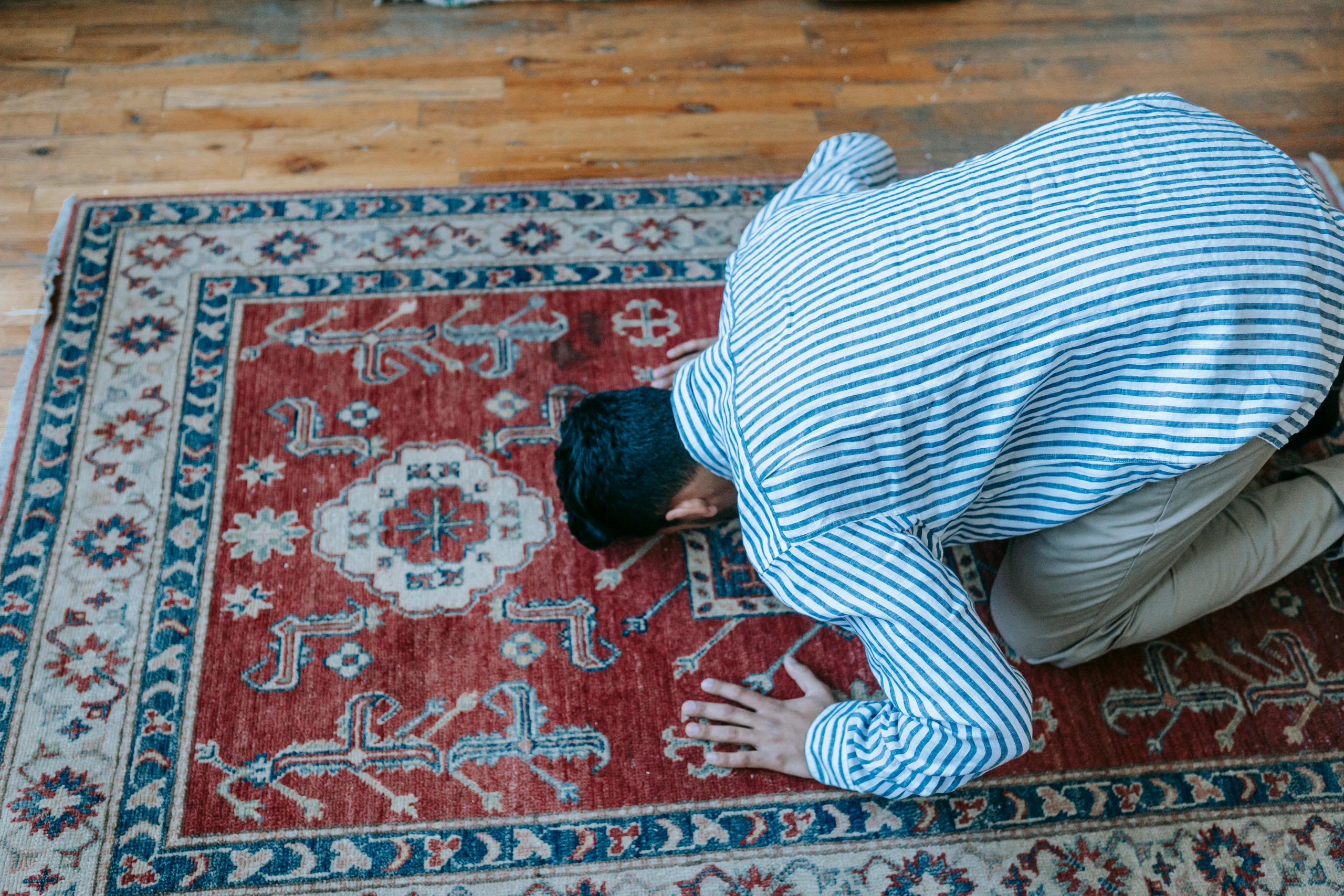
In Islam, the act of praying five times a day, known as Salah, is a fundamental practice that holds profound spiritual, psychological, and social benefits. This ritual is not only a means of worship but also a way to maintain a strong connection with Allah and cultivate a disciplined and balanced life. Understanding why Muslims pray five times a day and the benefits associated with it can provide insight into the importance of this practice.
Why Muslims Pray Five Times a Day
- Divine Command:
- The primary reason Muslims pray five times a day is that it is a direct command from Allah, as outlined in the Quran and Hadith. The obligation of Salah was established during the Prophet Muhammad’s (peace be upon him) night journey and ascension to heaven (Isra and Mi’raj). It is one of the Five Pillars of Islam, which form the foundation of a Muslim’s faith and practice.
- Spiritual Discipline:
- Regular prayer instills a sense of discipline and structure in a Muslim’s life. It serves as a constant reminder of their faith and the presence of Allah, helping to keep them grounded and focused on their spiritual journey.
- Gratitude and Remembrance:
- Salah is a way for Muslims to express their gratitude to Allah for His countless blessings and to remember His greatness and mercy. It reinforces the concept of humility and submission to the Creator.
The Benefits of Praying Five Times a Day
- Spiritual Benefits:
- Strengthening Faith: Regular prayer strengthens a Muslim’s faith and relationship with Allah. It provides an opportunity for introspection, repentance, and seeking guidance.
- Inner Peace: Engaging in prayer offers a sense of inner peace and tranquility. It allows Muslims to disconnect from the distractions of daily life and focus on their spiritual well-being.
- Psychological Benefits:
- Stress Relief: The act of praying has a calming effect on the mind and body. It helps in reducing stress and anxiety by creating a moment of calm and mindfulness.
- Emotional Stability: Salah encourages emotional stability by fostering a routine and providing a means to express and manage emotions through supplication and reflection.
- Physical Benefits:
- Exercise: The physical movements involved in Salah, such as standing, bowing, and prostrating, promote physical fitness and flexibility.
- Circulation: These movements also help improve blood circulation and can have positive effects on overall health.
- Social Benefits:
- Community Bonding: Praying in congregation, especially during the Friday prayer (Jumu’ah) and at the mosque, strengthens community bonds and fosters a sense of unity and brotherhood among Muslims.
- Equality: Salah reinforces the principle of equality, as all Muslims, regardless of their social status, stand shoulder to shoulder in prayer.
The Five Daily Prayers and Their Timing
- Fajr (Dawn Prayer):
- Performed before sunrise, Fajr marks the beginning of the day. It instills a sense of discipline and starts the day with a reminder of faith and purpose.
- Dhuhr (Midday Prayer):
- Performed after the sun passes its zenith, Dhuhr provides a break in the middle of the day to pause, reflect, and recharge spiritually.
- Asr (Afternoon Prayer):
- Performed in the late afternoon, Asr serves as a reminder of the continuous presence of Allah and helps maintain focus and patience during the latter part of the day.
- Maghrib (Sunset Prayer):
- Performed just after sunset, Maghrib marks the transition from day to night and allows Muslims to thank Allah for the blessings of the day.
- Isha (Night Prayer):
- Performed after twilight has disappeared, Isha is the final prayer of the day, providing a moment for reflection and seeking forgiveness before sleep.
Why Salah is Compulsory
- Obedience to Allah:
- Salah is a direct command from Allah, and fulfilling this obligation is a demonstration of obedience and submission to His will.
- Spiritual Purification:
- Regular prayer purifies the heart and soul, helping to cleanse sins and keep believers on the path of righteousness.
- Accountability:
- Muslims believe that they will be accountable for their deeds in the Hereafter. Observing Salah regularly is a way to ensure they are fulfilling one of their primary duties to Allah.
- Moral and Ethical Development:
- Salah reinforces moral and ethical behaviour by constantly reminding Muslims of their duties towards Allah and fellow human beings.
Conclusion
Praying five times a day is a central practice in Islam that goes beyond mere ritual. It is a comprehensive act of worship that brings numerous spiritual, psychological, physical, and social benefits. By adhering to this practice, Muslims maintain a close relationship with Allah, foster discipline and mindfulness, and contribute positively to their communities. The obligation of Salah is a testament to the holistic approach Islam takes towards the well-being of its followers, emphasising the importance of balancing spiritual devotion with daily life.