

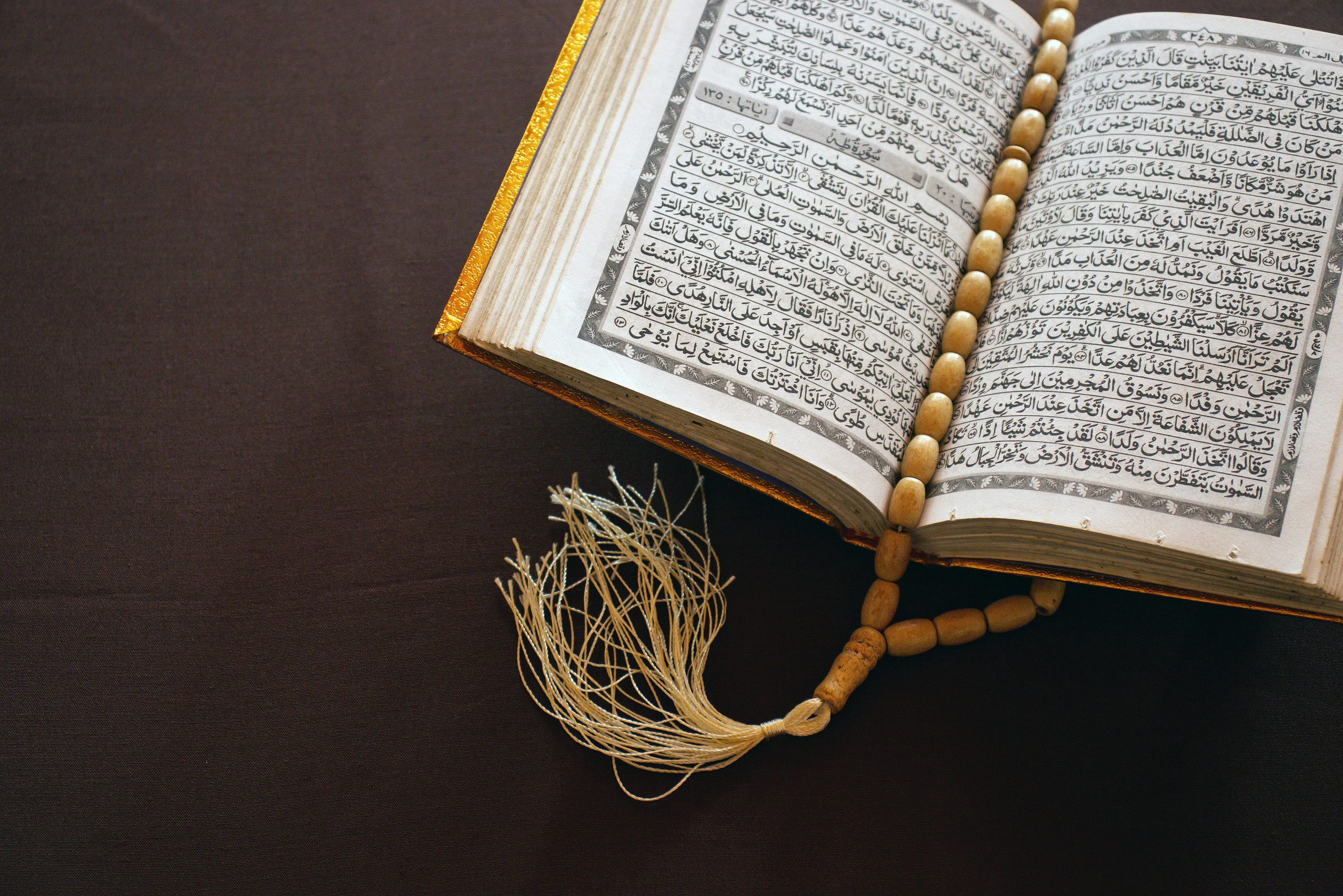
Exploring Surah Al-Mulk: A Reflection on the Majesty of Creation and the Hereafter
Surah Al-Mulk, the 67th chapter of the Qur’an, is a profound meditation on the glory of God, the Creator, and the ultimate destiny of humanity. Composed of 30 verses, this Surah invites believers and non-believers alike to reflect upon the universe and the divine wisdom embedded within its creation. In this blog, we will delve into the meanings of Surah Al-Mulk, its teachings, and its relevance to both Muslims and non-Muslims.
The Essence of Surah Al-Mulk
Surah Al-Mulk opens with a declaration of the sovereignty and the power of God, affirming His authority over life and death. It begins:
“Blessed is He in Whose hand is the dominion, and He is over all things competent— Who created death and life to test you [as to] which of you is best in deed…” (67:1-2)
These opening verses set the tone for a Surah that is rich with reflections on the natural world, the signs of God’s existence, and the consequences of one’s actions in the Hereafter.
A Reflection on Creation
One of the central themes of Surah Al-Mulk is the contemplation of creation as a sign of God’s existence and power. The Surah encourages the reader to look at the heavens and the earth, and to consider the intricate balance and beauty of the universe. It mentions:
“He who created the seven heavens in layers. You do not see any in the creation of the Most Merciful any inconsistency. So return your vision to the sky, do you see any breaks?” (67:3)
This verse highlights the complexity and harmony of the universe, inviting us to marvel at the celestial order and to recognize the wisdom behind its design. For both Muslims and non-Muslims, this can be a powerful prompt to reflect on the existence of a Creator who has meticulously crafted the cosmos.
The Test of Life
Surah Al-Mulk further delves into the concept of life as a test. It states that life and death are created to test human beings in their deeds. This notion underscores the transient nature of worldly existence and the enduring value of righteous actions:
“Who created death and life to test you [as to] which of you is best in deed…” (67:2)
This verse challenges believers to live with purpose, encouraging them to strive for goodness, justice, and integrity. For non-Muslims, it offers a profound reflection on the purpose of life, prompting questions about what truly matters in the journey of human existence.
Warnings and Reassurances
Surah Al-Mulk also addresses the consequences of disbelief and arrogance. It warns those who reject faith, highlighting the severe punishments awaiting them in the Hereafter:
“Indeed, those who disbelieve in the Hour – We have prepared for them a blaze.” (67:12)
Yet, it also provides reassurance to the believers, reminding them of God’s mercy and the eternal rewards awaiting the righteous. This balance of warning and hope is designed to encourage a life of faith and piety, fostering a sense of accountability and optimism among its readers.
Lessons for All
For Muslims, Surah Al-Mulk is a reminder to reflect on the signs of God in creation, to maintain faith in the face of trials, and to uphold righteousness in all aspects of life. For non-Muslims, it serves as an invitation to contemplate the grandeur of the universe and the possibility of a higher purpose beyond the material world. It encourages a dialogue on the existence of a Creator and the moral dimensions of human life.
Conclusion: A Call to Reflection
In essence, Surah Al-Mulk is a call to reflection, urging all of humanity to consider the signs of God’s creation, to ponder the purpose of life, and to prepare for the Hereafter. It bridges the spiritual and the existential, making it a timeless message that resonates with seekers of truth across different beliefs and backgrounds.
As we conclude, let us take a moment to reflect on our own lives and the world around us. May Surah Al-Mulk inspire us to live with mindfulness, to cherish the beauty of creation, and to seek a path of righteousness and truth.
Feel free to share your thoughts or questions about Surah Al-Mulk. What reflections or insights have you gathered from this Surah? Let’s explore together.